
Thudippu Dance Foundation
The foundation is committed to creating a nonjudgmental, inclusive space that nurtures creativity and encourages cultural exchange. Driven by a sense of social responsibility, Thudippu actively works to platform talented artists from marginalized communities and underrepresented art forms—those often left unsupported by mainstream art institutions.
What Thudippu Dance Foundation did here
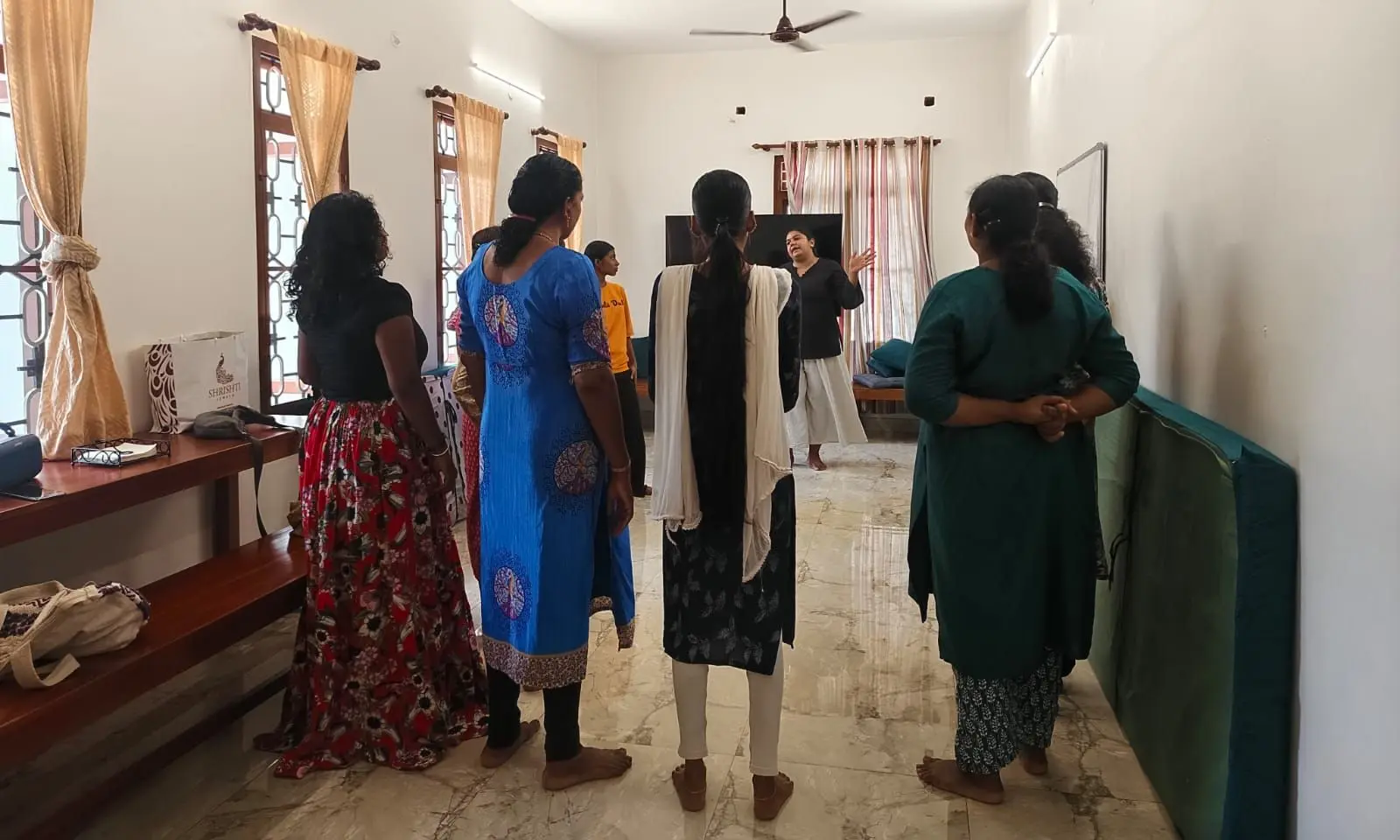
Exploring Self-Expression Through Movement, Music, and Art
The session began with a name-and-movement activity, where participants introduced themselves through simple movements. This helped create a comfortable and welcoming atmosphere, encouraging everyone to participate. The group then engaged in a mood-sharing activity, allowing participants to express how they were feeling at that moment. The next activity focused on movement exploration, providing participants with the freedom to explore different movements, connect with their bodies, and express themselves through movement. Participants then worked together to create music as a group. They explored sounds and rhythms, shared ideas, listened to one another, and presented their collective creation to the group. Following this, participants engaged in an individual art reflection, using art to express their thoughts, feelings, and experiences from the session. This offered them an opportunity for personal reflection and creative expression. The session concluded with a closing activity, bringing the shared experience to a meaningful end. Overall, participants responded positively and showed interest and engagement throughout the session. The combination of movement, music, and art offered different ways to communicate, explore feelings, express creativity, and connect with others in a supportive group environment.
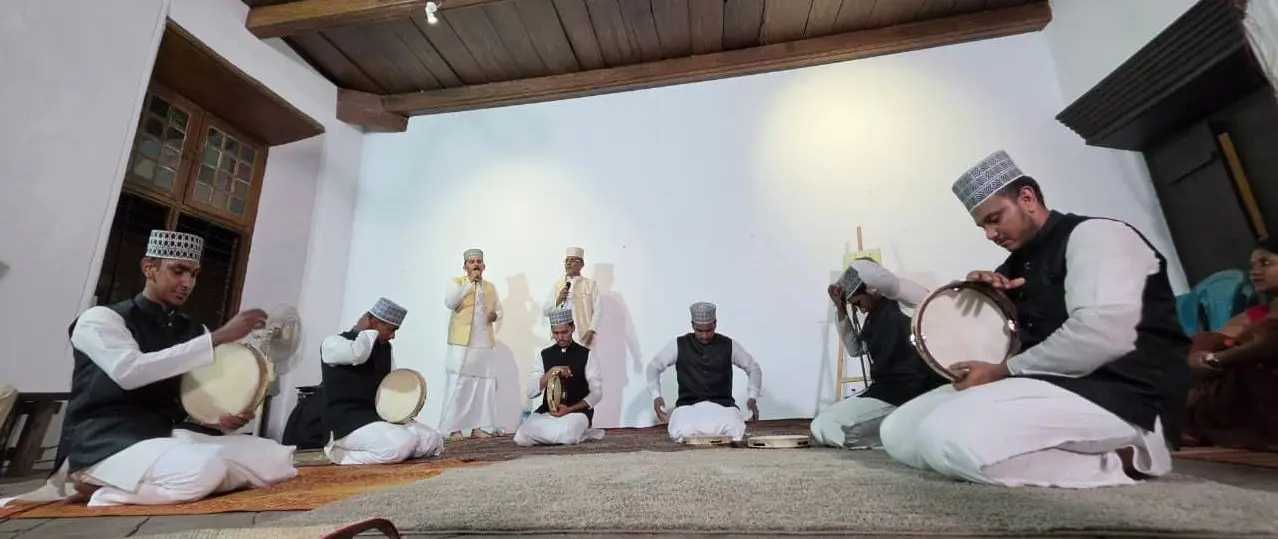
Friends of Thudippu – Fifth Edition: Discovering the Living Traditions of Daffmuttu and Arabanamuttu
The fifth edition of Friends of Thudippu featured a rhythmic powerful performance of Daffmuttu and Arabanamuttu by Koya Kappad and his team at Mattancherry. The event brought audiences closer to the rich folklore and cultural heritage of Kerala, creating an experience that went beyond a conventional performance. Koya Kappad, a seventh-generation practitioner from a family associated with these art forms, presented the traditions with remarkable energy and depth. The art forms were popularised in the Malabar region by the Allasammveetil family, a Yemeni family that arrived in the Kappad region of Kozhikode in the fifteenth century. The family has continued to pass these traditions down through generations, with the guru tradition inherited patrilineally. Koya Kappad represents the latest generation of this lineage. One of the most meaningful aspects of the programme was the way Koya Kappad shared the history and context of the art forms alongside the performance. He introduced the audience to the rhythms and talam used in the traditions, demonstrated how they worked, and encouraged audience members to try them together. This interactive approach transformed the event into an engaging learning experience, allowing the audience to understand and participate in the art forms rather than simply watch them. The performance created a strong impression on the audience, many of whom were experiencing these art forms for the first time. The audience response was enthusiastic, and the programme highlighted how live performance, storytelling, and interaction can help people connect with cultural traditions that may otherwise remain unfamiliar to them. Organising this edition involved several months of research into Kerala's folklore traditions, identifying the art form and artist, coordinating the venue and performance requirements, preparing promotional materials, and reaching out to potential audiences. The team also managed event-day arrangements, artist hospitality, documentation, and technical coordination. The event also brought important organisational learnings, particularly around sound and lighting. Despite challenges with the microphone, sound support, and the lighting provided at the venue, the team worked to ensure that the programme could continue. These experiences helped us recognise the importance of confirming technical requirements in advance and choosing venues with reliable basic sound and lighting facilities. Friends of Thudippu was created to provide a platform for Kerala's rich art forms and the communities and practitioners who sustain them. This edition reaffirmed our belief that preserving cultural heritage requires more than documentation; it also requires creating opportunities for artists to perform, share their knowledge, and connect with new audiences. We see this as an important responsibility towards sustaining the living cultural heritage of our state.
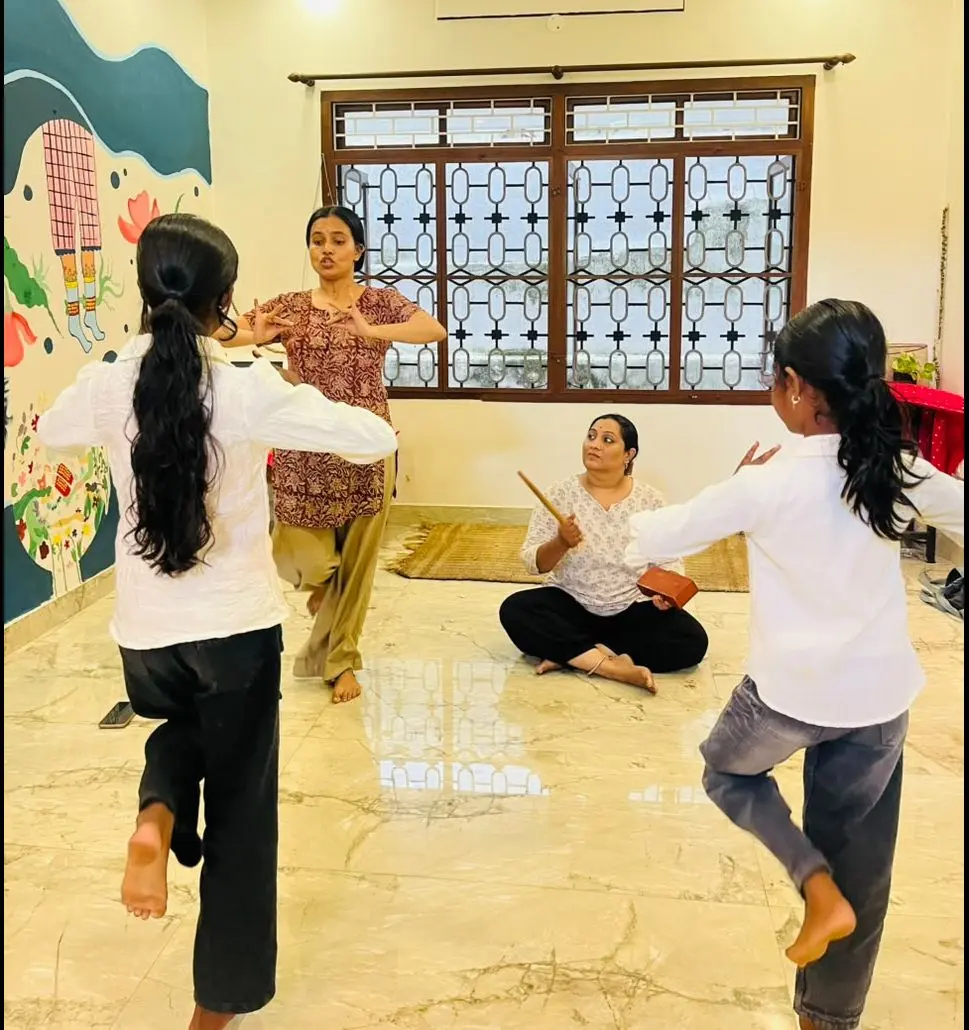
Experiencing Rhythm Beyond Sound
We began a new batch for Deaf and hard-of-hearing children. This initiative has been in preparation for the past few months, shaped by our years of experience as dancers and teachers in the field of Indian dance. We believe that Bharatanatyam and Mohiniyattam can offer meaningful opportunities for those children to explore rhythm, movement, coordination and expression when taught through accessible methods. Two teachers facilitated the session. While one of us demonstrated the steps, the other gently guided the child's hand to clap along with the rhythm. We were delighted to see how well she understood the rhythm, recognised the gaps between beats, and responded to changes in speed. Gradually, she began copying the movements and soon started performing the steps independently. By the end of the session, she had learnt five Nattadavu sequences, the basic movement units of Bharatanatyam. Throughout the session, we focused on visual demonstrations, clear movement cues, repetition, patience, individual attention and encouragement, allowing the child to learn at her own pace. This was our first session with the children. One child attended the class, and three more children have registered for the upcoming sessions. This beginning has strengthened our belief that, with appropriate teaching methods and support, classical dance can become an accessible and enriching space for Deaf and hard-of-hearing children to explore movement, rhythm and self-expression.
Show all 66 sessions
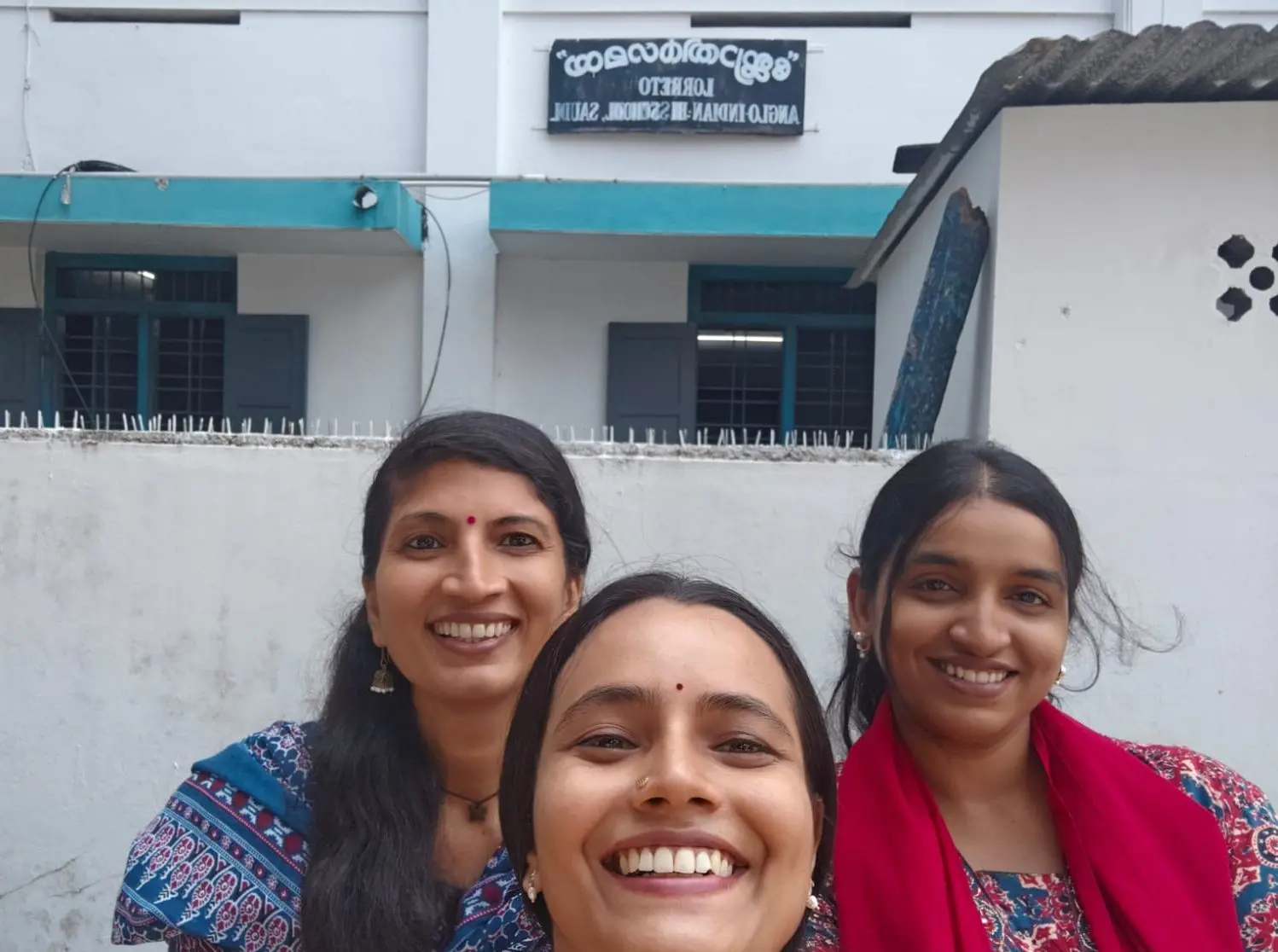
Opening Doors: Our First School Outreach Together
Our recent team meetings highlighted a shared challenge: reaching children and young people who could benefit from the programmes at aikyam. We agreed to combine our networks and prepare a shared introduction to the offerings. Putting this into action, we prepared a shared brochure introducing the programmes available at aikyam. Each team contributed programme descriptions, which were brought together in a brochure for the visits. We then made our first school visits together as the aikyam, Olimalar and Thudippu team, visiting two schools suggested by Shabana, drawing on her knowledge of the local community. We spoke with headteacher about opportunities for children to participate. One school already knew Olimalar through LifSkool. At the other, youth festival preparations opened a conversation about possible dance support from Thudippu. We collected their contact numbers and shared printed and digital copies of the brochure. When we returned to aikyam, we discussed the visits and how we could reach more children. Alongside welcoming families to aikyam, we explored finding spaces in schools and communities and training facilitators to run activities closer to where children live.
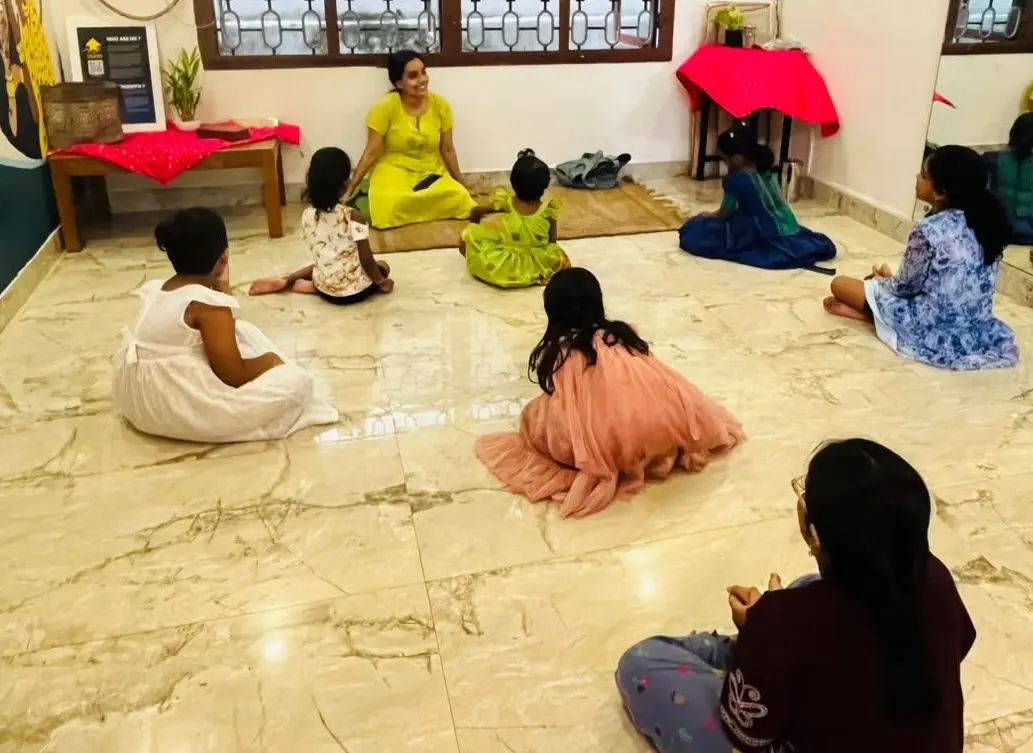
From Play to Learning: Creating Space for Children to Grow
The children arrived for Sunday’s dance class in a playful mood, so we began by giving them some time to play before moving into the structured session. They participated enthusiastically in the muscle-strengthening exercises before we started practicing Adavus. The children remained engaged throughout the practice and made consistent efforts to understand and perform the movements. Learning Adavus requires repeated practice, coordination, concentration, and patience. As children gradually become familiar with the movements, they learn to coordinate different parts of their bodies and develop greater awareness of their own movements.
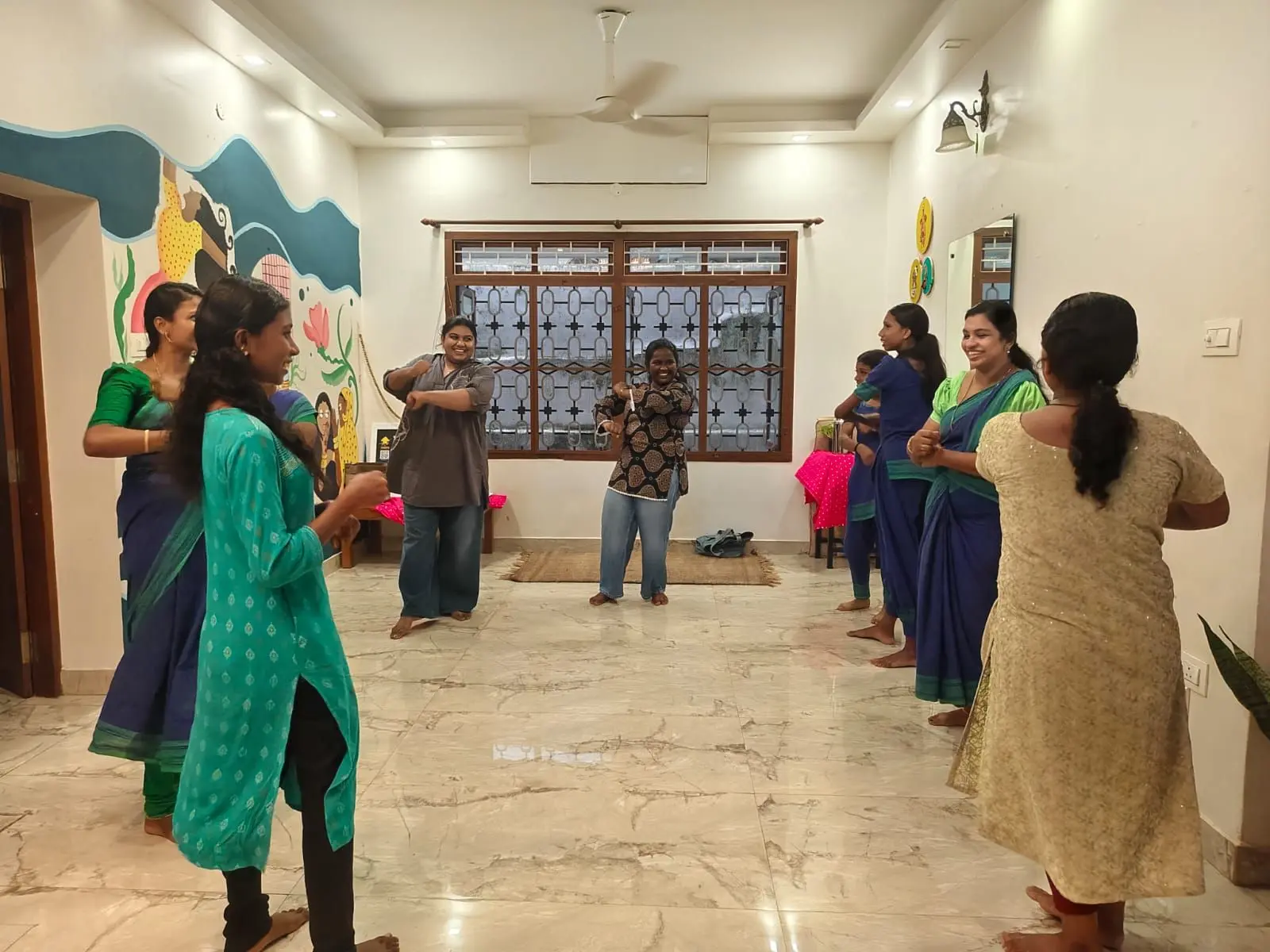
Finding Connection through movement
Today’s session at was a very different and meaningful experience for me. There were seven participants, and Anjali and Aparna, who are also dance facilitators at Thudippu, joined the session as well. The overall energy of the group was quite active and engaging. At the same time, I noticed that a few participants needed a little more attention and support during the session. I tried to create a space where everyone could participate in their own way, without putting too much pressure on anyone. As the session progressed, I could notice different emotions and experiences slowly coming up through movement. Some participants were more expressive, while some needed more time to connect with the process. I tried to stay present with the group and respond to what was happening in the moment. Since this was our first session, I consciously did not go deeper into the emotional layers that were emerging. Instead, I stayed more on the surface and focused on helping everyone feel comfortable, engaged, and connected with the movement and with each other. Even at that peripheral level, I could sense that there were many different emotions and personal experiences present in the group. It was interesting for me to observe how movement can bring these things out without directly asking people to talk about them. Overall, the session gave me a lot to observe and reflect on as a facilitator. It was a new experience for me to work with this particular group and in this setting, and I feel that today's session has given me a better understanding of the participants and what they may need in the sessions ahead.
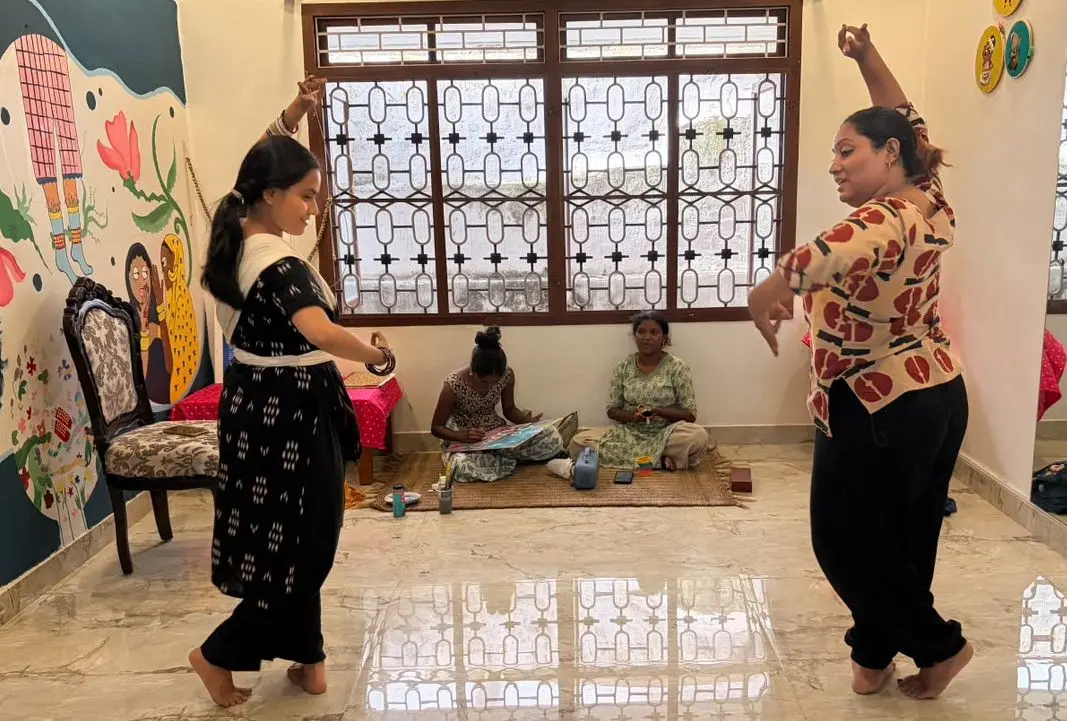
Preparing Together for Our Next Sessions
Today was a day of practising, refreshing and preparing ourselves for the sessions ahead. As we prepare for our upcoming sessions with children, we are taking time to rethink how traditional art forms can be introduced in a way that feels engaging, accessible, and enjoyable for them. We are currently drafting and refining the syllabus, revisiting the way the art forms are structured and taught. Along the way, we are exploring new activities, exercises, teaching methods, and ways of presenting movements and concepts so that children can learn through curiosity, play, creativity, and participation. The process is not just about putting together a syllabus. It is about asking ourselves how we can create a learning experience where children can understand the art form, connect with it in their own way, and gradually build confidence through movement and expression. We are trying out new approaches, making changes, and learning from the process as we build a syllabus that works for our students and their pace of learning.
Building Rhythm and Coordination Through Revision
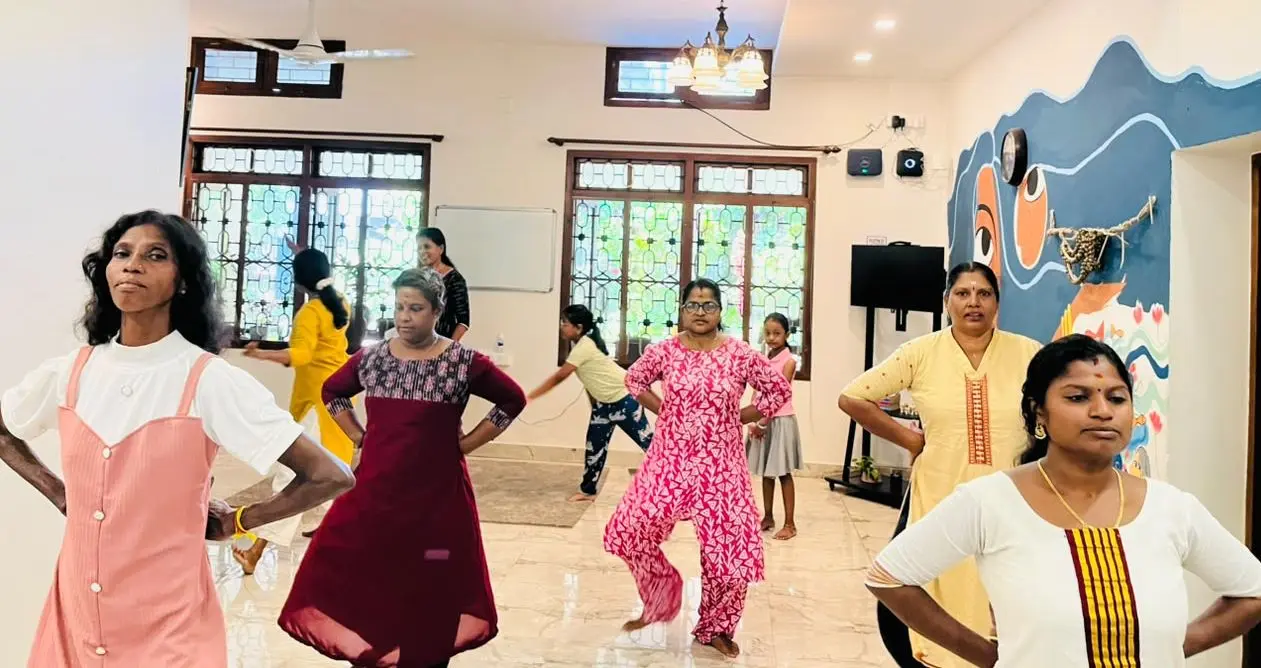
On Sunday, most students were absent, so I used the class to revise Adavus and Mudras and introduced basic Chollu and Thalam. This helped me realise the importance of adapting my teaching to the students’ needs and giving them enough time to develop rhythm and coordination. I learned that even a small class can be a valuable opportunity to observe and support each student.
Breaking Down Nattadavu: Building Coordination Step by Step
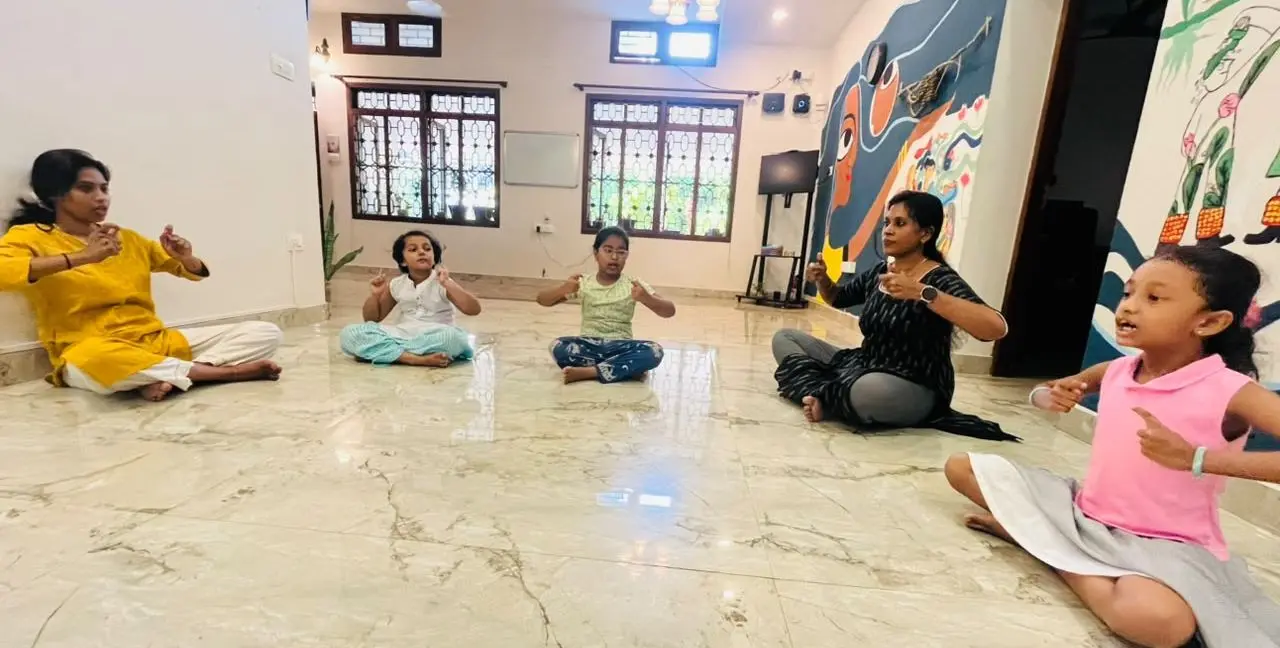
I taught the students Nattadavu, but they found the adavu difficult to understand. Therefore, I first taught them the leg movements separately. After they became familiar with the steps, I introduced the hand movements. I noticed that they had difficulty coordinating both movements at the second and third speeds. Therefore, I focused more on the leg movements to help them understand the adavu clearly. This taught me that breaking down difficult movements into simple parts helps children learn more effectively.
Community programme leads shared progress and worked through challenges together
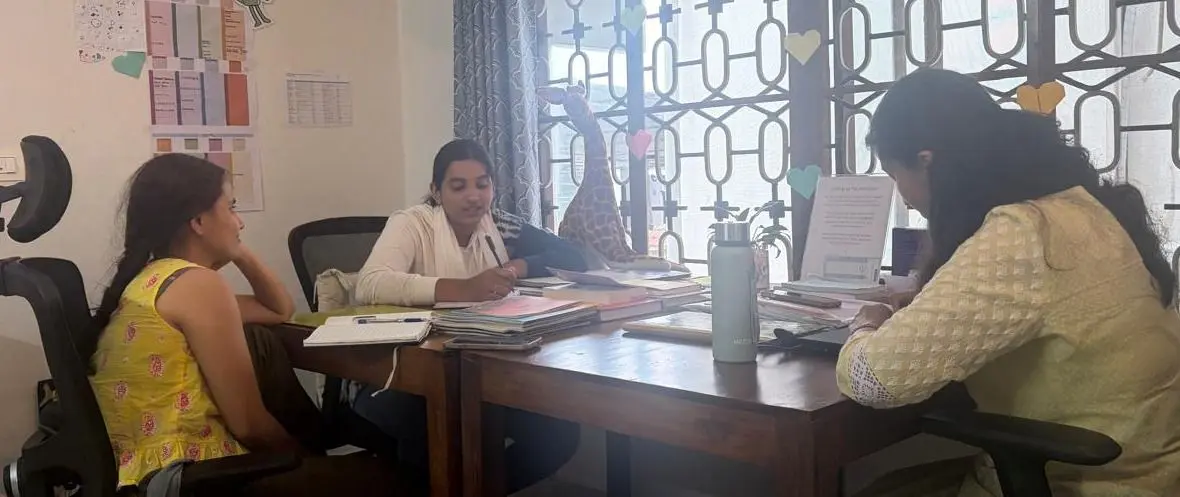
Shabana, who leads the Stitching Club, met with Anjali of Thudippu Dance Foundation and Aarthi of Olimalar Foundation for their weekly check-in at aikyam space. They shared updates on their work so far, spoke about the challenges they faced, helped one another think through possible solutions, and reflected on what they had learned over the past week.
Senior faculty's session on Kuthithu Mettu Adavu
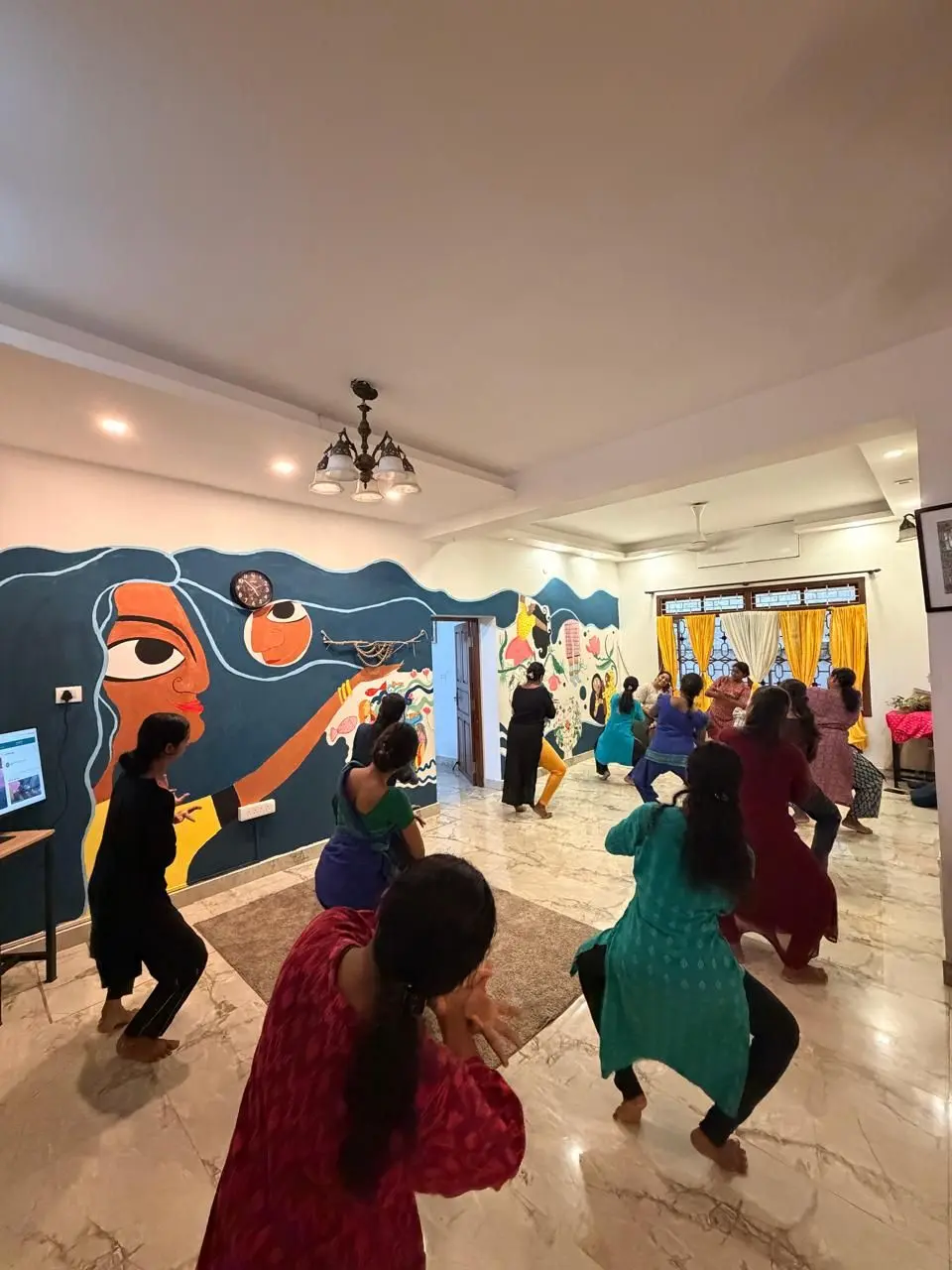
Saturday’s class turned into something really special, quite unexpectedly. We had been wanting our senior faculty, Ponnu Sanjeev, to take a session with the students for a while, and this time it just happened naturally. It wasn’t planned, but the students really enjoyed having a different teacher and a different way of learning. They worked on Kuthithu Mettu Adavu, focusing not only on getting the steps right but also on understanding what happens within the body while doing them. Ponnu introduced them to new techniques and helped them work on balance, control and core strength through the adavu itself. It was lovely to see the students listen, try, make mistakes, try again, and slowly find their balance. More than just learning a new adavu, the session gave them a chance to experience the movement differently. Sometimes, the best classes are the ones that happen without much planning a little change in the room, a new perspective, and a lot of learning.
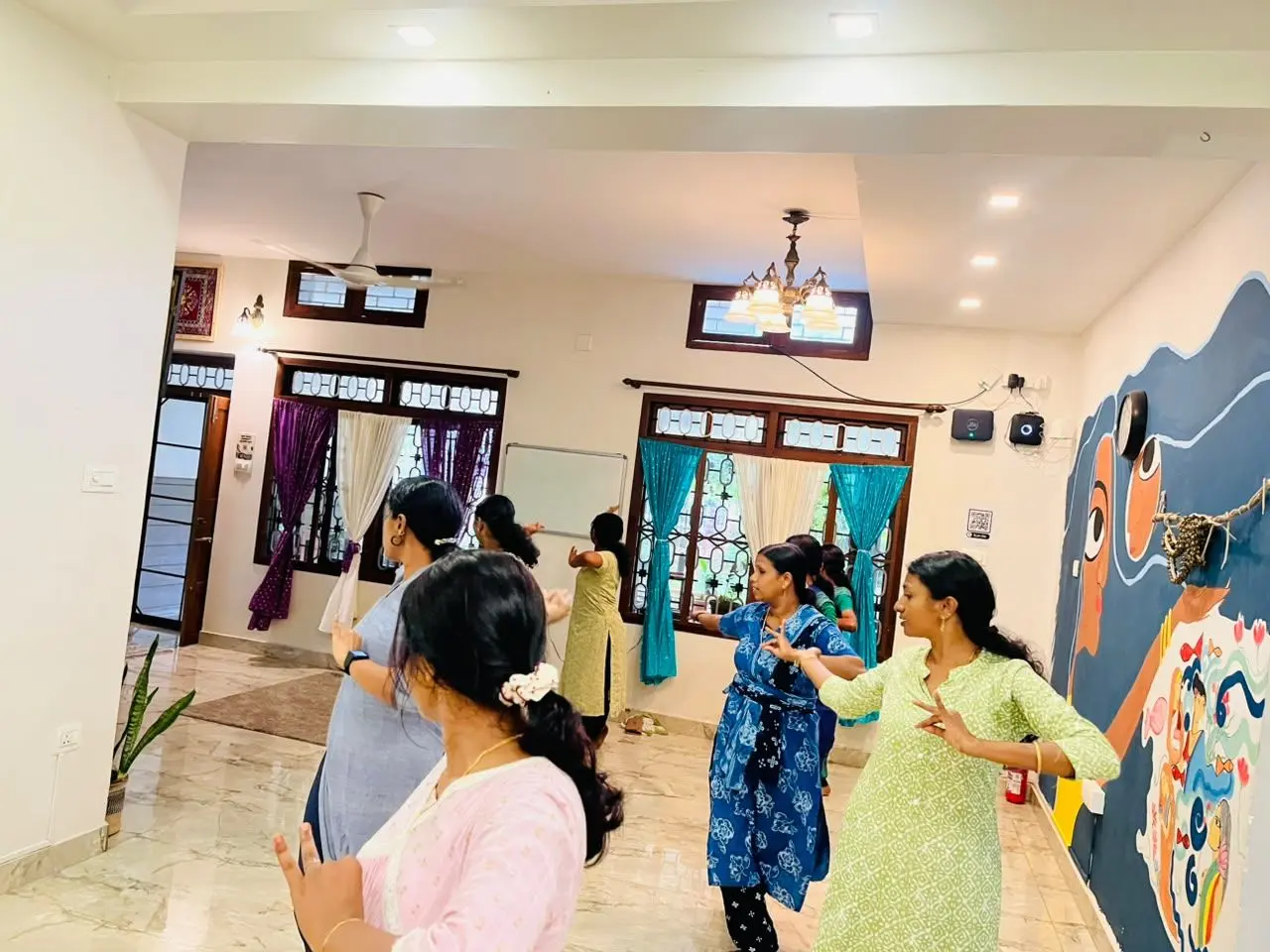
Applying spatial awareness to Bharatanatyam
On Sunday, the class focused on directions and spatial awareness, an important part of learning dance. While practising the "Tha Thai Thai Tha" adavu, the third set of steps in Bharatanatyam, the students faced an interesting challenge. When I demonstrated the movements facing them, many students naturally tried to mirror my actions. However, in this exercise, they often needed to move in the opposite direction. This caused some confusion, and there were a few mix-ups with right and left turns. Instead of seeing these mistakes as a problem, we used them as a learning opportunity. We discussed what was happening, tried different approaches, and practised repeatedly. Sometimes I turned around and demonstrated the movements with my back facing the students, while at other times they consciously tried the opposite side to understand the directions better. Slowly, the students began to figure it out. By the end of the session, they were moving with much more confidence and awareness. The class showed that learning dance is not just about memorising steps it is also about understanding space, directions, and learning through trial and error.
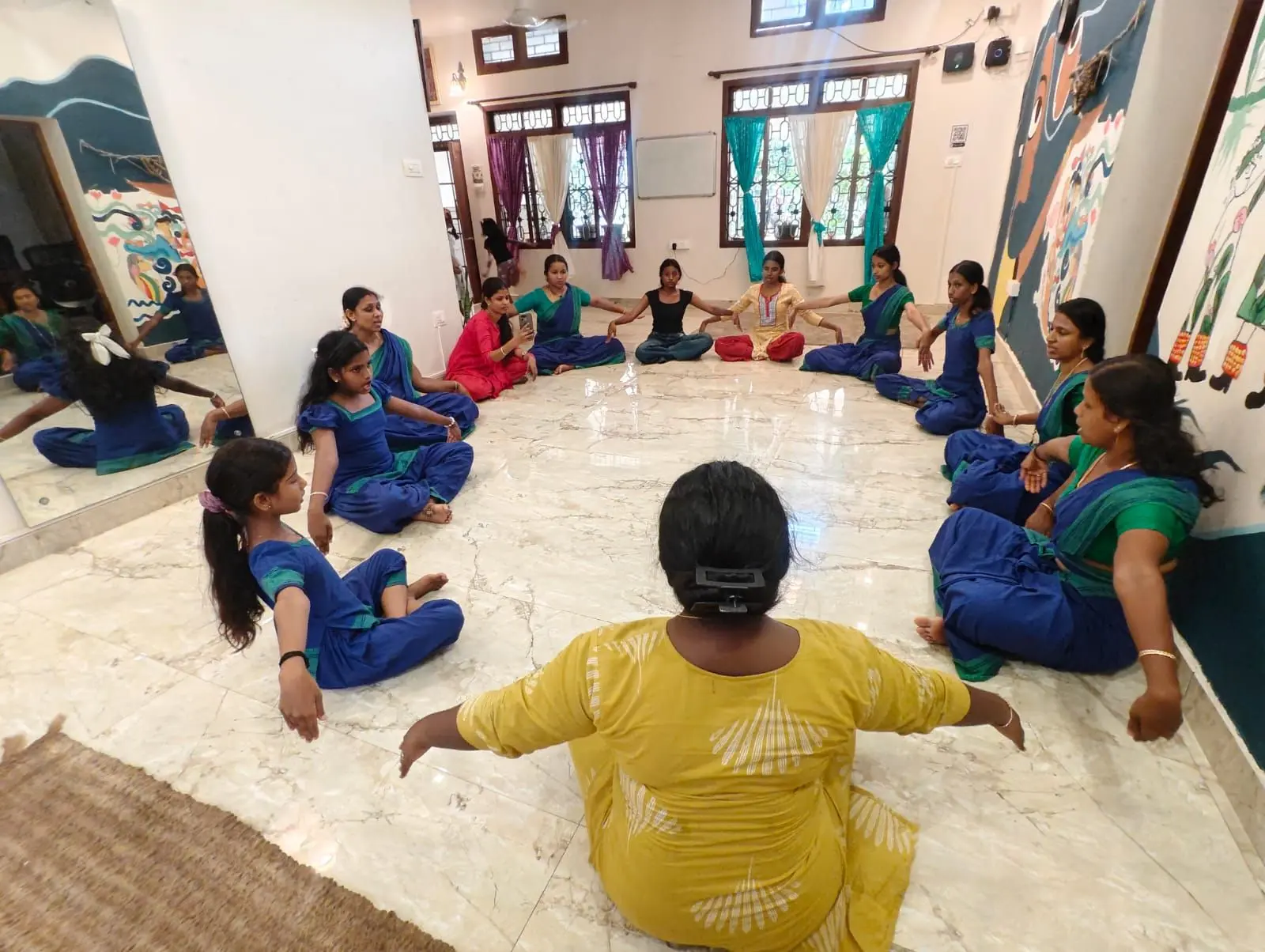
Aparna's introduction of Mudras and Sanskrit
On this Saturday (12.09.2026), Aparna focused on the fundamentals. She taught the students Thattadavu and Nattadavu, while also explaining why these basic steps are so important in building a strong foundation in dance. After working through the adavus, it was time for the students to explore the Mudras. While the movements themselves were interesting for the students, remembering and pronouncing the Sanskrit names proved to be a little difficult. Some students hesitated, especially when the unfamiliar words did not come easily. But Aparna had a simple solution: repetition. She kept encouraging them with the same words, again and again “Guys, repeat, repeat and repeat. You will remember.” Rather than expecting them to get everything right immediately, she gave them the space to practise, make mistakes and try again. she know's that Slowly, the unfamiliar Sanskrit words began to sound more familiar, and the students became more confident in remembering and pronouncing them. It was a small challenge, but it became an important learning moment. The session showed how patience, repetition and encouragement can make even something that initially feels difficult much easier to learn.
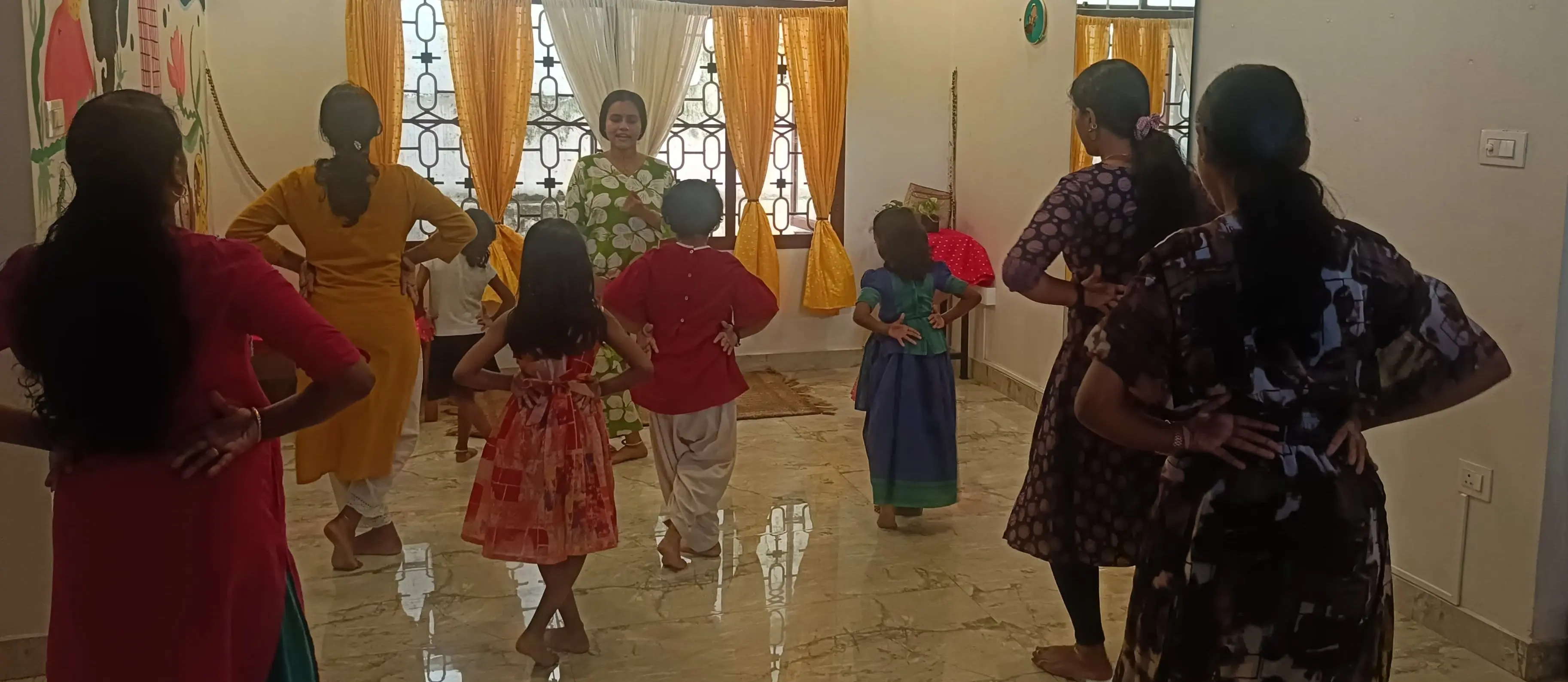
Dance students move into adavu and mudra practice
The community dance classes are moving into a more technical stage, with students practising adavus and mudras. These are some of the more demanding parts of Bharatanatyam and Mohiniyattam, so the sessions are focusing on posture, hand movements, coordination and getting the basics right through repeated practice.
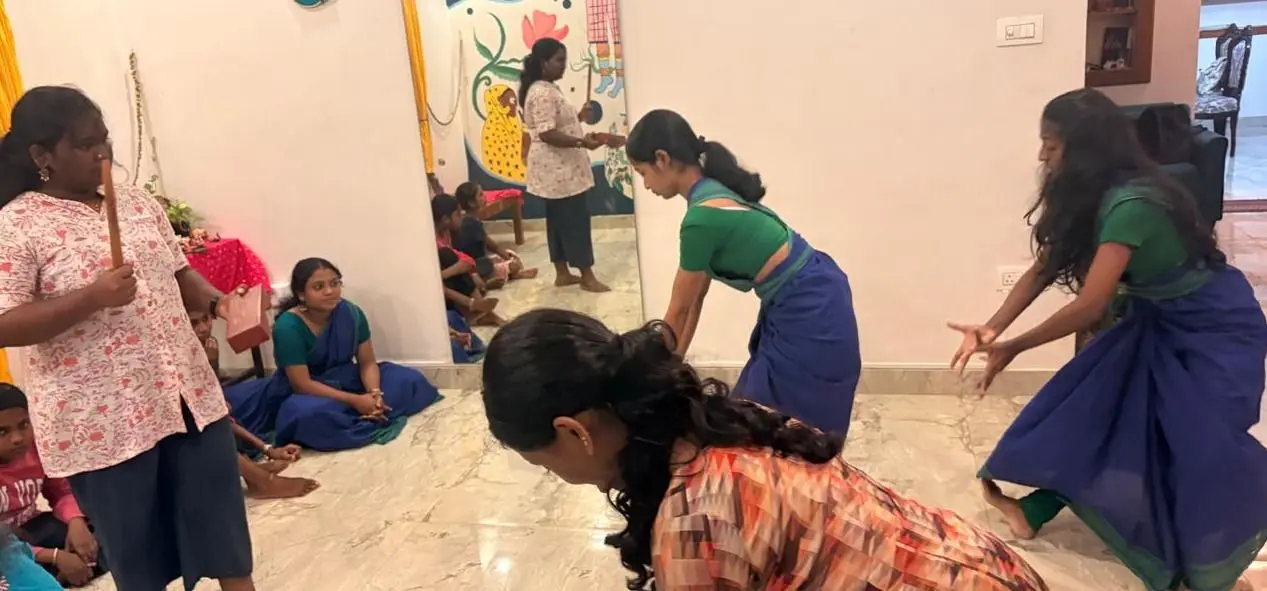
Community dance classes move into abhinaya practice
The Thudippu team ran the community dance classes, splitting them into children’s and adults’ sessions. Aparna now teaches both groups more technical dance, including abhinaya, expression and communicating emotions through movement.
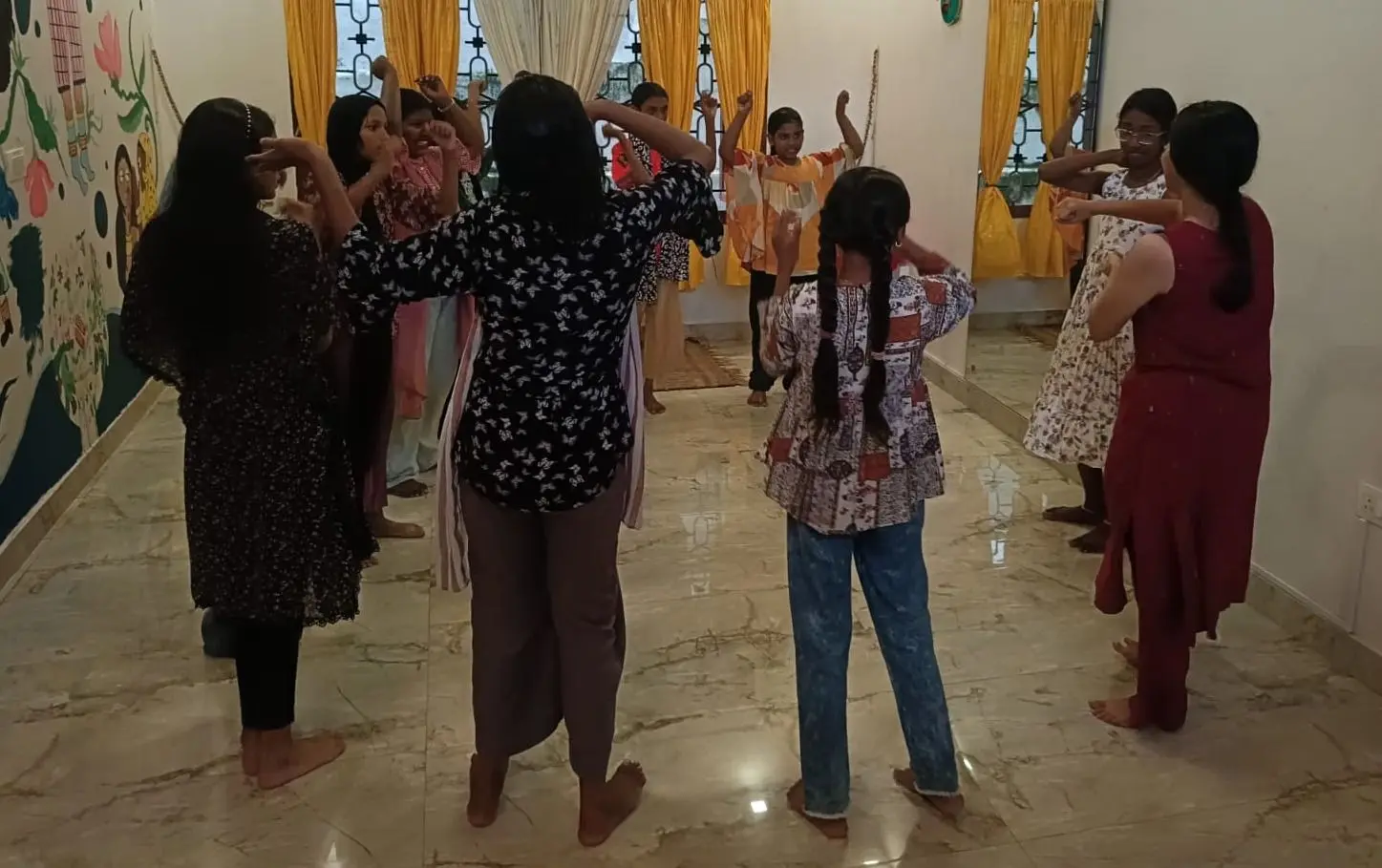
Community students practice for an upcoming program
Community students came together for dance practice ahead of an upcoming program at aikyam space. The sessions also created more time for the group to learn together, support one another, and build stronger connections through regular practice.
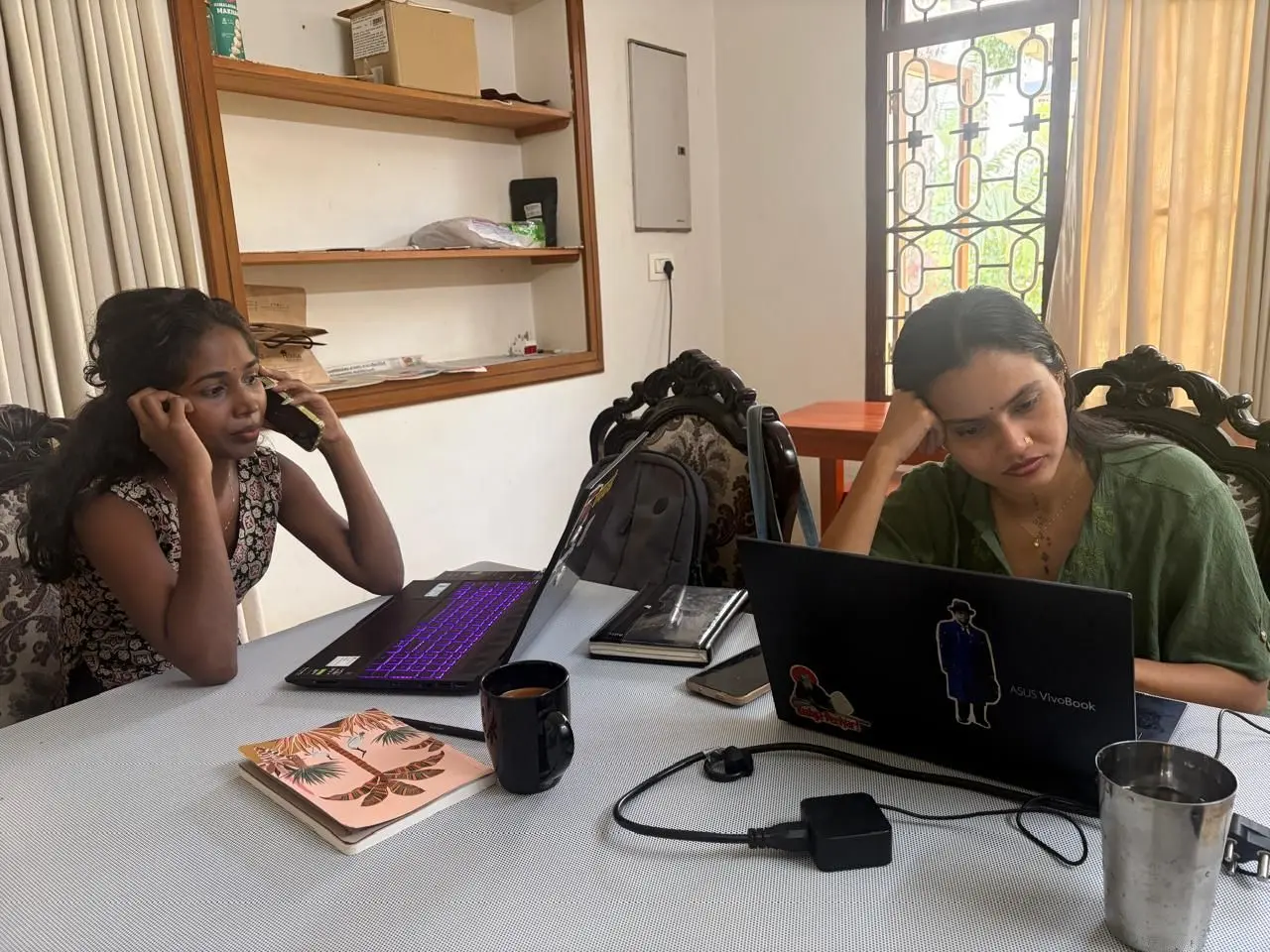
Thudippu team meets to plan community activities
The Thudippu Dance Foundation team held an internal meeting at aikyam space to discuss their ongoing work with the community. We focused on planning upcoming activities and coordinating how we can continue supporting the community through dance and related programmes.
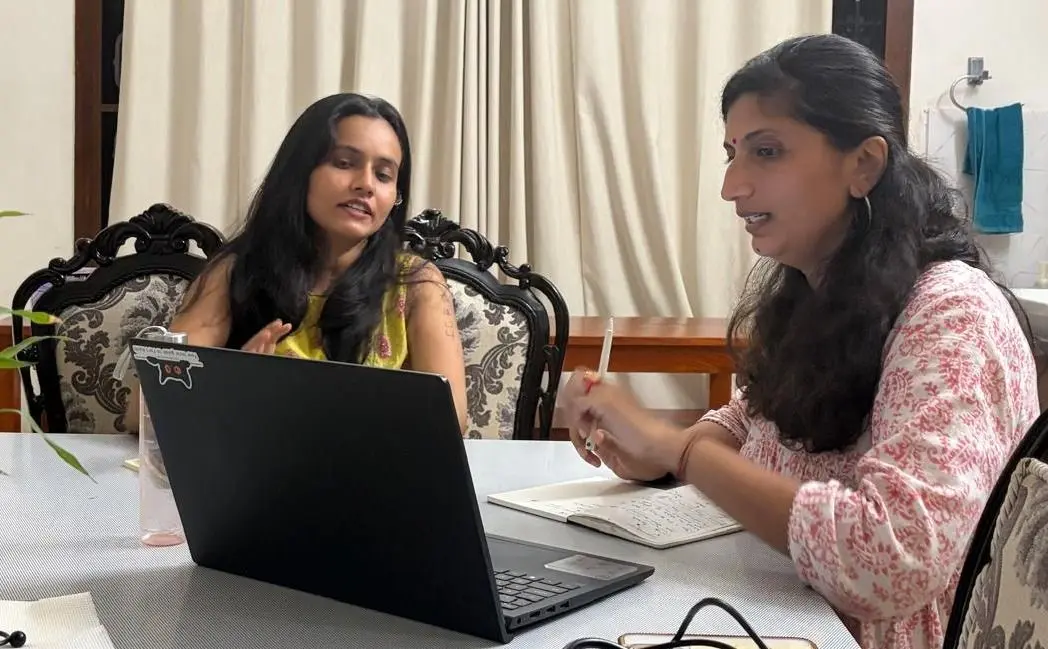
Olimalar and Thudippu discuss how to support children better
Aarthi from Olimalar Foundation and Anjali Krishnadas from Thudippu Dance Foundation met at aikyam space to discuss how we could work together to help the children from the community. We talked about understanding the children better and finding ways to support their learning, confidence, creativity, and participation through future activities.
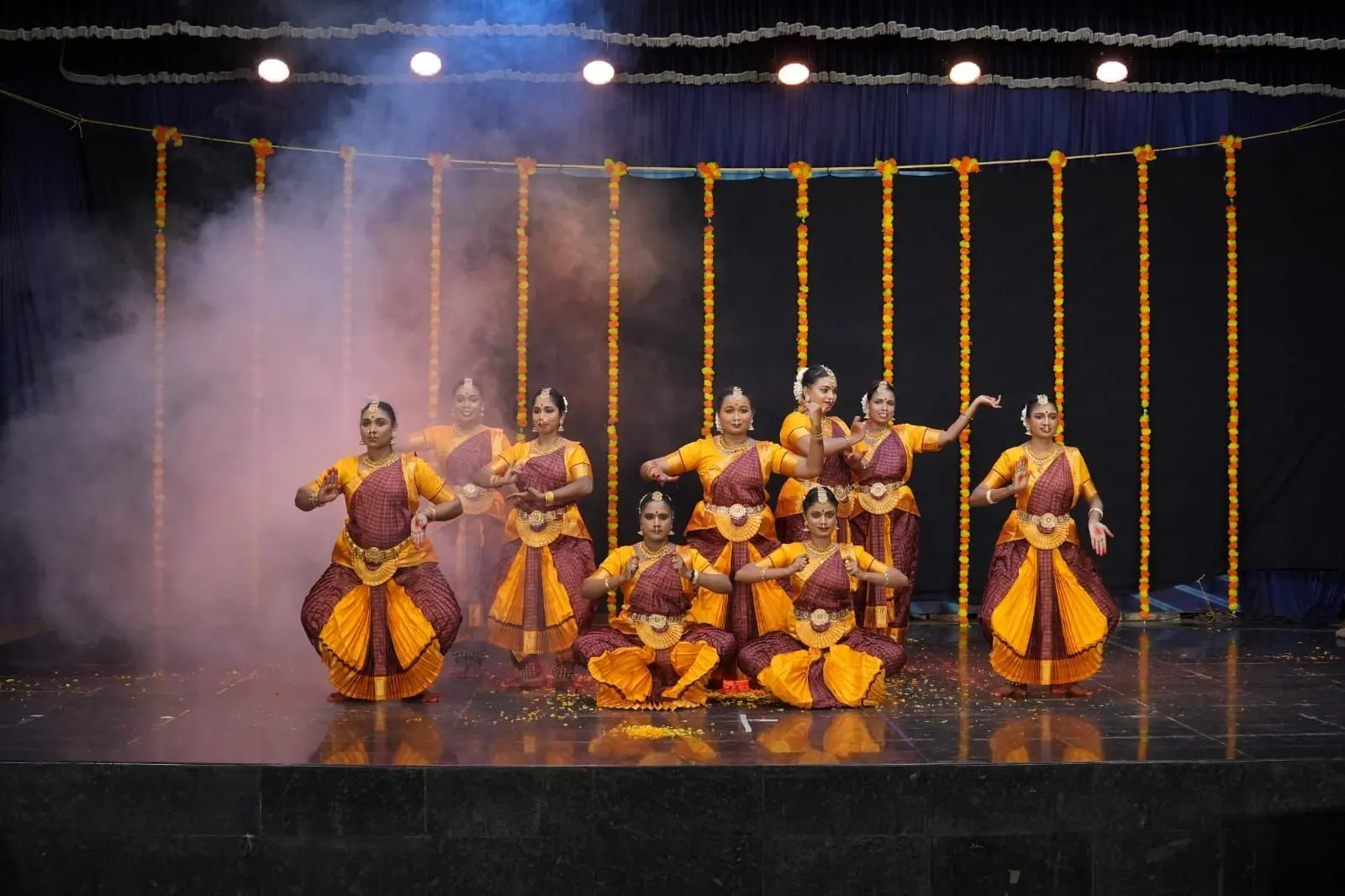
The dance group met after their first stage performance
After our first stage performance, we gathered at aikyam space to share our experiences and feedback. The discussion gave everyone an opportunity to celebrate what went well, reflect on areas for improvement, and learn from the experience together as we prepare for future performances.
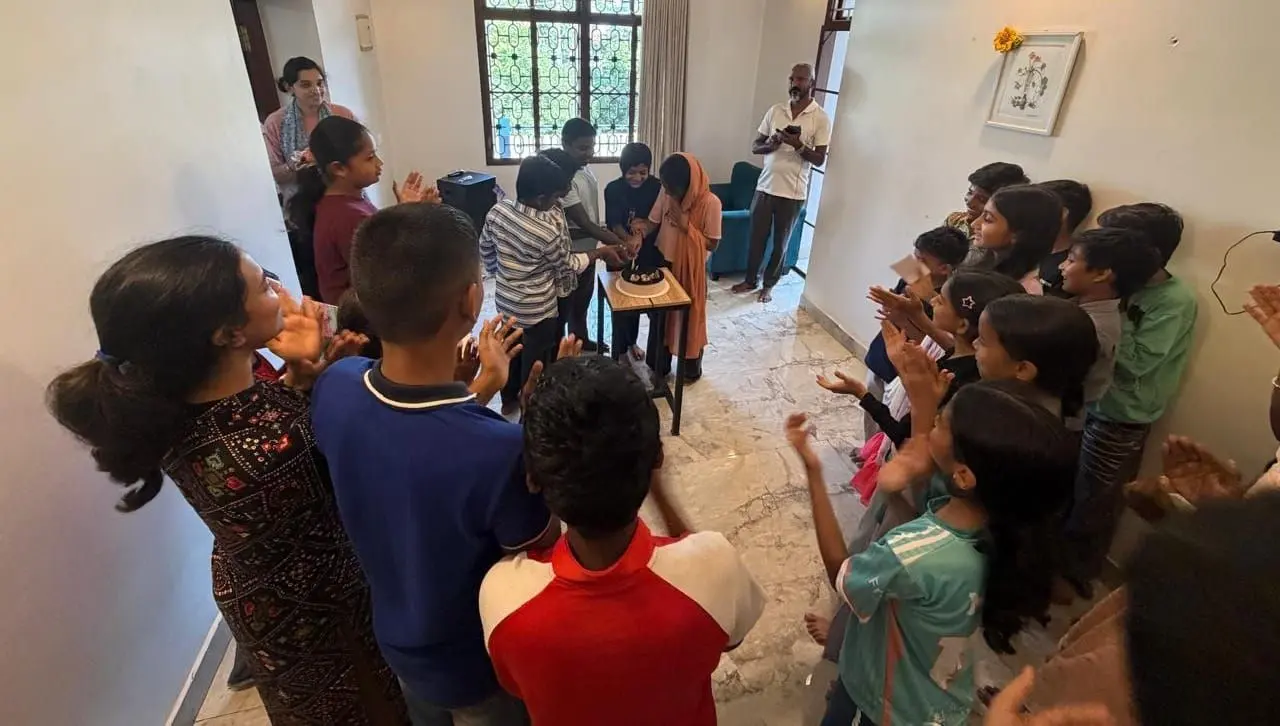
The monthly birthday celebration brought the community together
Our monthly birthday celebration brought the community together to celebrate members born this month. It was a joyful gathering that strengthened friendships and created shared memories.
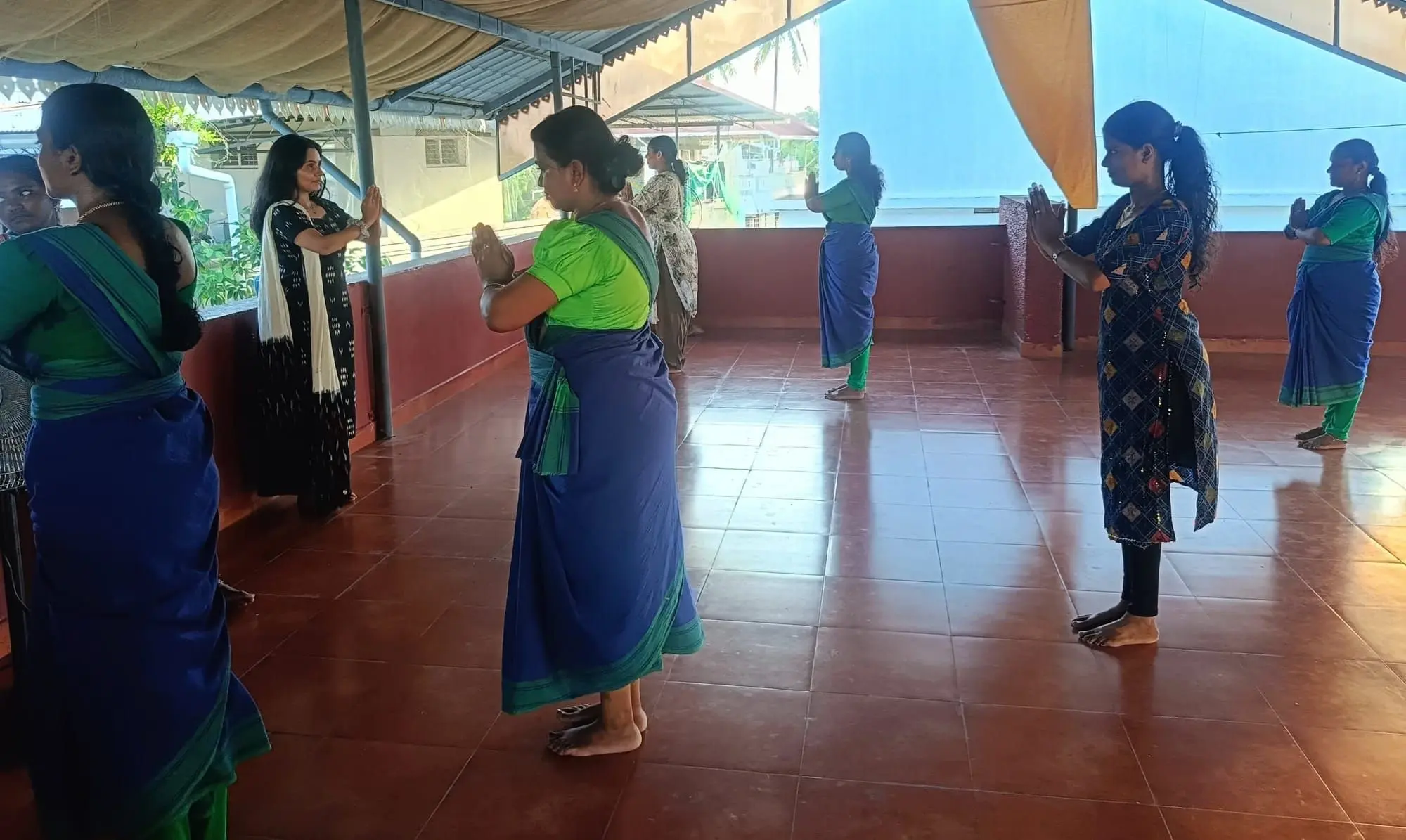
Dance class carried on with regular practice
The community dance class continued with regular practice as participants prepared together and strengthened their confidence through every session.
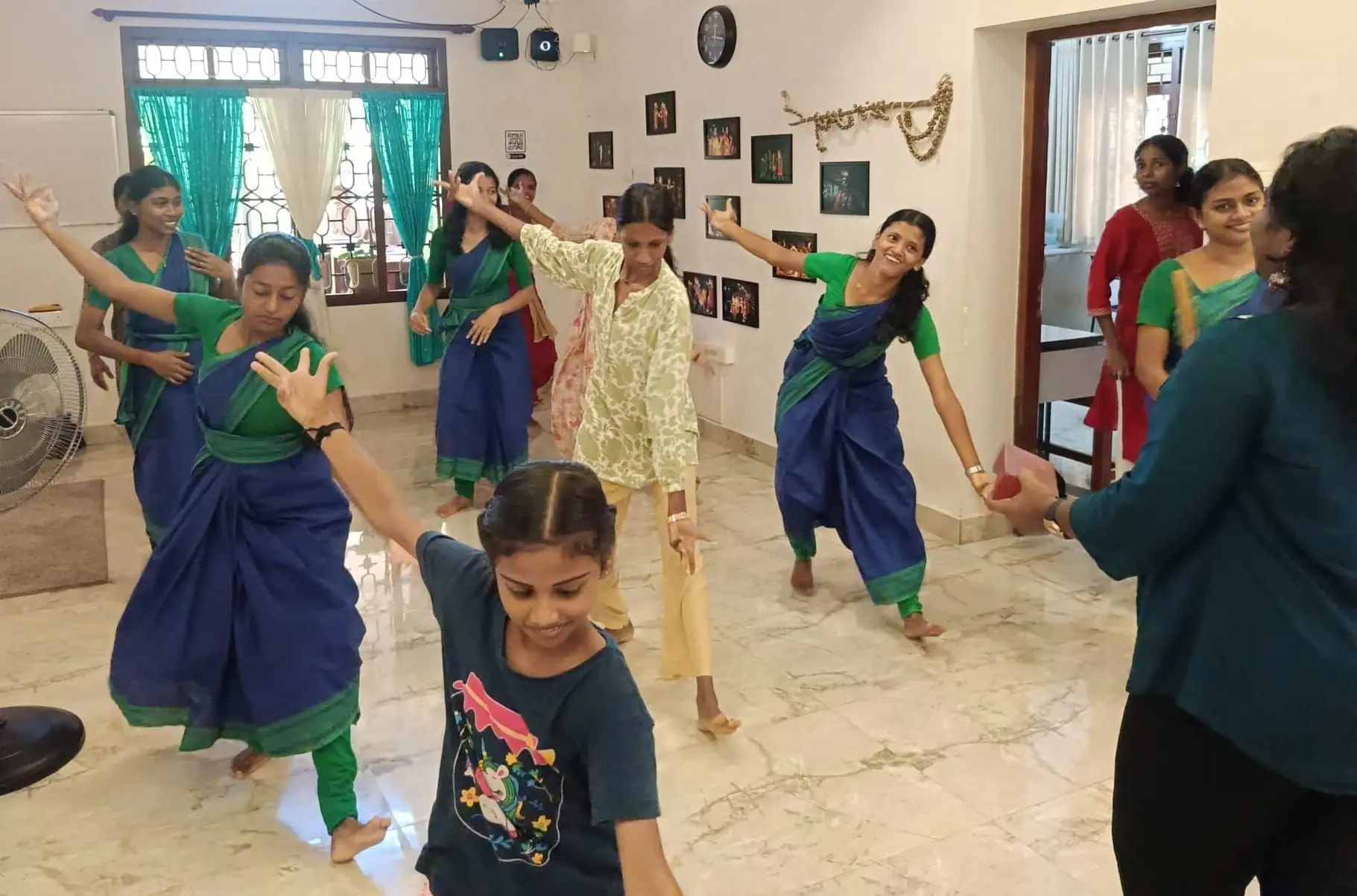
Rehearsals began for a performance in August
Community members practised with dedication for their upcoming performance in August. We improved our confidence, coordination, and stage presence through regular rehearsals while preparing together for this important event.
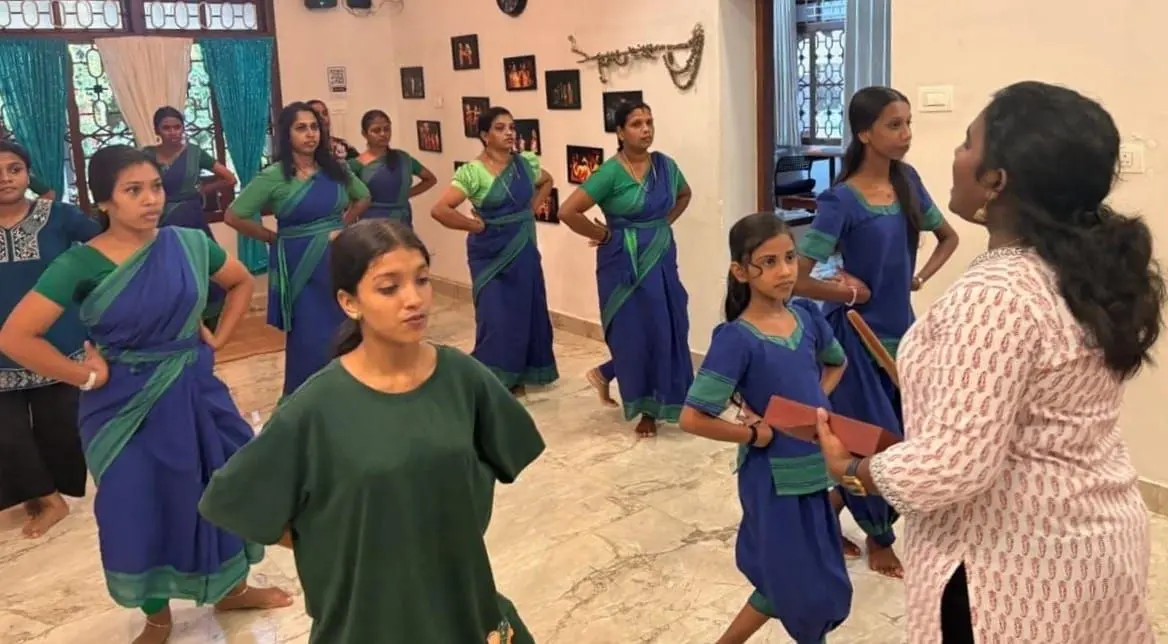
Thudippu students practised for their first stage show
Thudippu Dance Foundation spent the day practicing with students for their first official stage performance. We focused on improving coordination, confidence, and stage readiness. It was exciting to see the students preparing together for this important milestone.
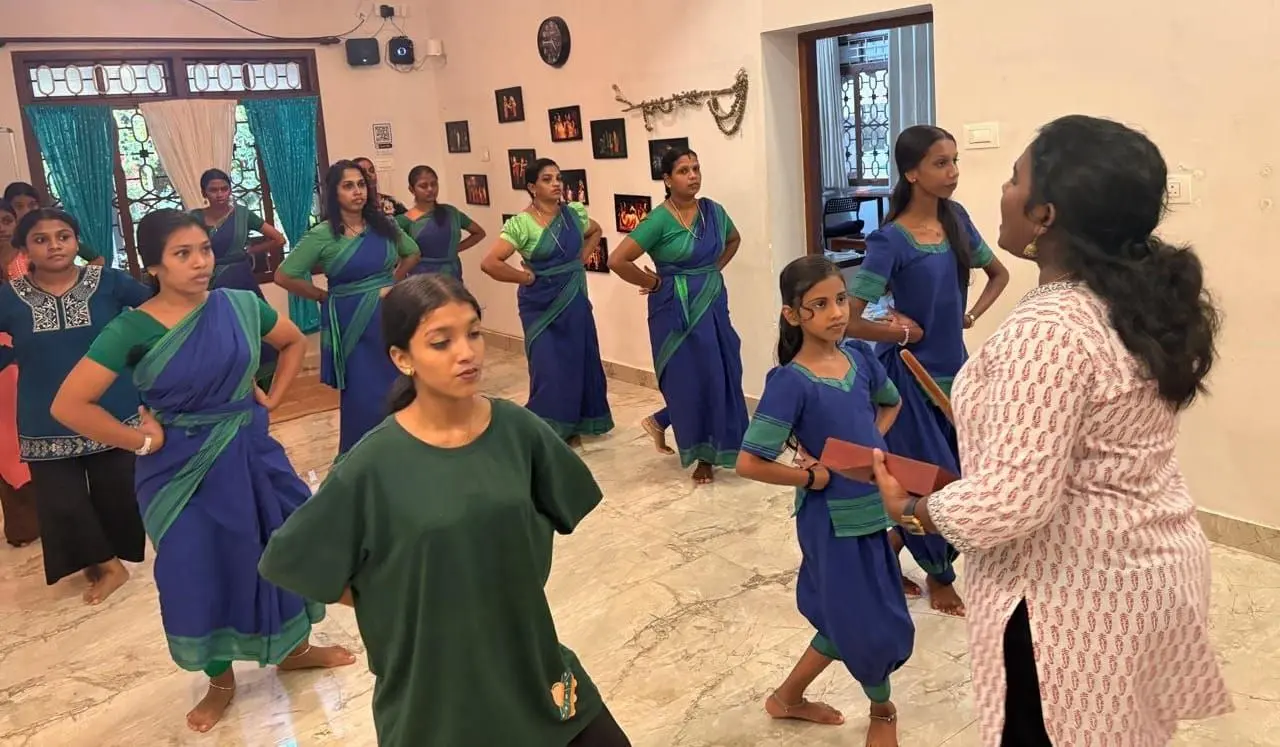
The community dance class practised together again
The community dance class continued. Participants practised together and built confidence through regular learning and teamwork.
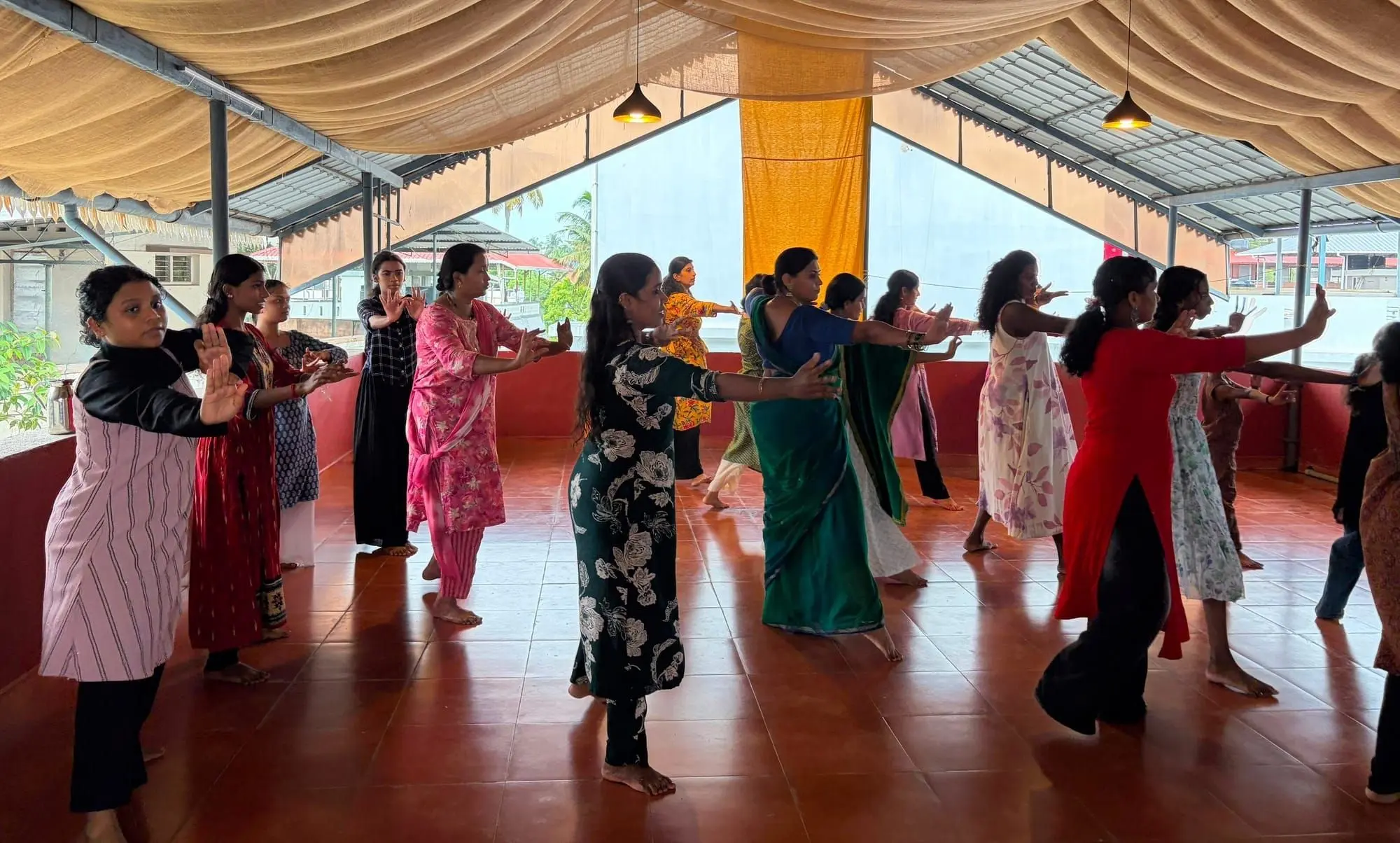
Students grew steadier with every dance practice
Students continued their regular dance practice, improving their confidence, coordination, and expressions with each session.
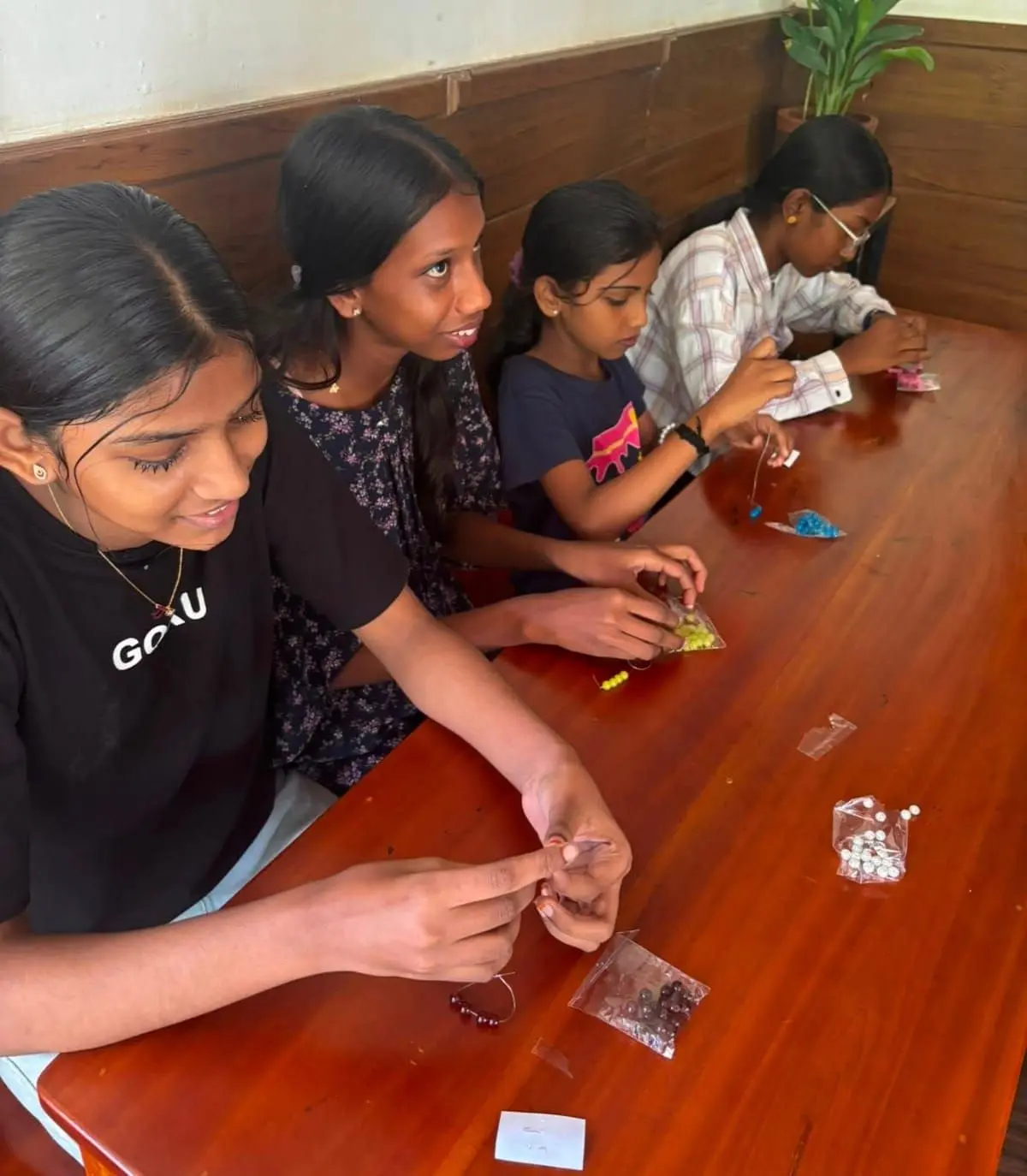
Another craft session for the children
The children had another craft session. They explored their creativity while learning through hands-on activities.
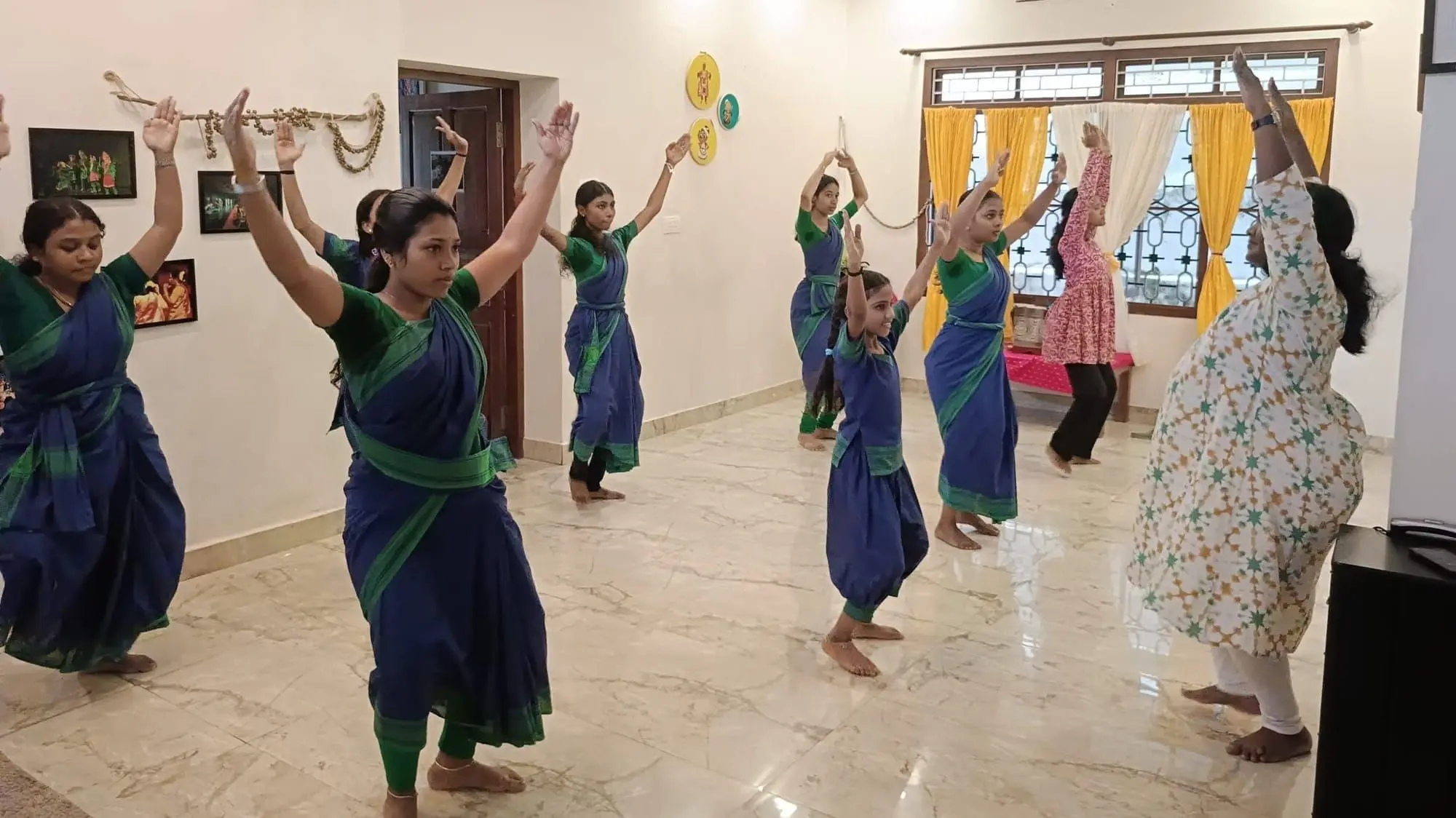
The community dance class met to practise together
The community dance class brought participants together to practice, learn, and build confidence through dance.
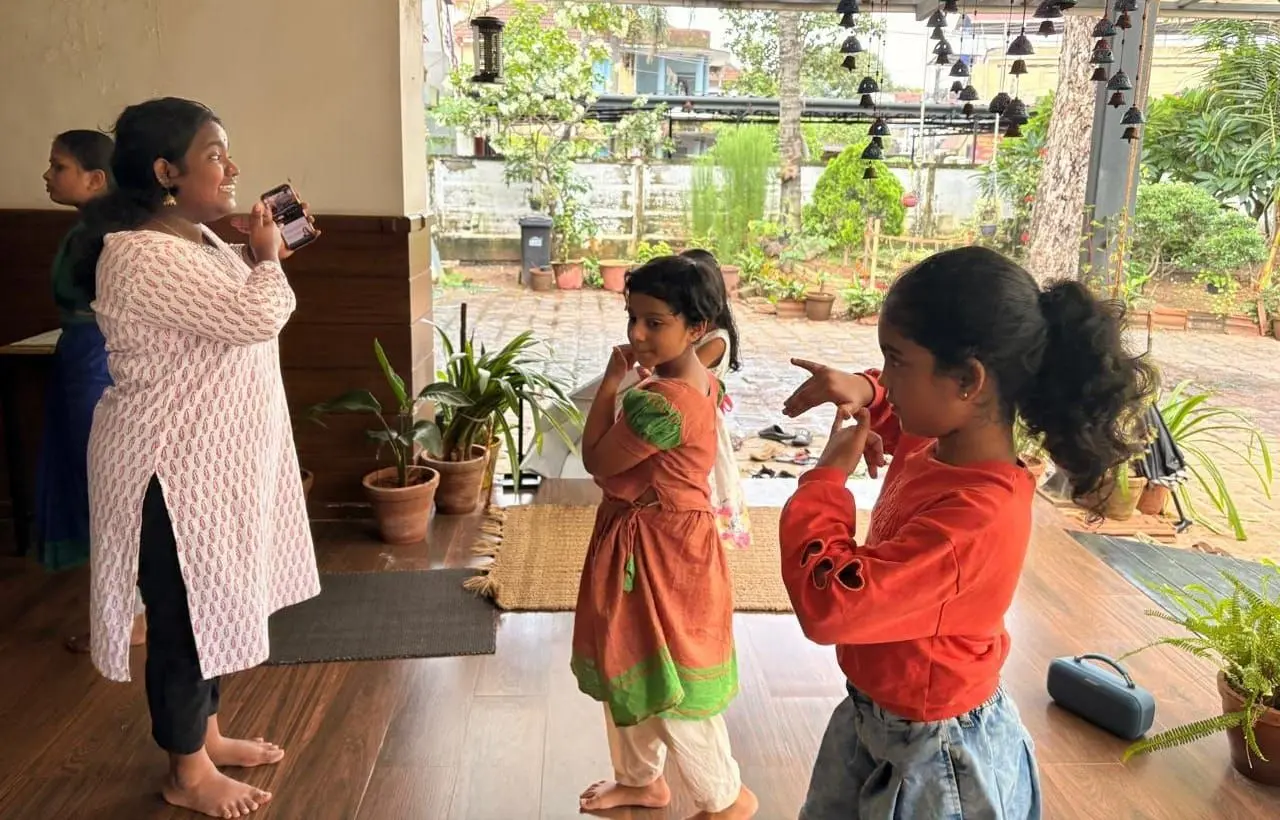
Thudippu ran a semi-classical dance workshop for all levels
Thudippu ran a semi-classical dance workshop. People of all experience levels attended. We made space for them to explore movement, music and self-expression while learning together.
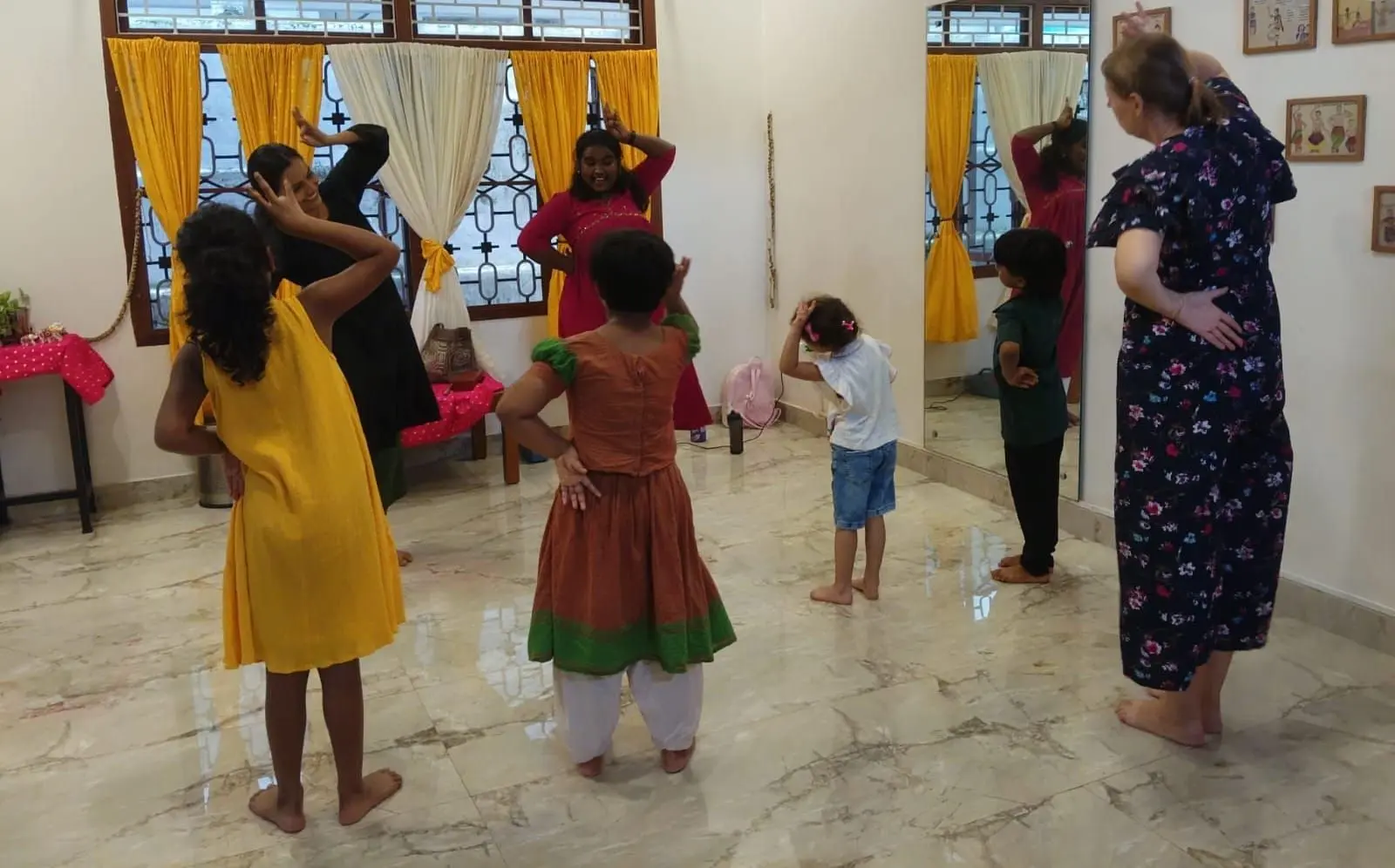
The kids' dance class worked on new steps
The regular kids’ dance class continued on Tuesday, 14 November 2023. Students practised new steps, expressions, and coordination. Regular practice helped them become more confident while learning in a fun and encouraging environment.
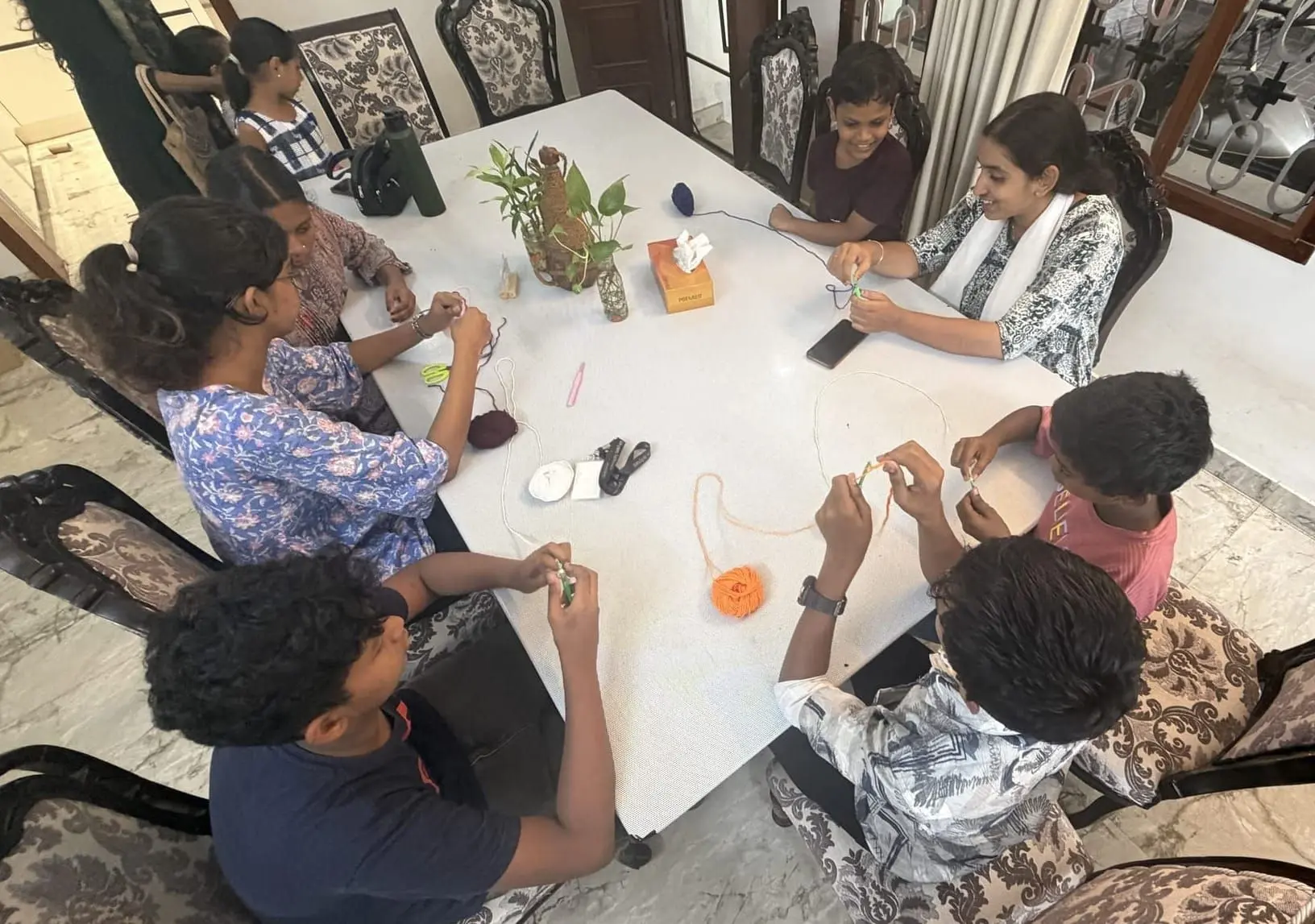
A craft session for children ran again
On 14 March 2024, we ran a craft session for children. The children made things with their hands. It encouraged creativity, patience, and learning.
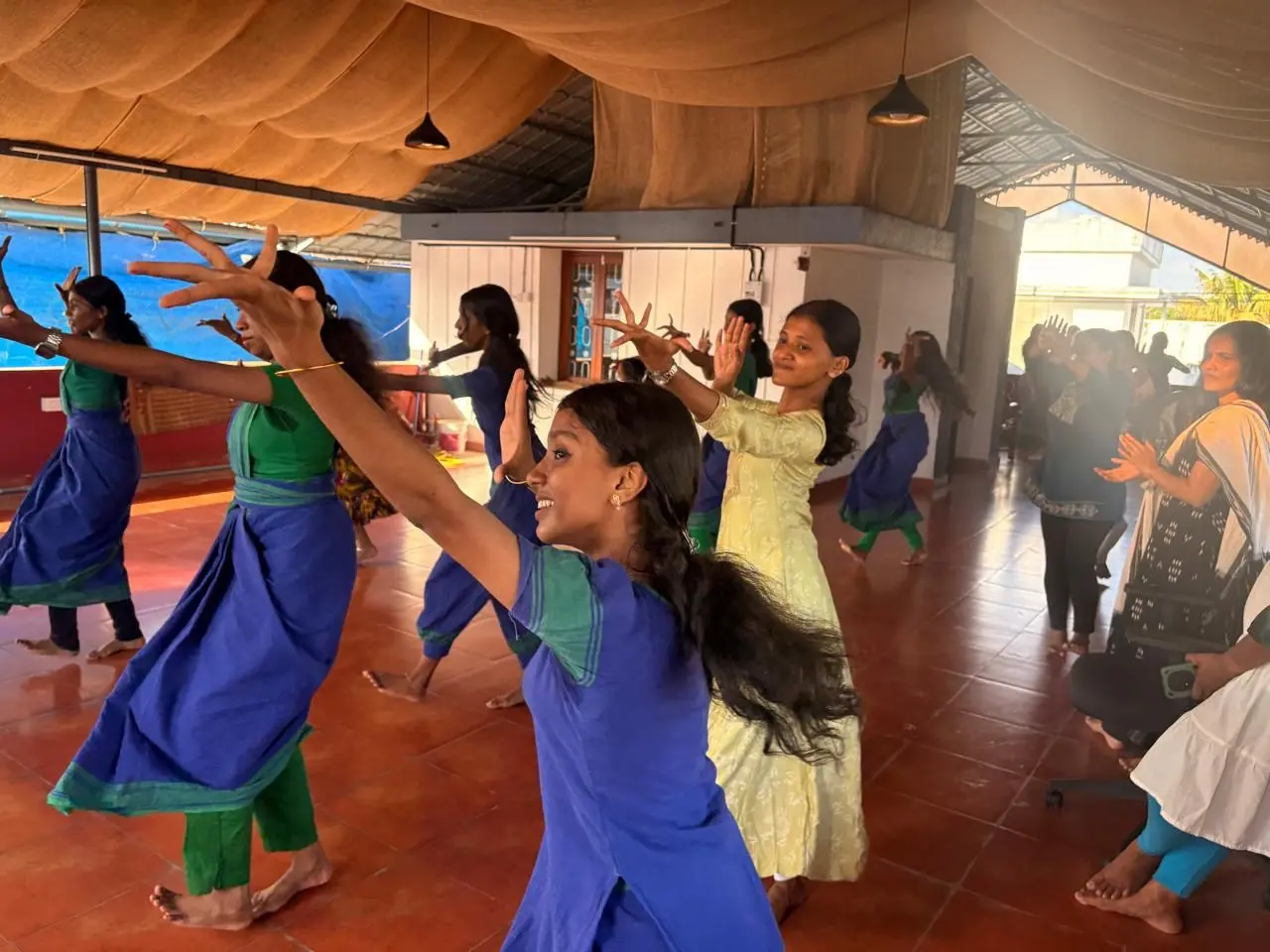
The dance club practised movement and teamwork
The dance club continued with regular practice. Participants built confidence, coordination, and teamwork through movement.
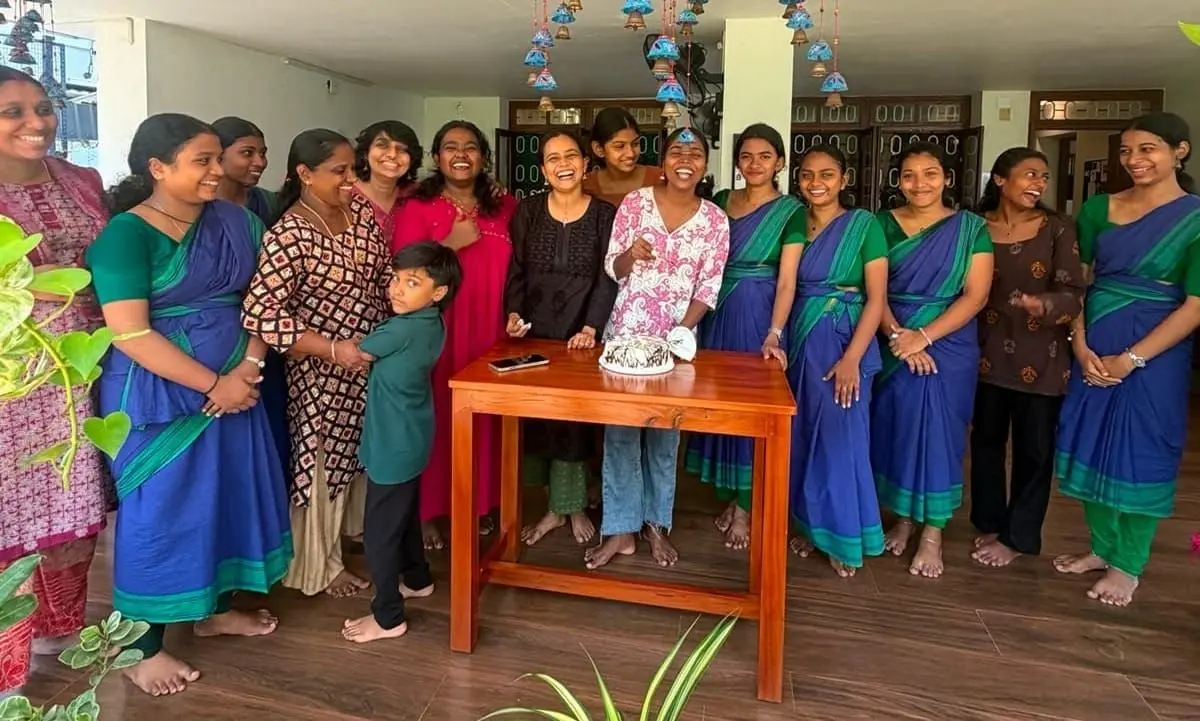
Community members gathered for the monthly birthdays
We held a Space Moment on 12 July 2024, where community members celebrated their monthly birthdays. People talked and enjoyed themselves. It reminded us that small celebrations help build a stronger community.
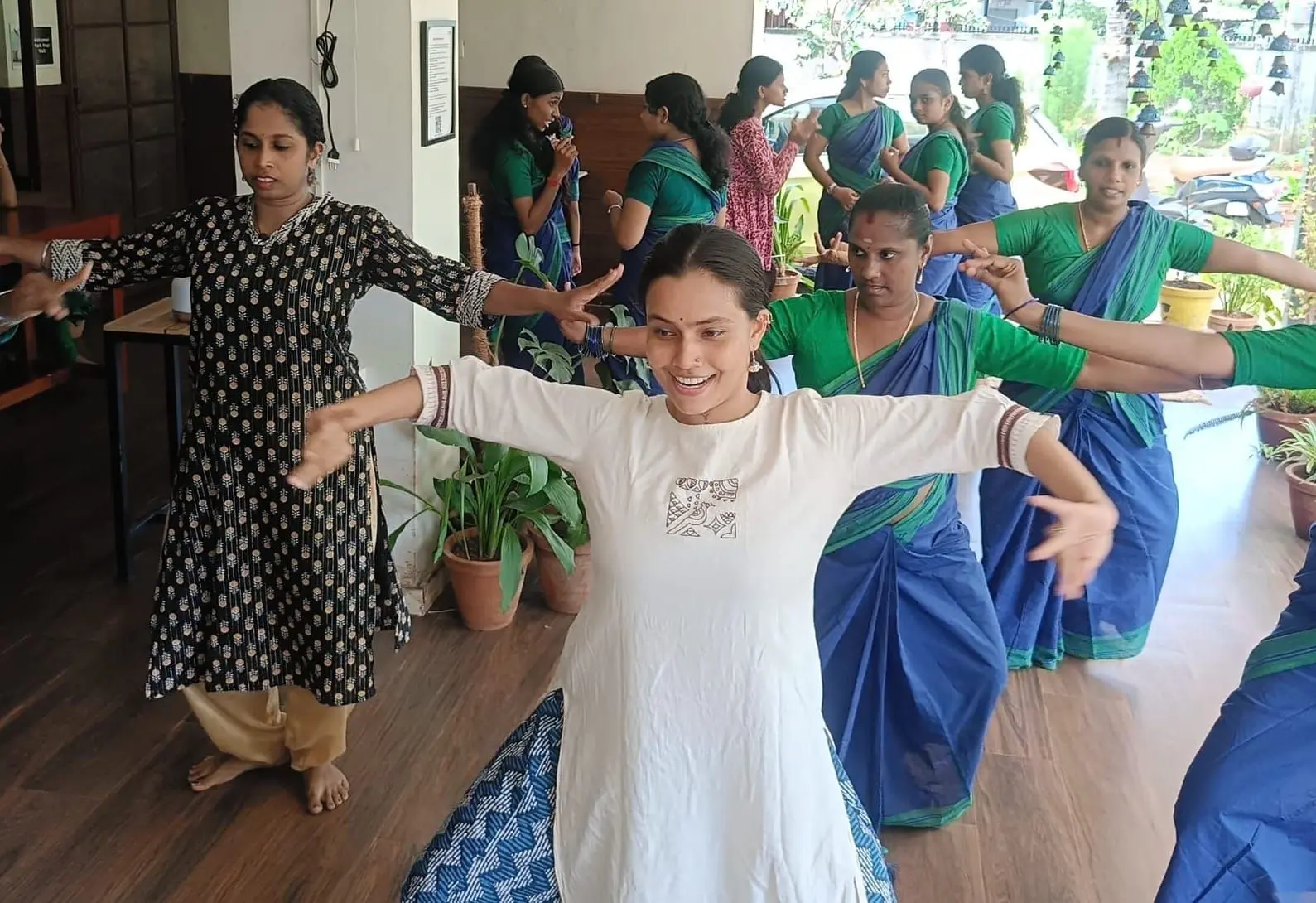
Steps, rhythm and expressions practised again
The regular dance class continued with students practising steps, rhythm, and expressions. Consistent participation helped them become more confident and comfortable with each session.
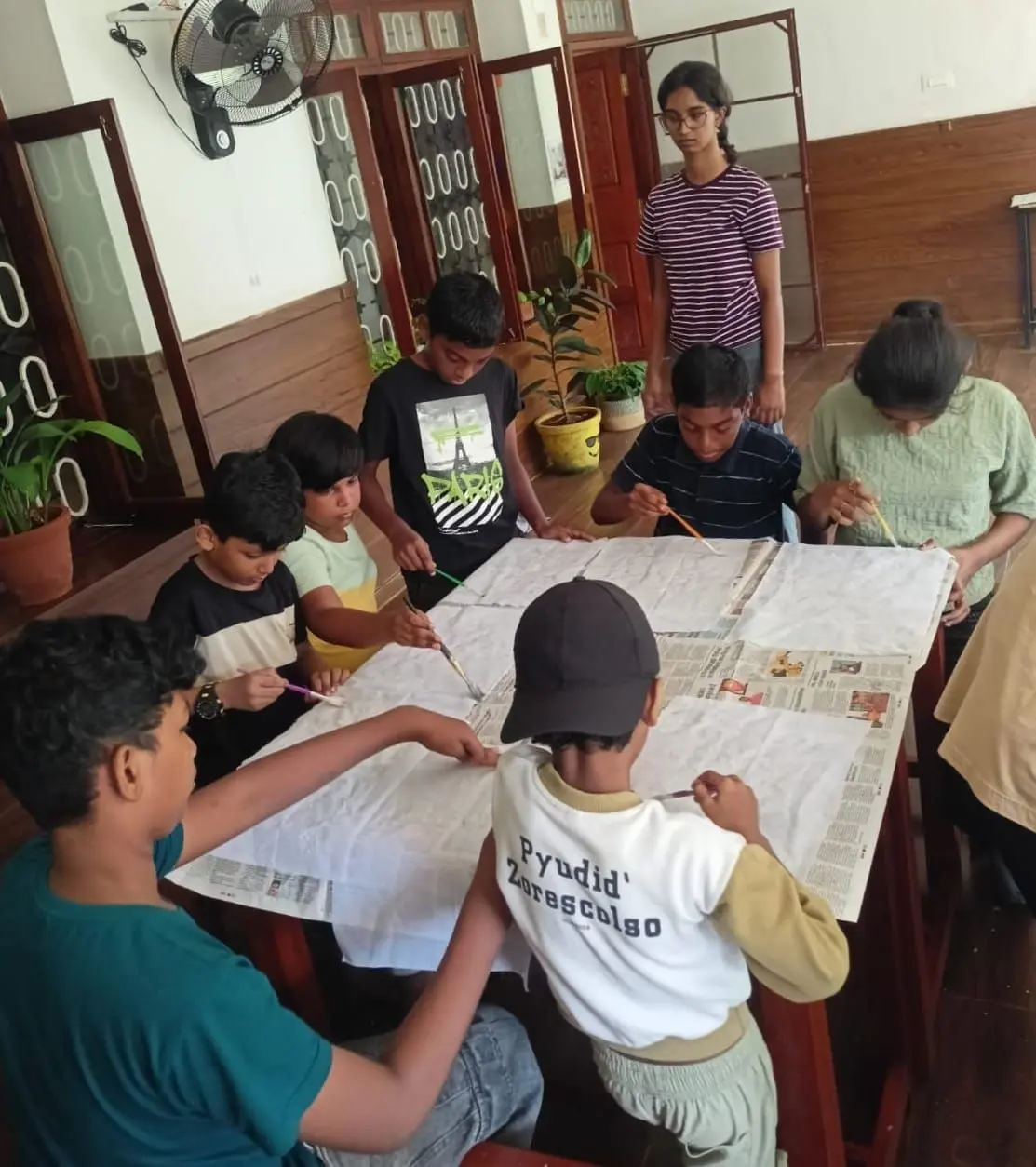
Children made things from simple materials
On 14 March 2024, we ran a craft session for children. They used basic materials to explore new ideas. We encouraged creativity, patience, and learning through making things.
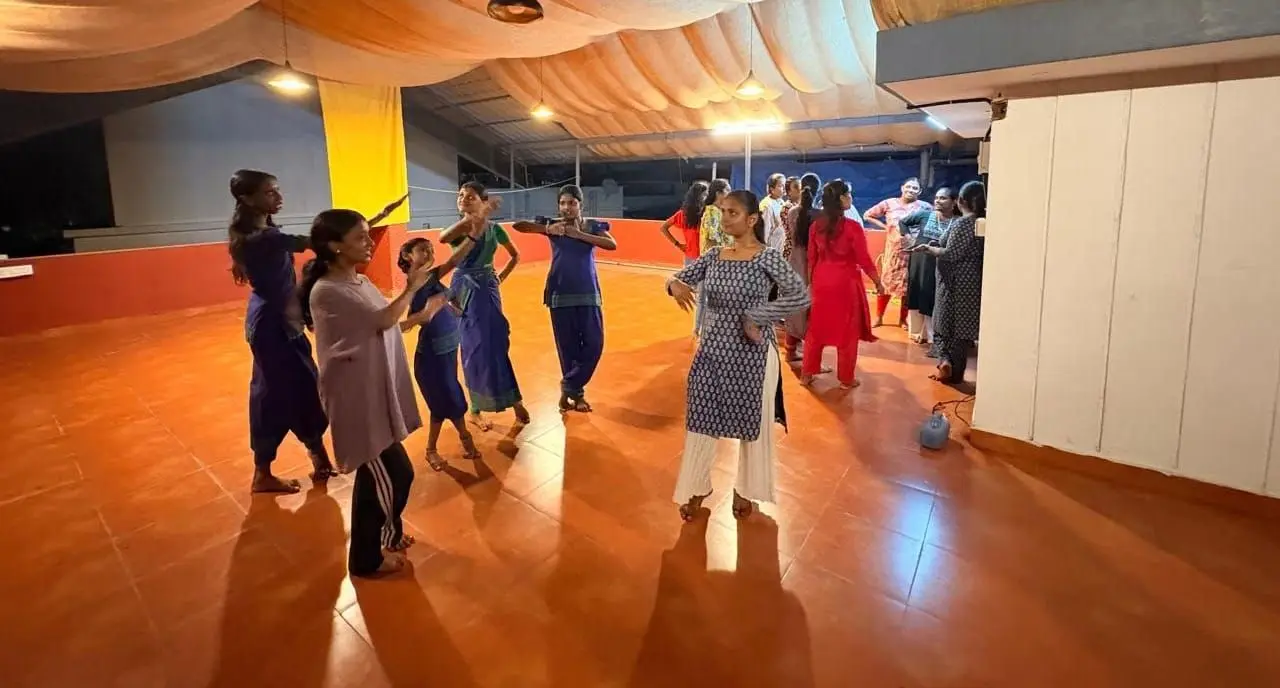
Dancers learned from each other in the group class
The community dance class brought people together to learn, practice and enjoy dance as a group. Regular sessions helped participants build confidence while learning from and supporting one another.
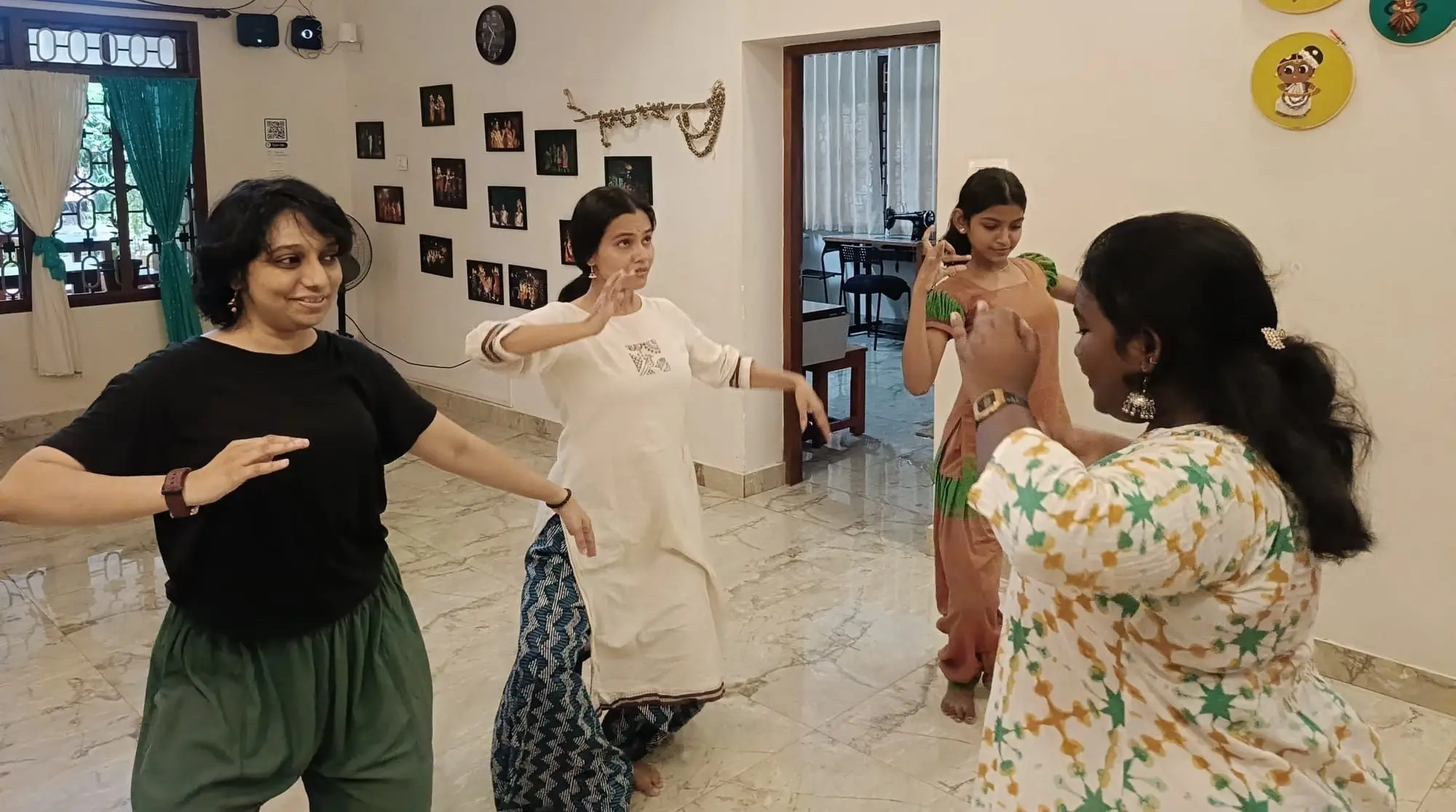
The dance class worked on new movements and expressions
The regular dance class continued. Participants practised new movements, expressions, and coordination skills. With each session, they grew more confident and comfortable, showing steady progress in their learning journey.
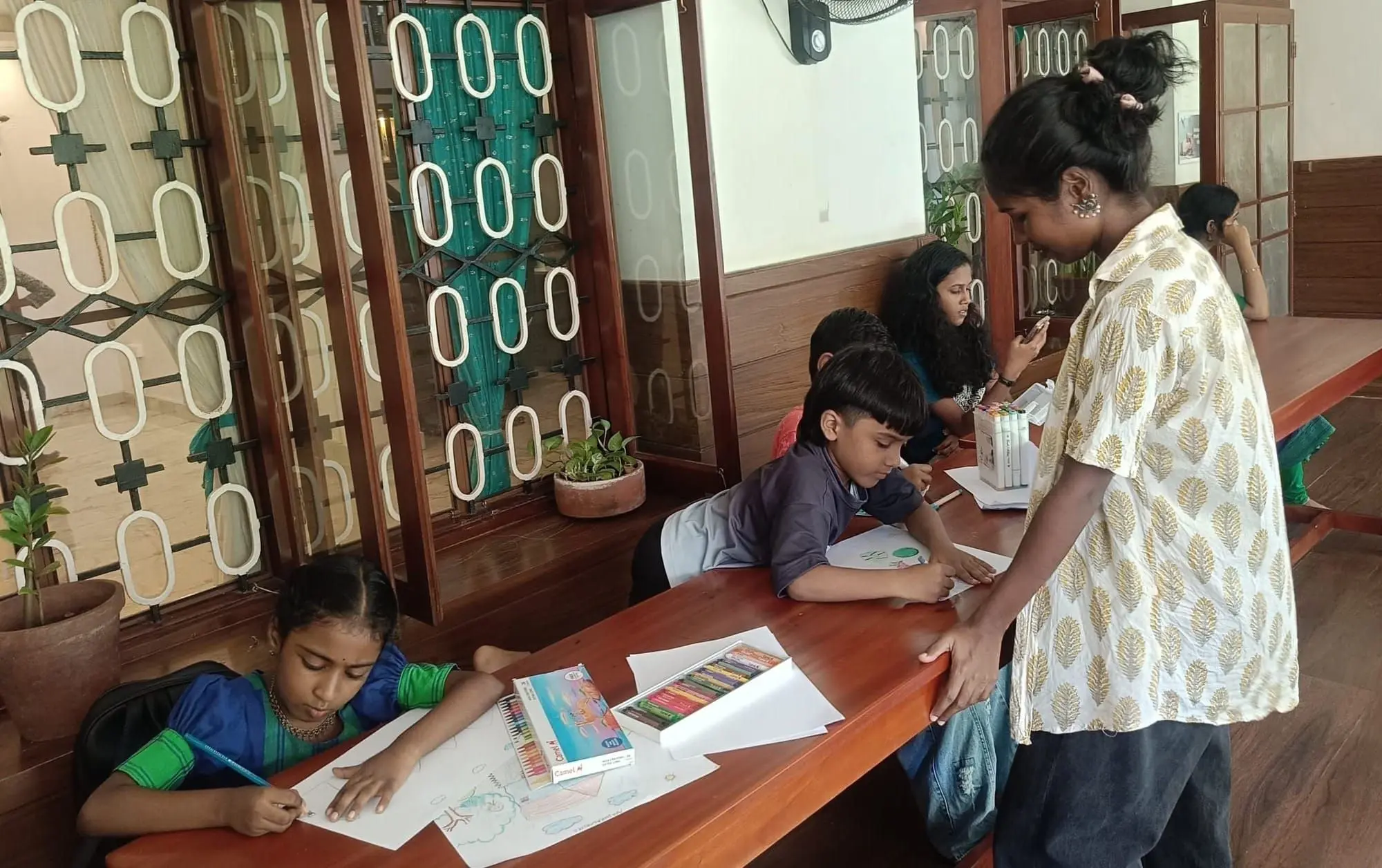
Children drew and made things in the craft session
We ran a craft session for children on 14 July 2024. They drew, made things, and explored ideas. The activity let them be creative and express themselves through art.
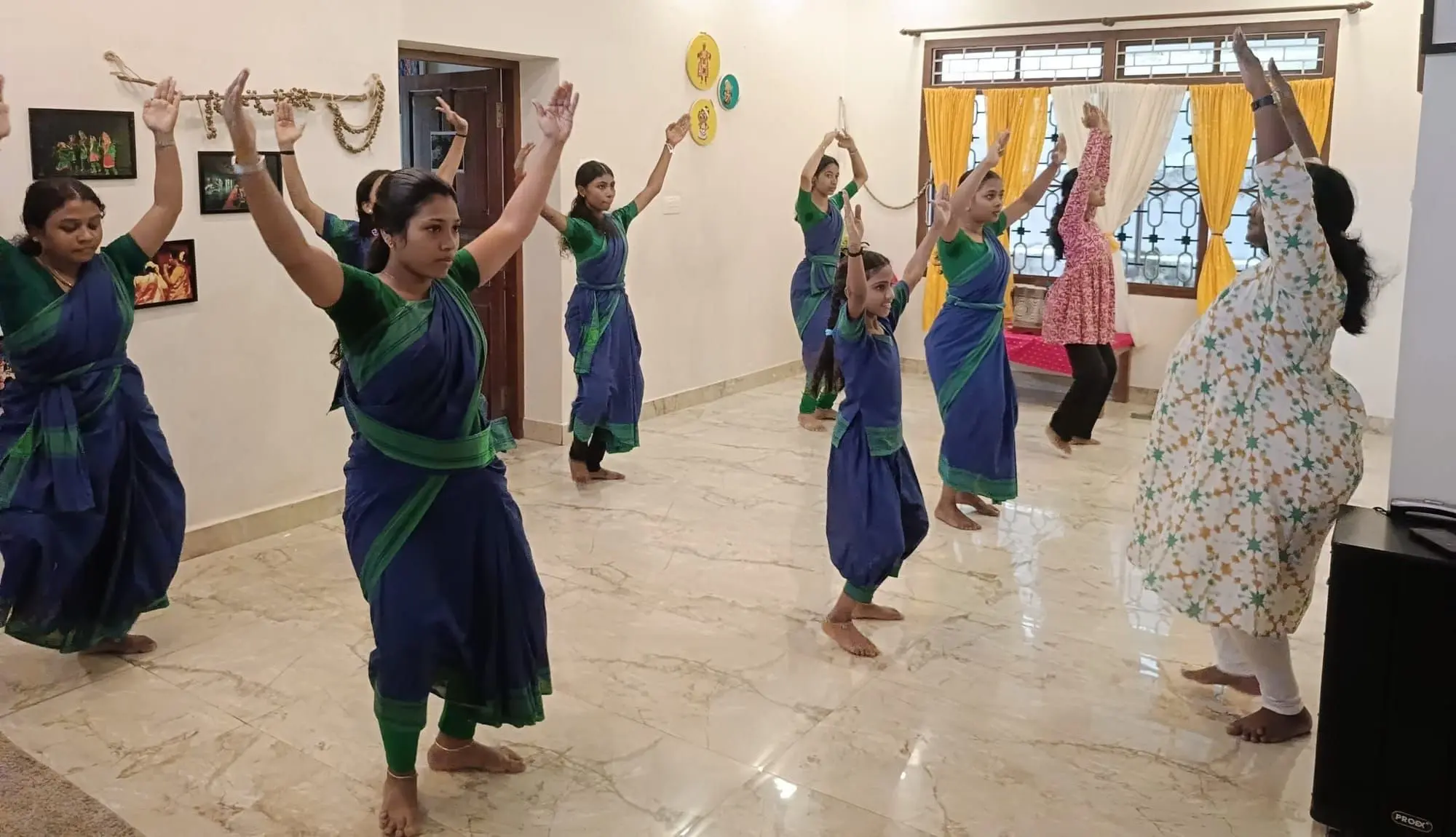
Dancers from different backgrounds practised together
The community dance class took place on 14 March 2024. Participants from different backgrounds learned and practised dance together. As confidence grew, many participants became more comfortable with movements, expressions, and group coordination.
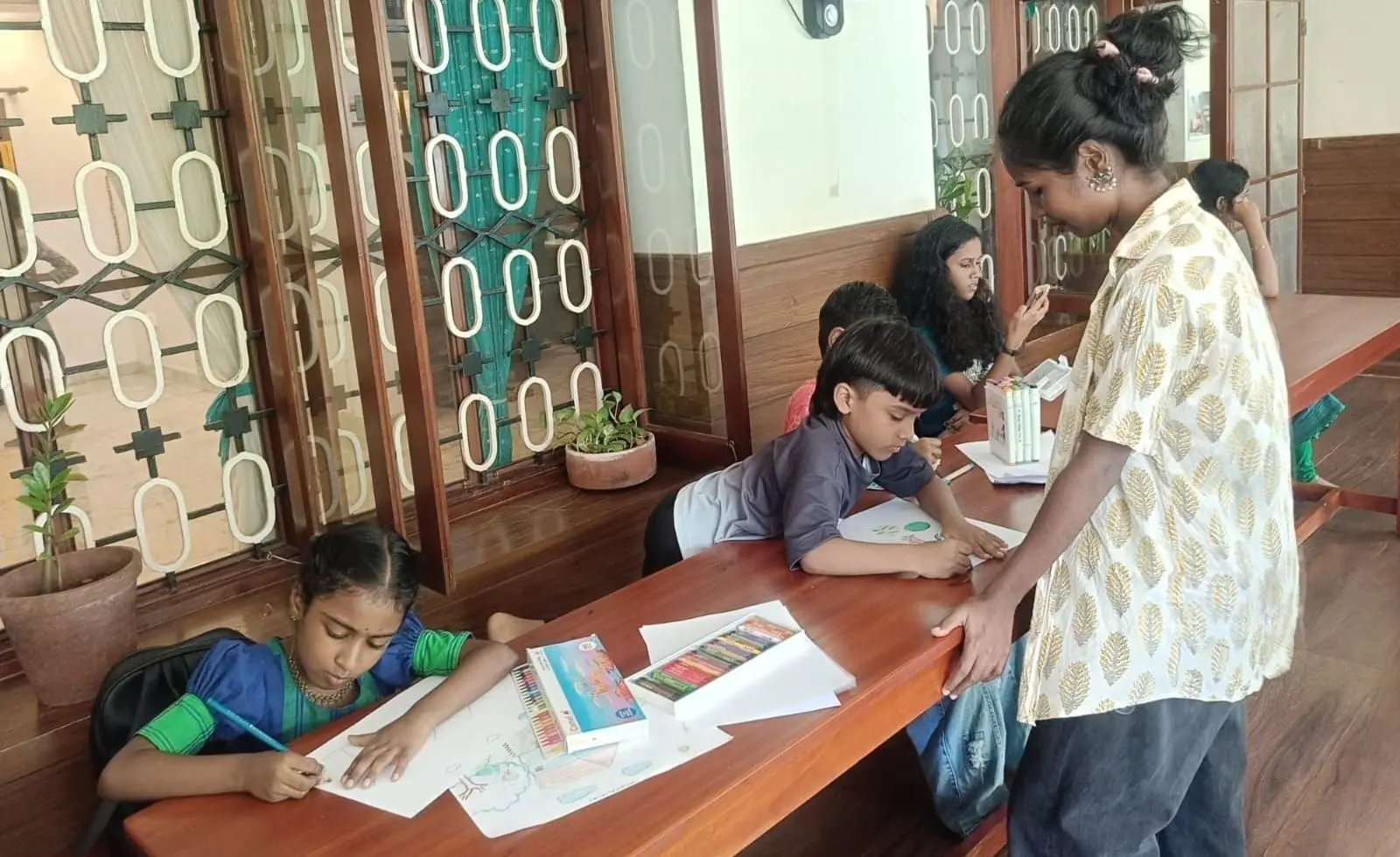
The children keep building skill and discipline
The children continued to grow their skills and discipline through regular practice.
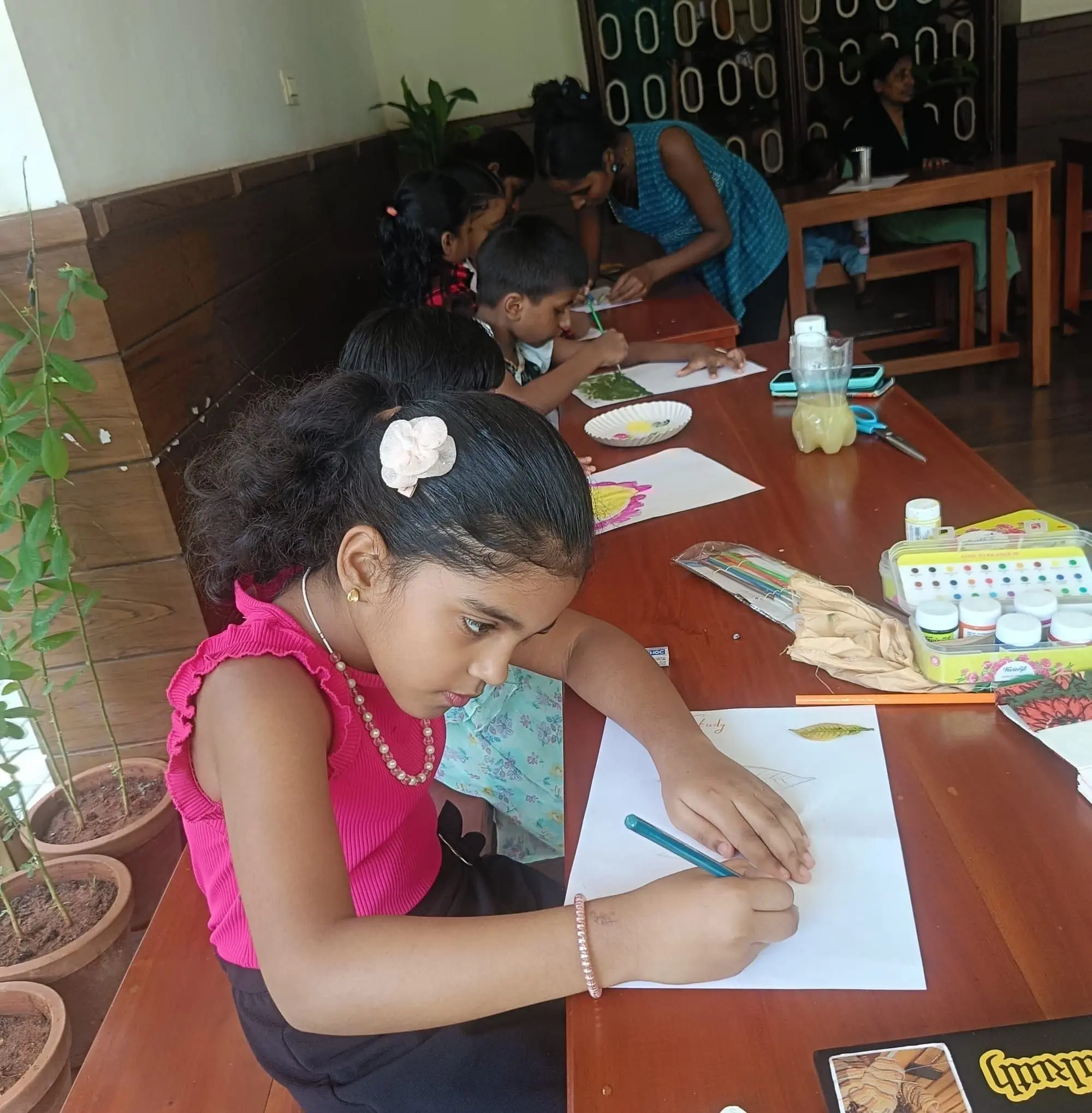
Another day of craft with new ideas and materials
The children did craft activities. They tried new ideas, materials and designs.
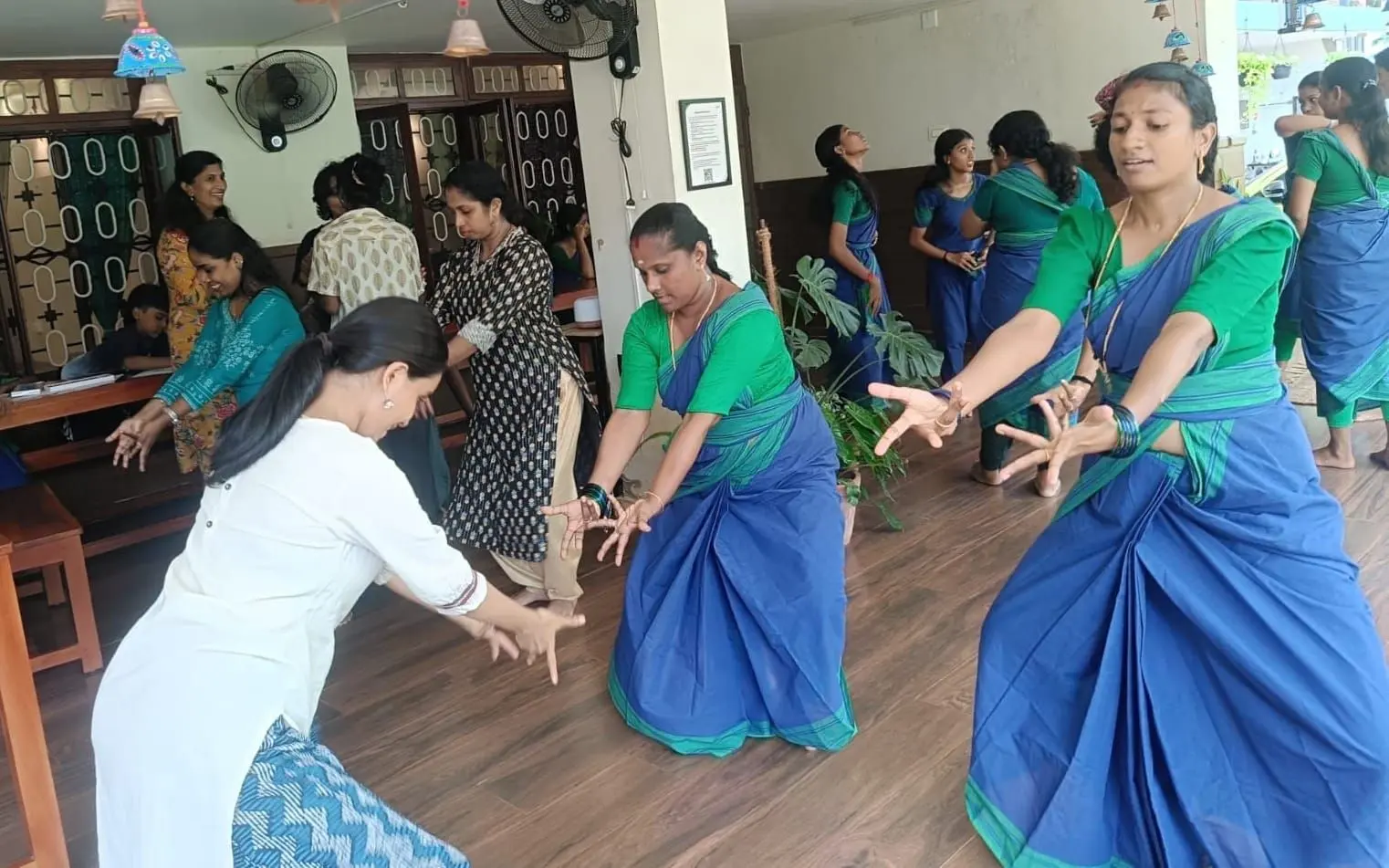
New steps learned at the community dance class
The community dance class continued with enthusiasm as participants learned new steps and practised together.
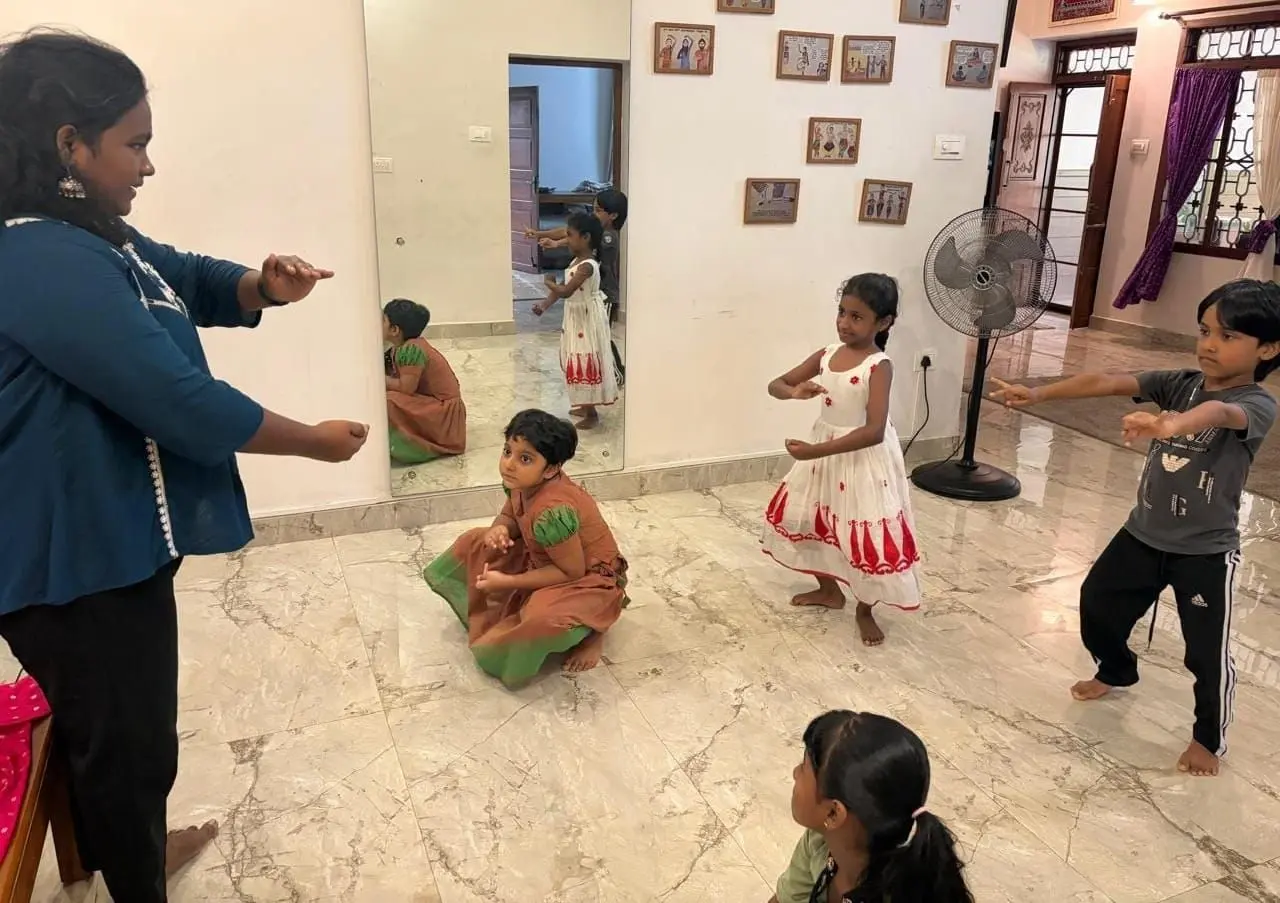
The children dance with more confidence than when they started
The children continued to make good progress in their dance classes. Compared to when they started, they were now more confident, coordinated, and comfortable performing different steps. Regular practice helped them grow in both skill and confidence.
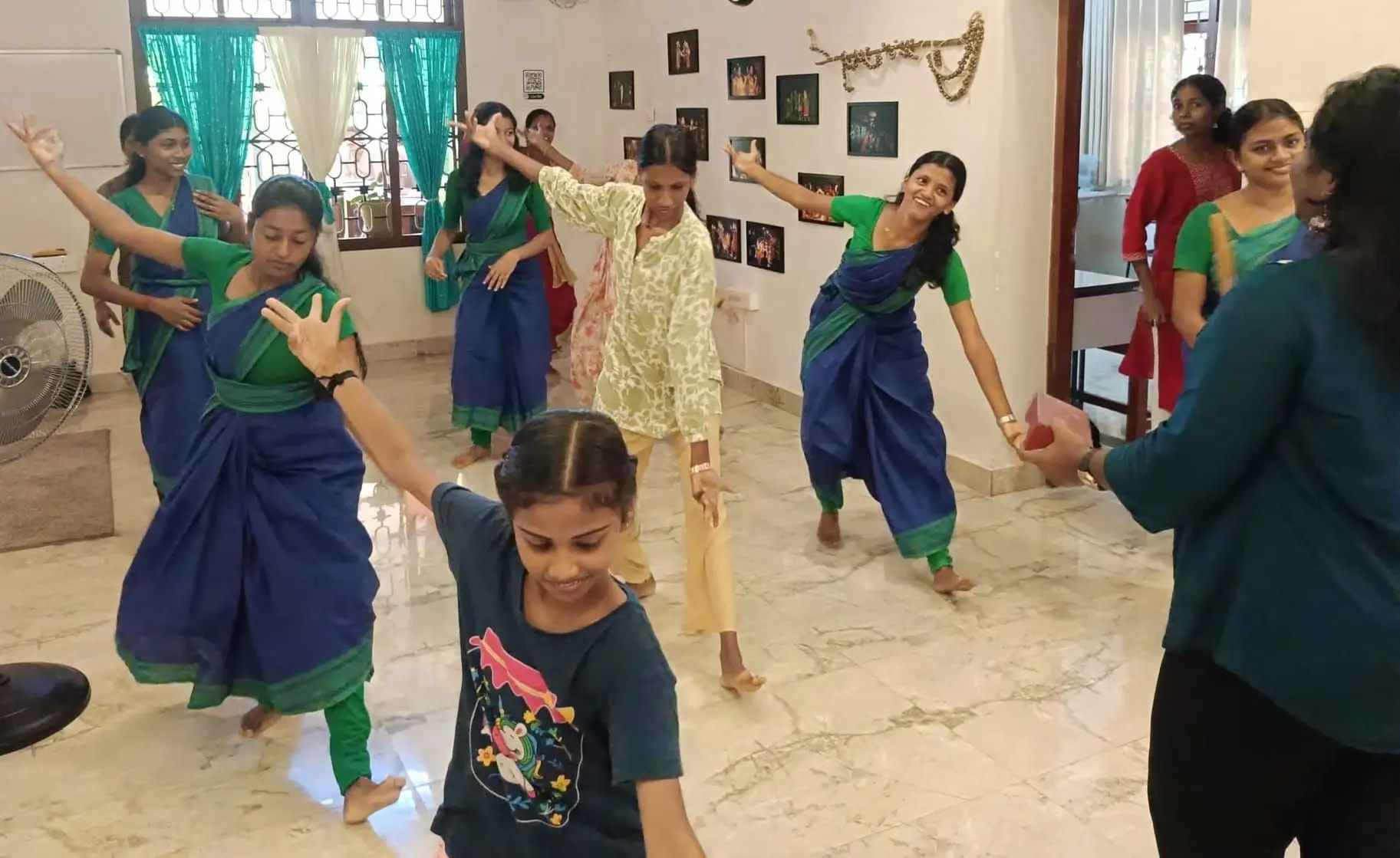
The adult batch started coming in dance uniforms
The adult dance batch started attending classes in their dance uniforms on 14 March 2024. We moved them to the next level of training. This shows their dedication.
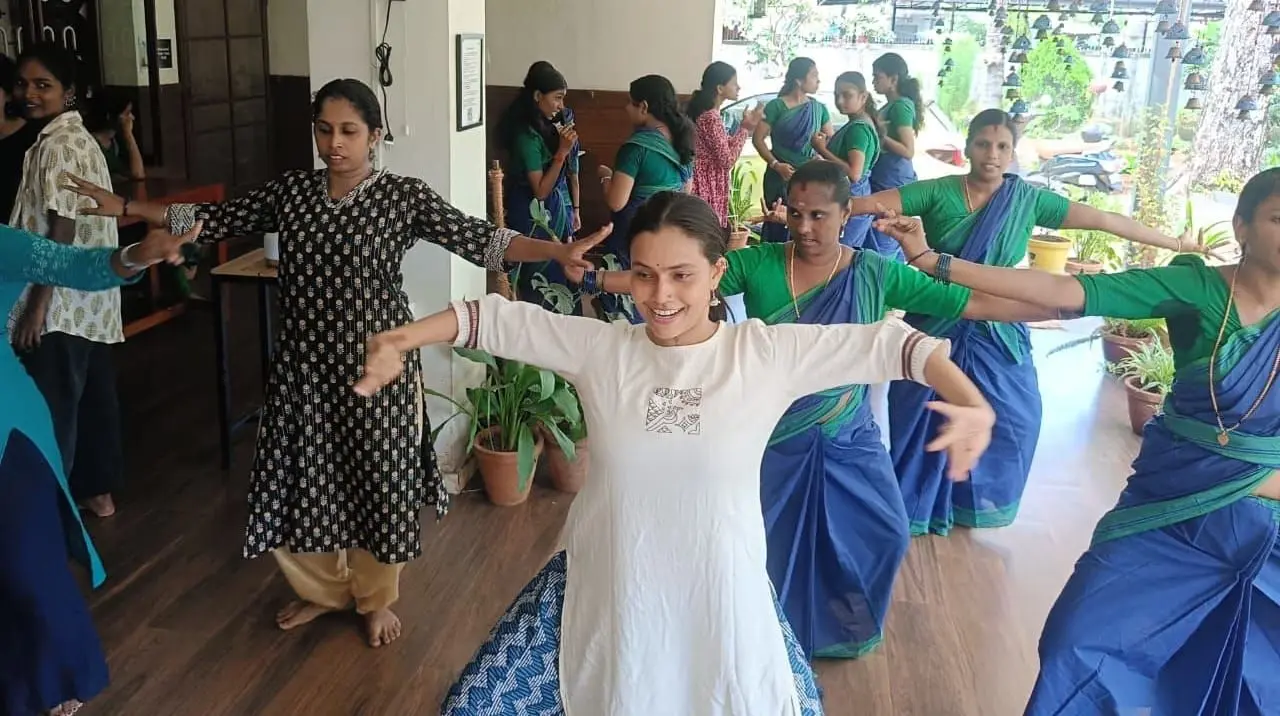
Another dance session spent on movement and expression
Students gathered for another dance session on 14 March 2024. We spent time refining movements, rhythm and expressions. Through regular practice and shared enthusiasm, we became more confident performers while enjoying the connection and teamwork that dance brings.
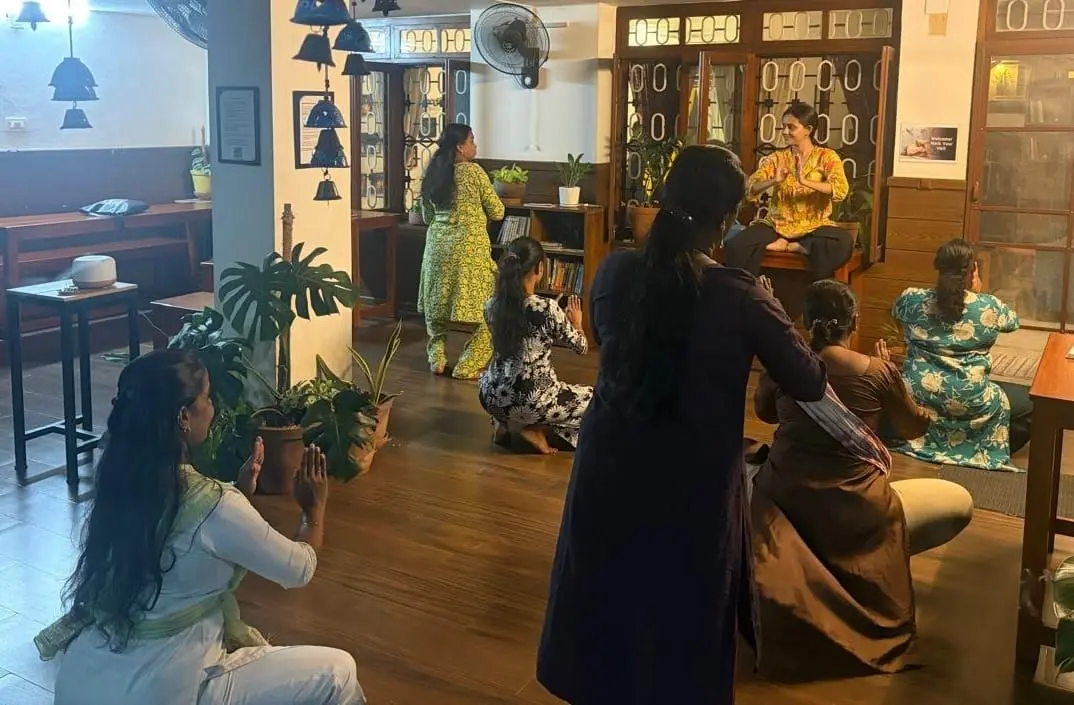
Dancers built on steps learned in earlier sessions
Students returned to dance practice on 14 March 2024. They worked on new steps and revised old ones. We saw them improve in coordination, rhythm and confidence. They seemed to enjoy it.
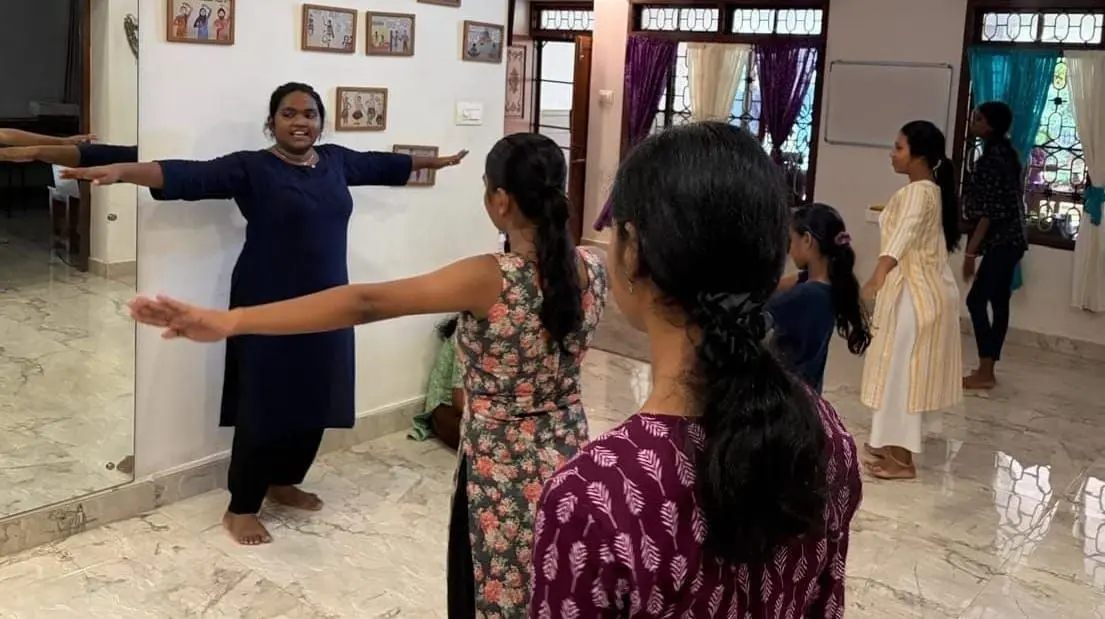
The young dancers worked on coordination and rhythm
The young dancers continued to develop their coordination, rhythm, and expression through regular practice and gentle guidance. The sessions helped them build confidence and enjoy moving and learning together.
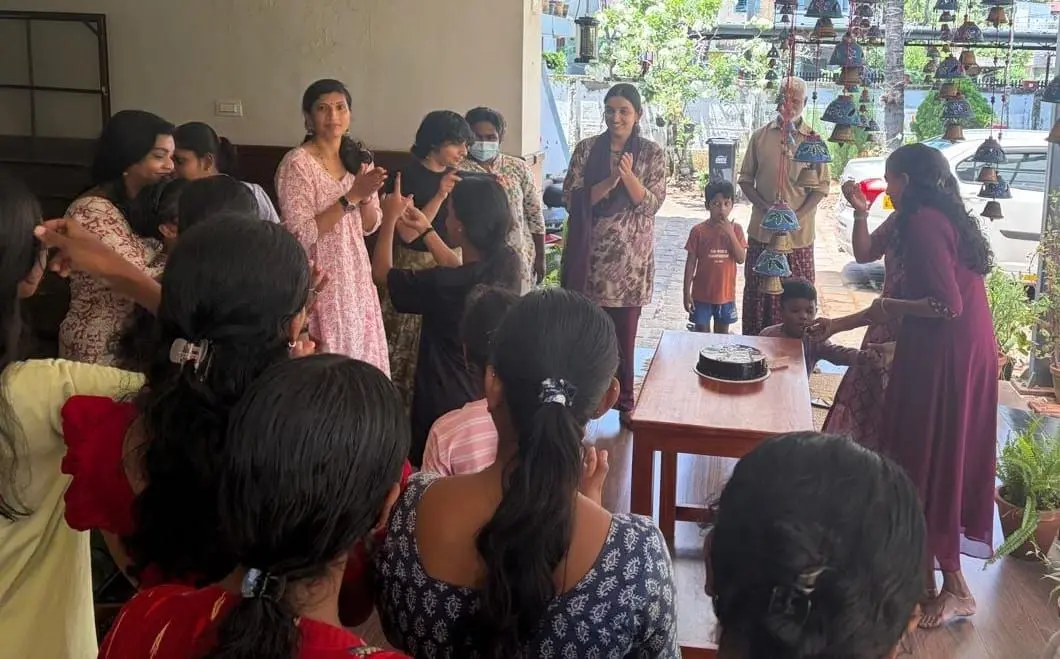
May's birthdays were celebrated together with cake
We held a gathering for everyone born in May. There was cake, smiles and conversations. We wished all our May birthday stars a wonderful year ahead.
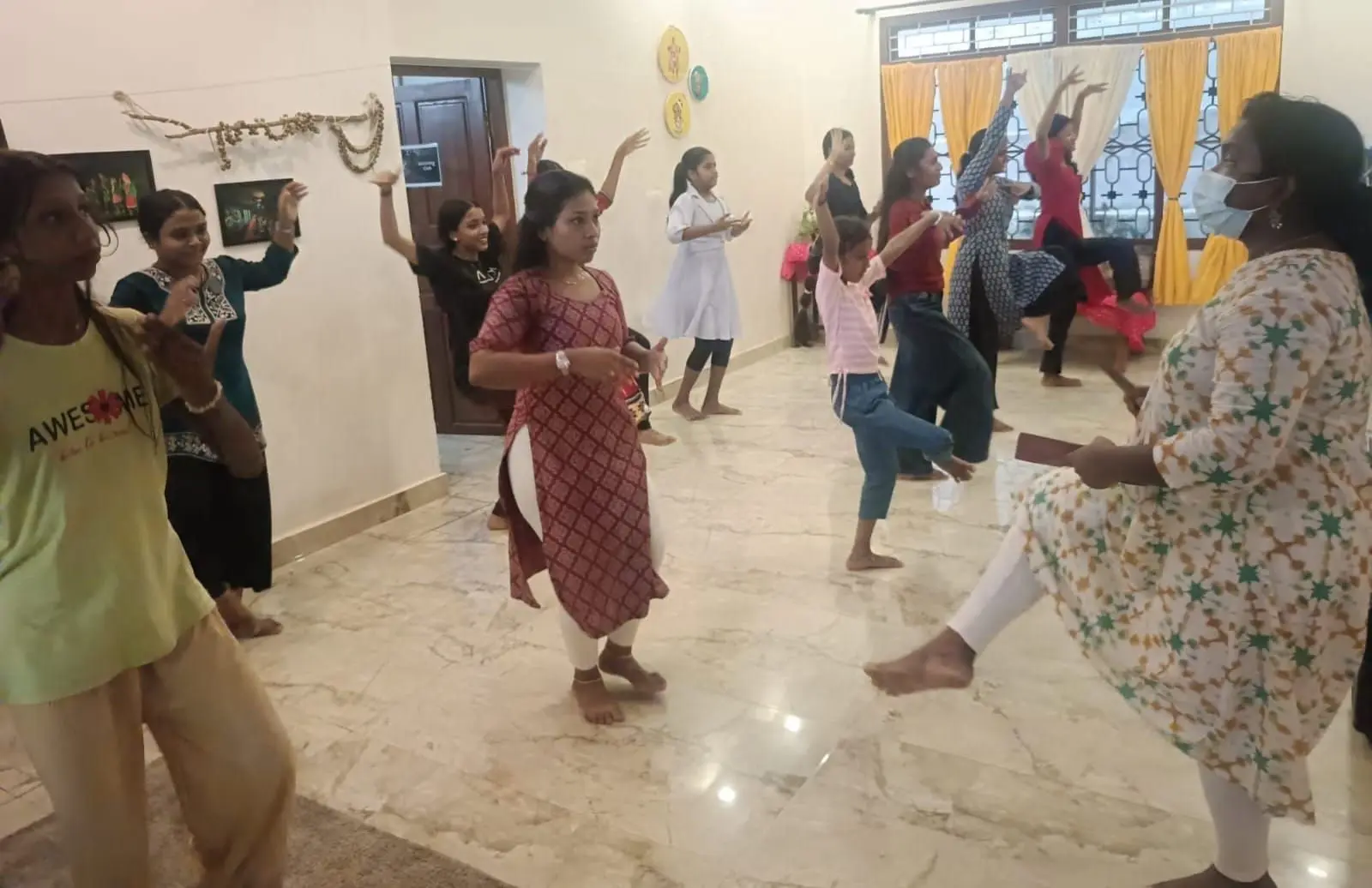
Discipline and storytelling taught alongside the steps
The children learned the discipline and storytelling at the heart of Bharatanatyam. We practised steps, expressions and coordination regularly, which made their movements more confident.
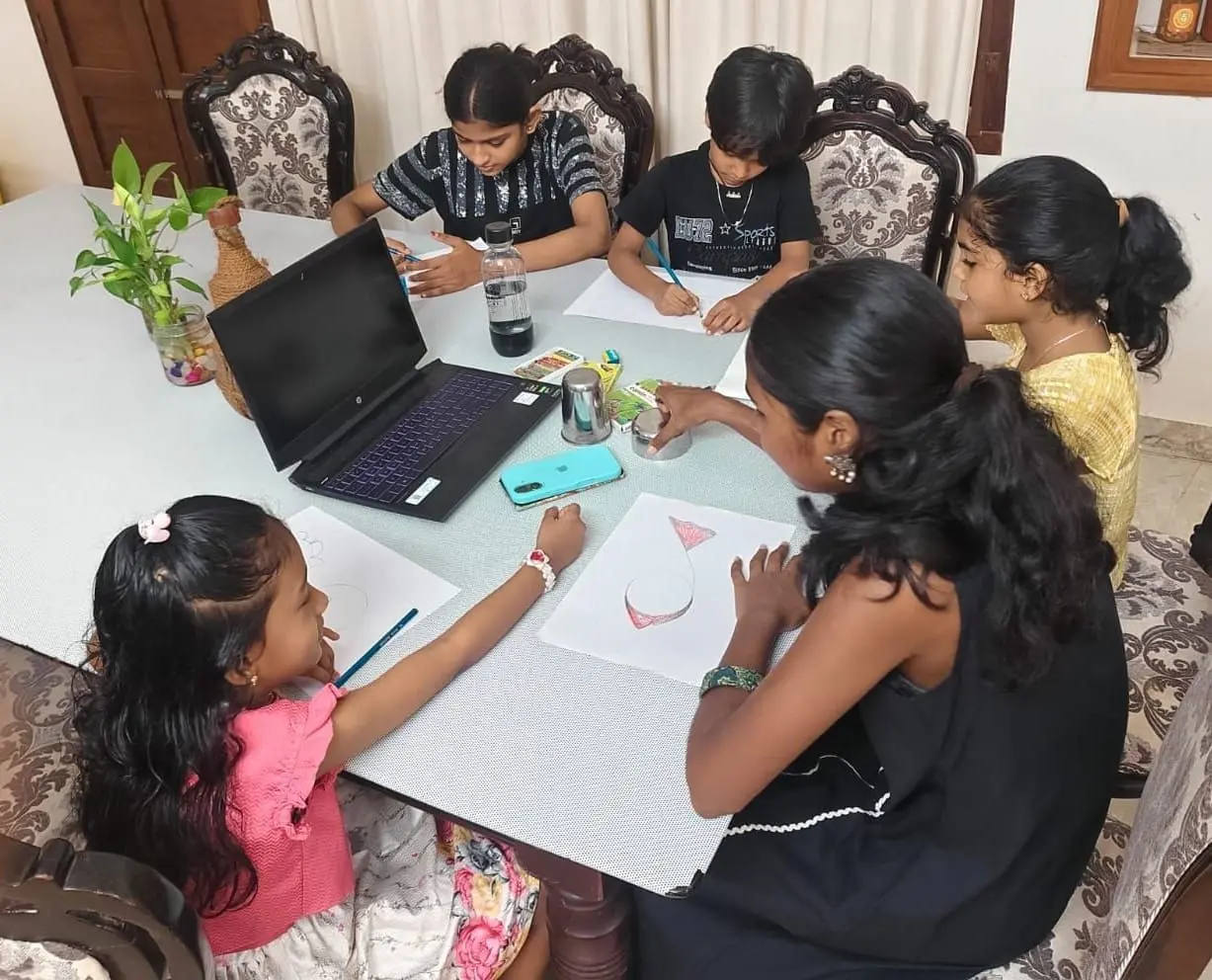
Children experimented in another hands-on craft session
The children spent time making things, trying things out, and learning through simple crafts. They used their imaginations, concentrated, and got their hands dirty.
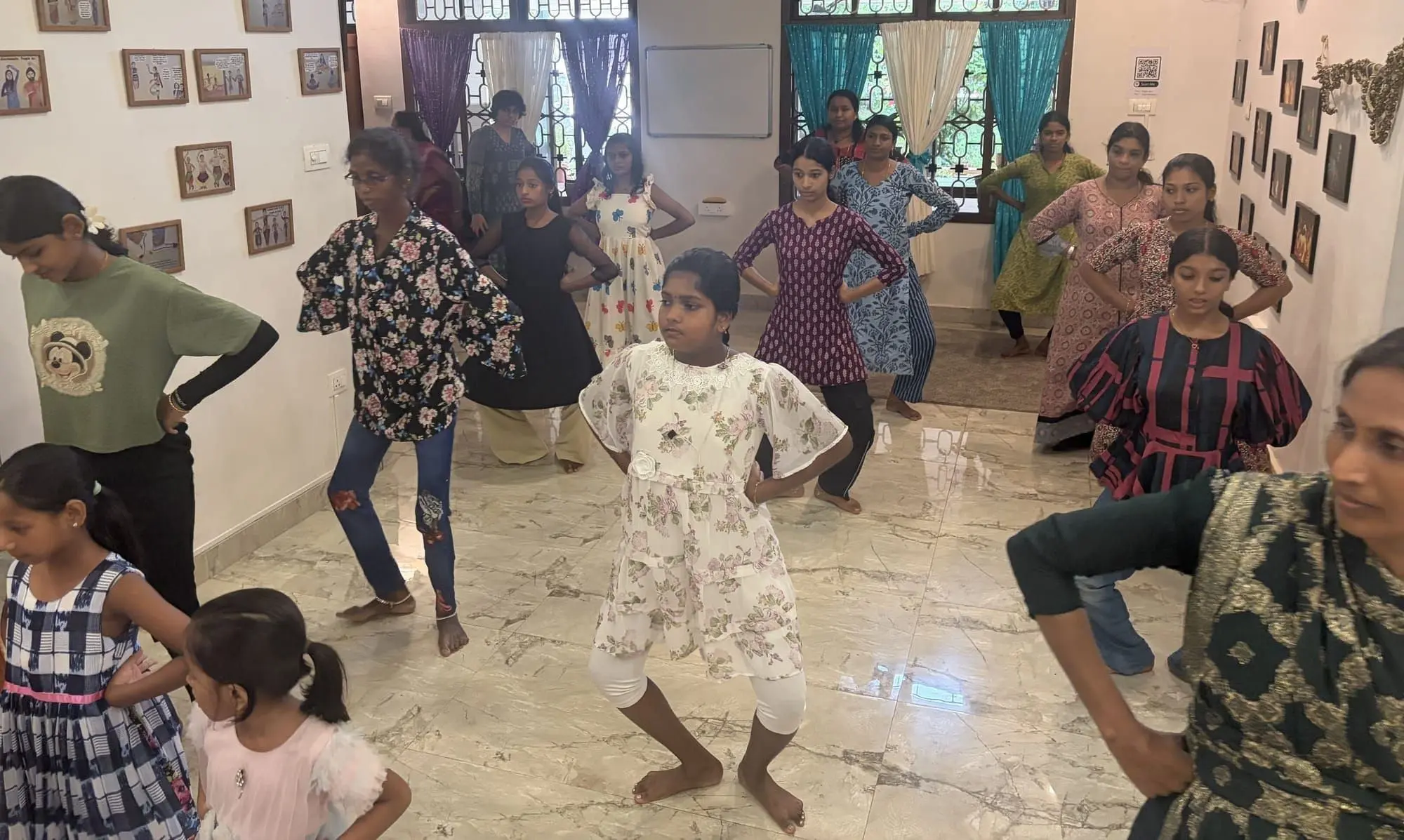
Another day of Bharatanatyam practice for the children
We ran another Bharatanatyam class at the space. The children continued learning movements and coordination together while building confidence and discipline through dance.
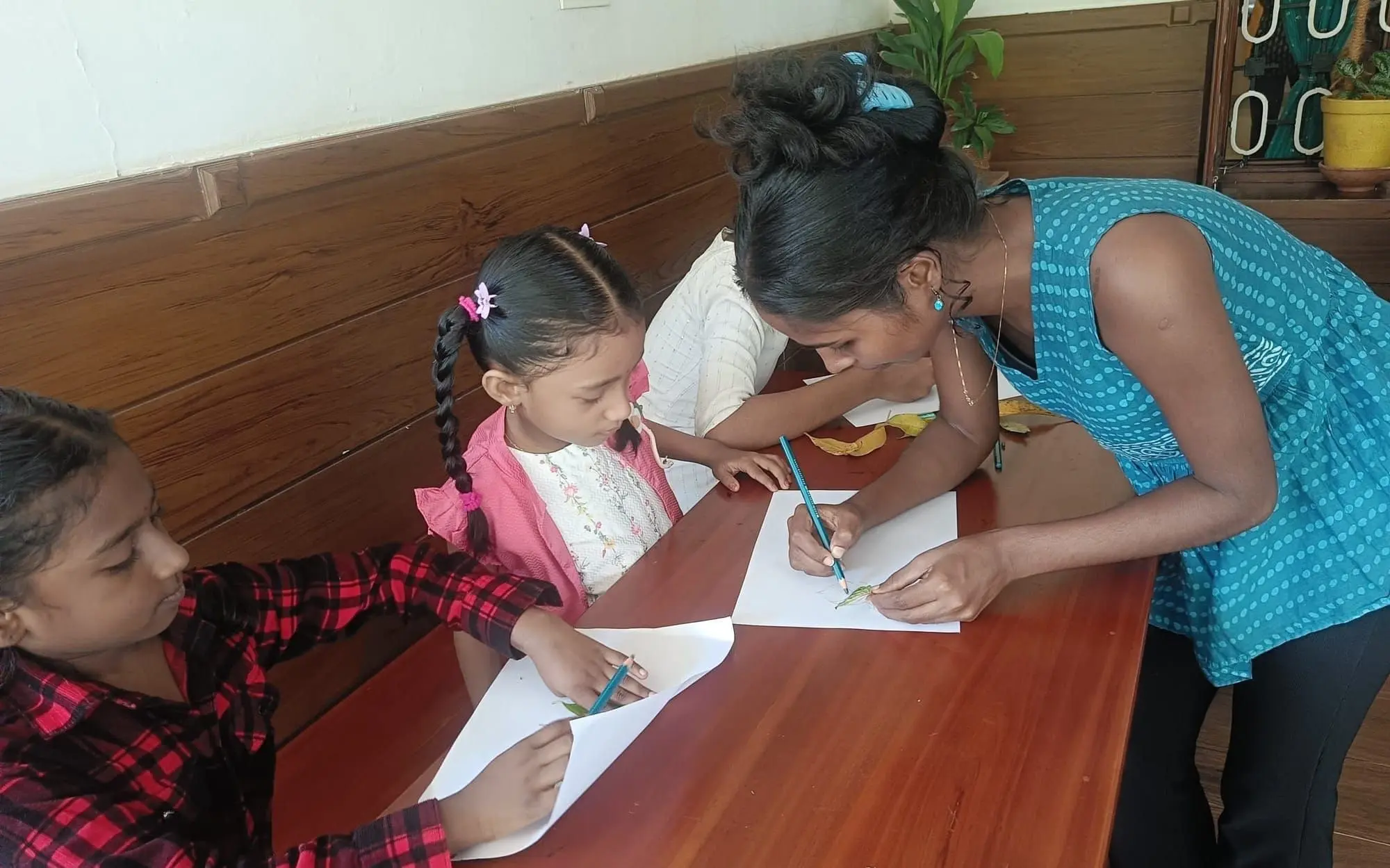
Thudippu started craft-making sessions for children
Thudippu started craft-making sessions for children at the space, led by Shilpa VS. We gave the children simple hands-on activities so they could explore creativity, learn new skills, and enjoy making things together in a fun and welcoming environment.
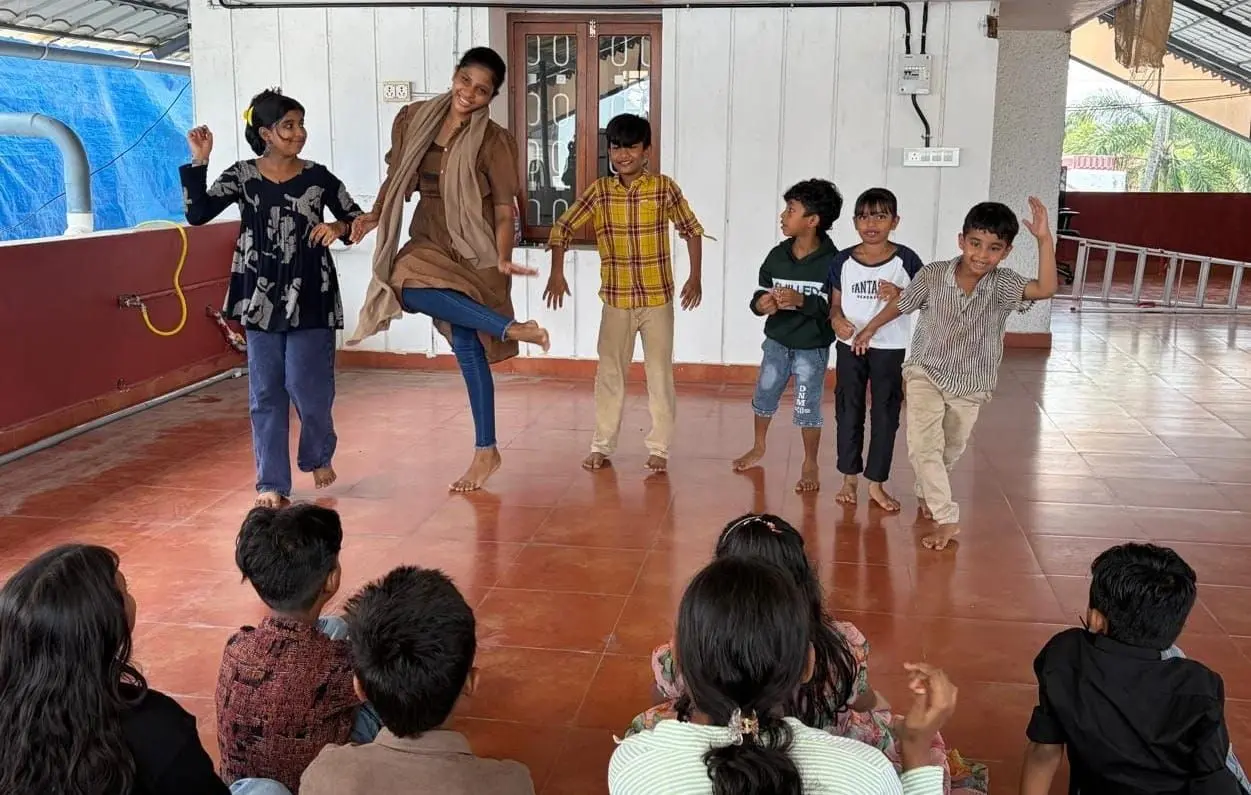
The summer camp closed with an art display and performances
On 28 July, the children exhibited the artworks they made during the summer camp. They showed them to everyone. Later, they performed dances and theatre in the theatre space. It was a joyful celebration.
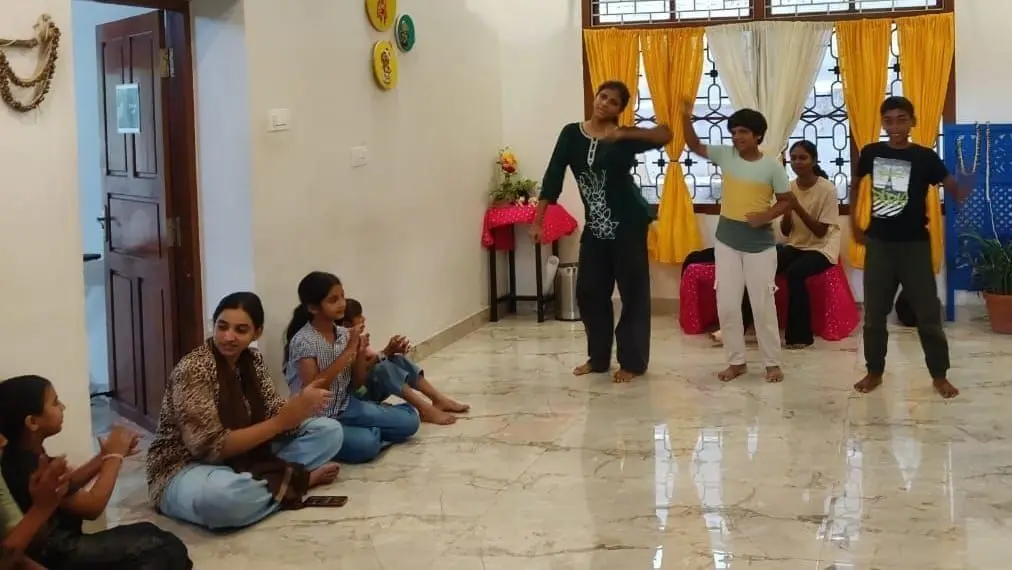
Role play taught the children to work as a group
The children learned to work as a group through movement, role play, and expression.
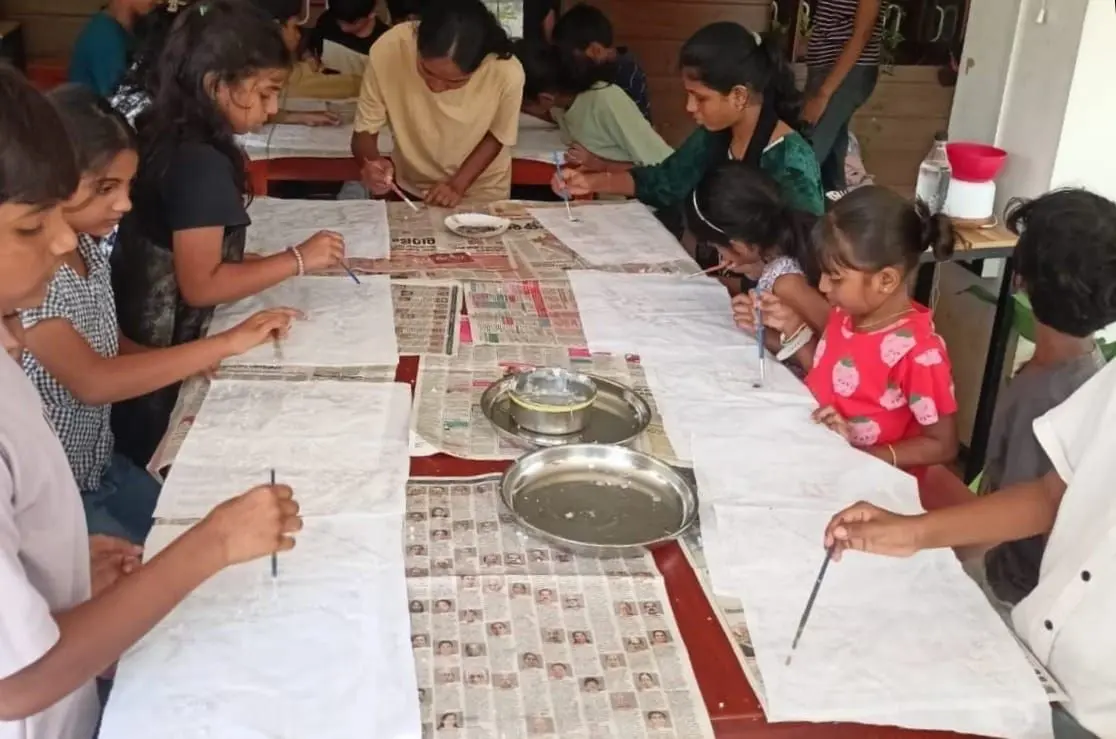
Campers tried resist dyeing along with dance and games
On Day 3 of the summer camp, we ran movement, dance, and Resist Dyeing activities. We encouraged the children to move freely, think creatively, and participate with confidence through games, expression, and group sessions.
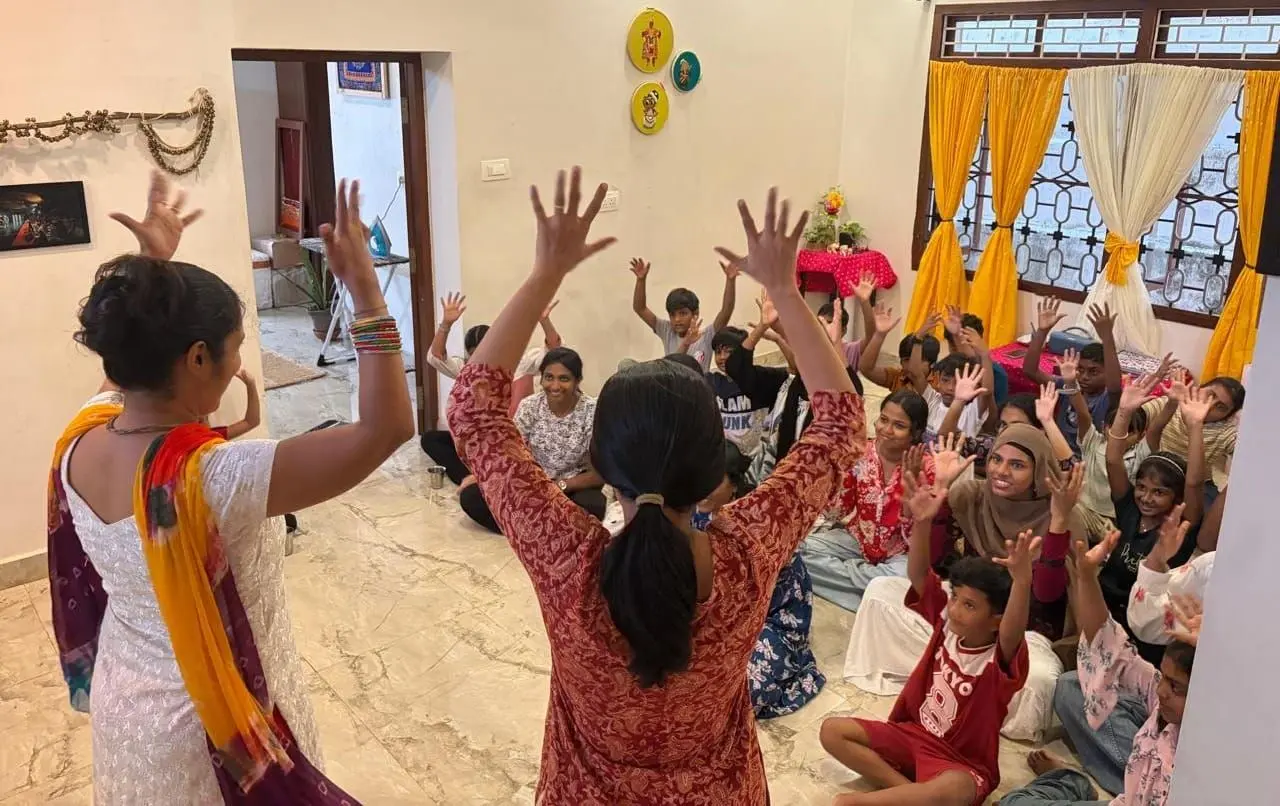
Summer campers learned storytelling and basic sign language
On 2 August, we ran Day 2 of the summer camp. We focused on storytelling and teaching basic sign language. The children learned new ways to communicate, listen and understand each other through stories, expressions and simple hand signs.
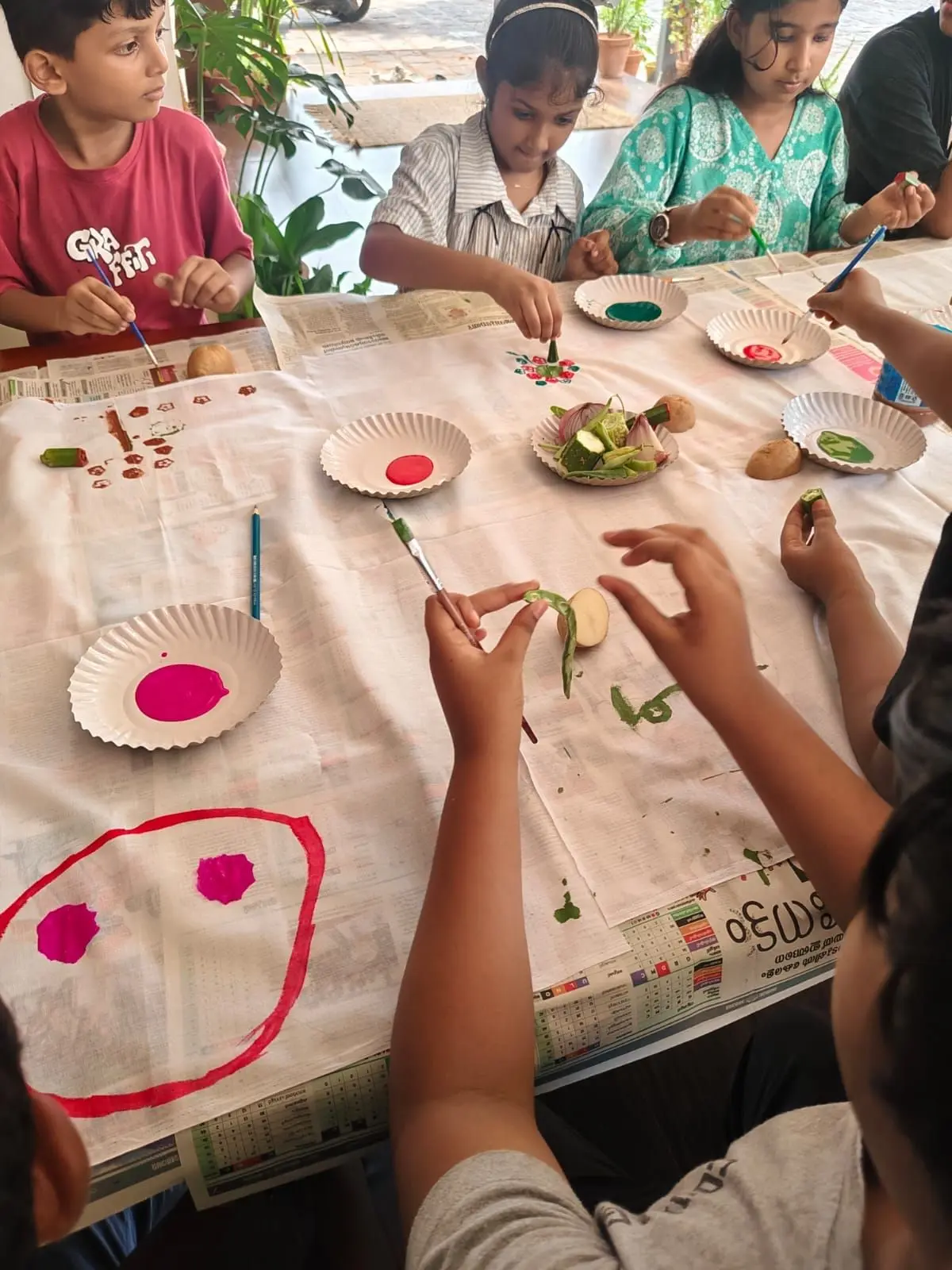
The summer camp opened with yoga and vegetable painting
The summer camp started with an ice-breaking session. We then did animal flow movements, games and group activities so the children felt comfortable with each other. The day continued with yoga and finished with a vegetable painting session on cloth, where the children explored creativity through colours and patterns.
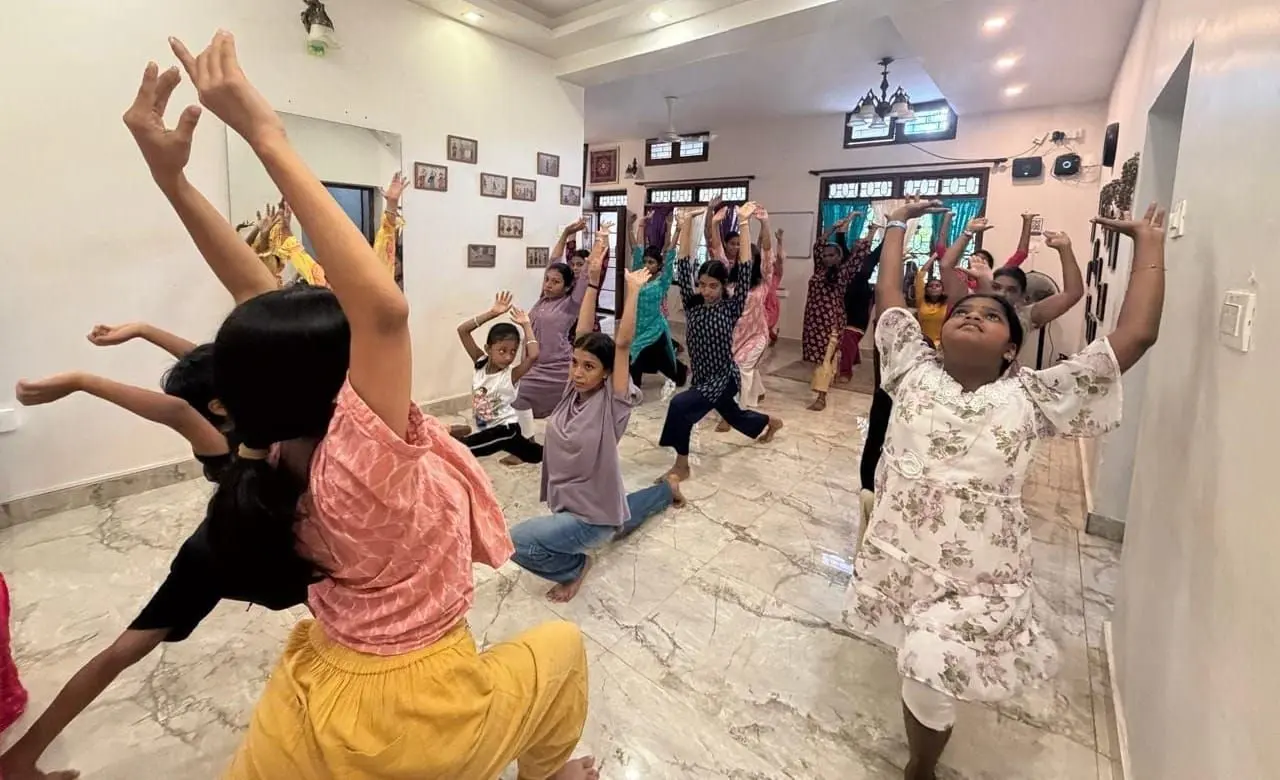
Bharatanatyam students learned to tell stories without words
The Bharatanatyam class had energy as students practised expressions, postures and movements together. With every step and hand gesture, the children were getting to know how dance can tell stories without words.
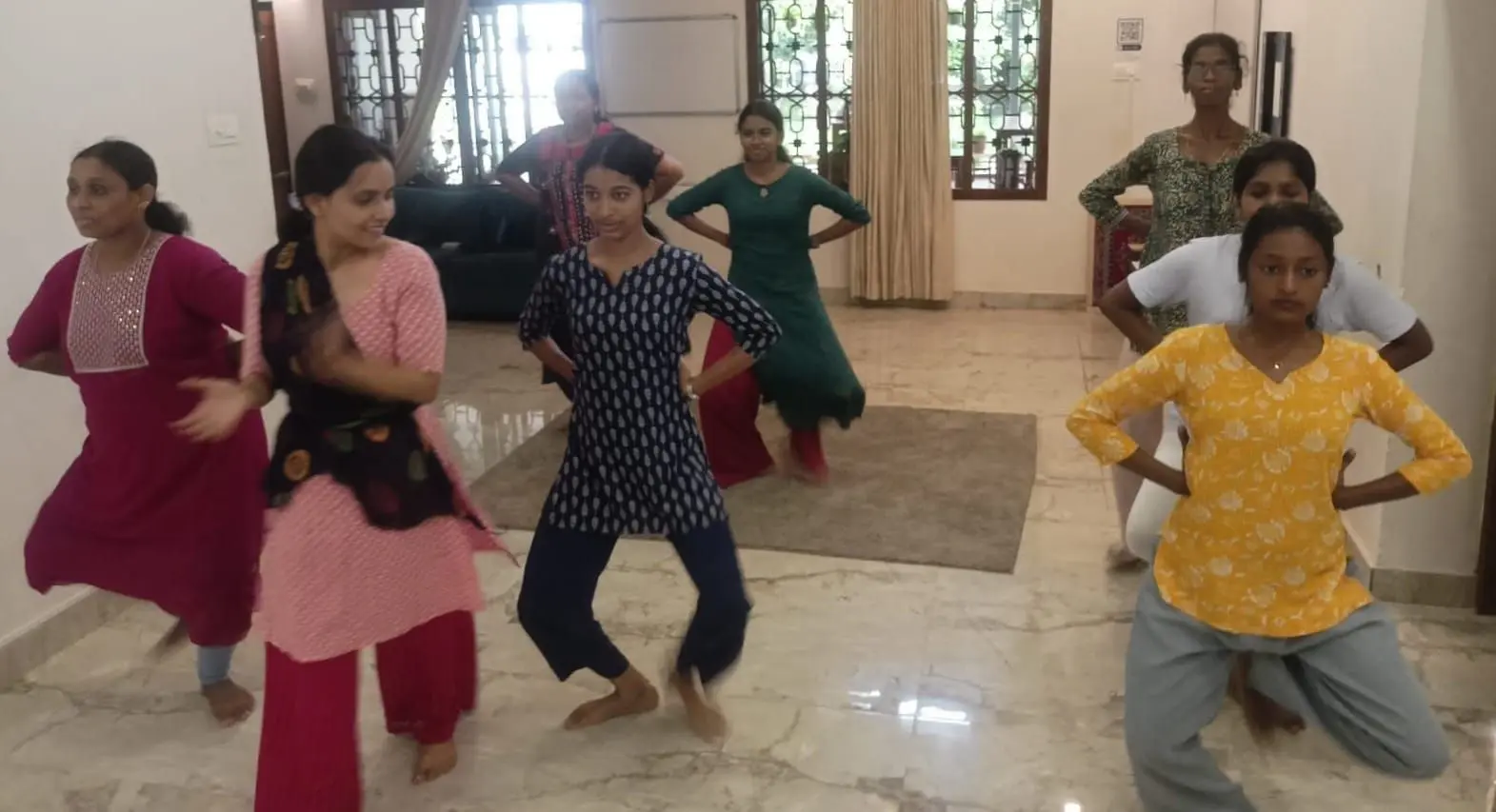
Children and adults practised Bharatanatyam side by side
The Bharatanatyam class brought children and community members together to practice steps, postures, and rhythm as a group. With every session, the space slowly grew into a place where learning, discipline, and art came together.
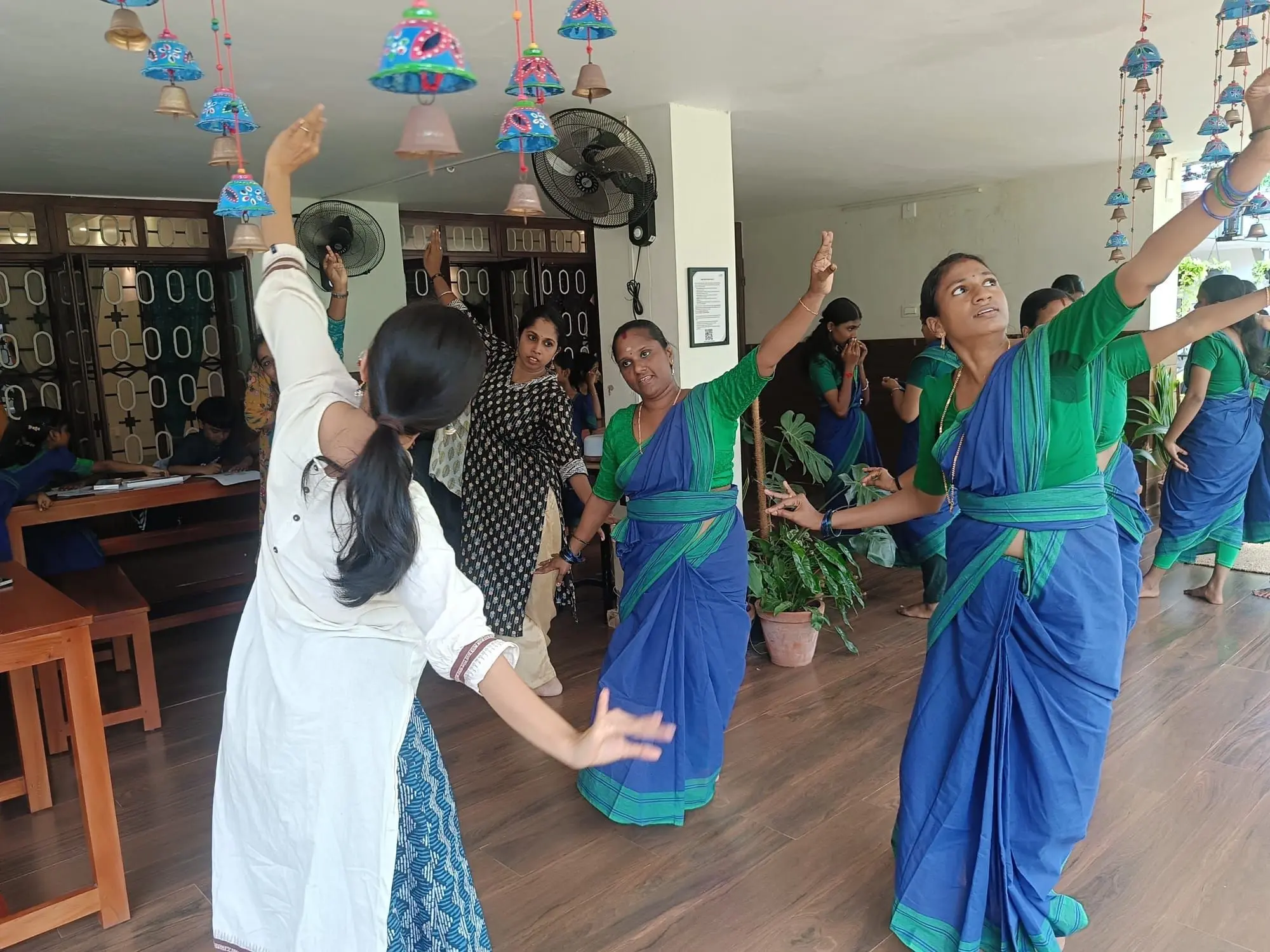
The Bharatanatyam class now runs in two batches
The Bharatanatyam class now runs in two batches. Yesterday, five new students joined, bringing fresh energy as we continued to learn steps, rhythms, and expressions together.
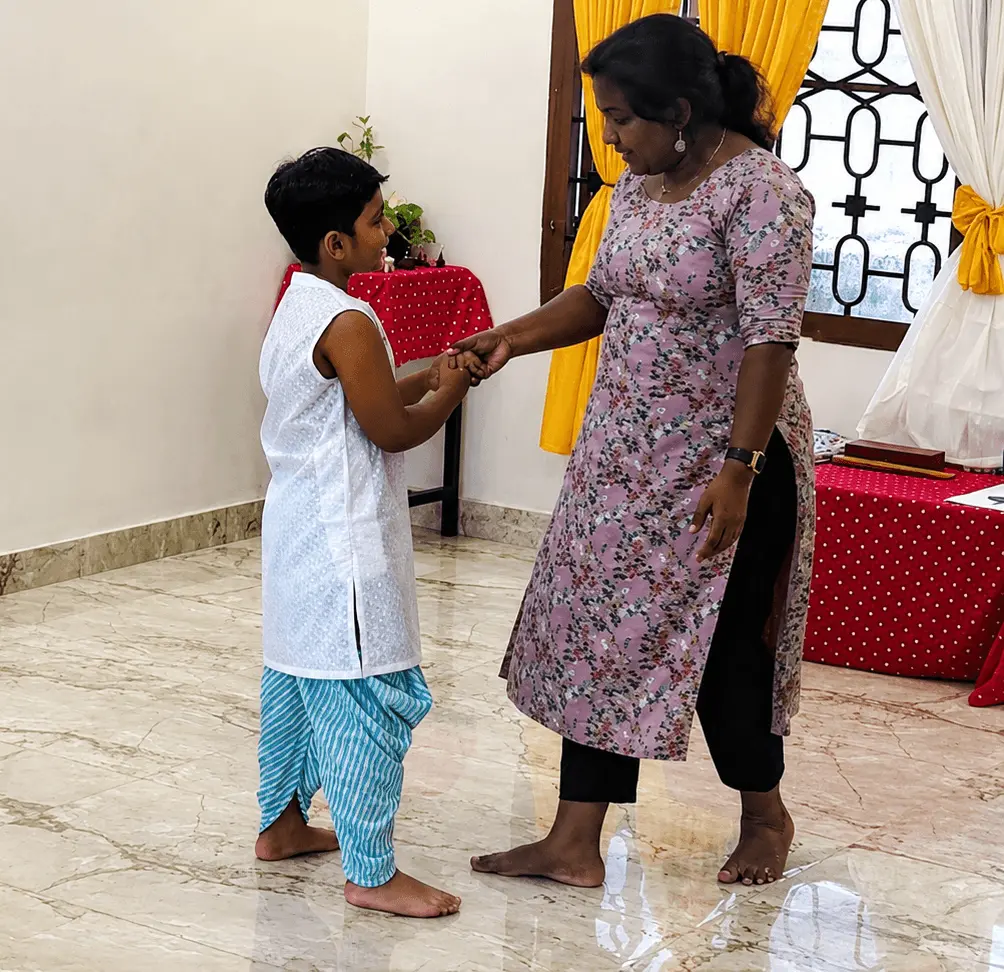
Hand movements and expressions practised in dance class
In the dance class, students practiced hand movements and expressions under guidance. With each correction and repetition, they slowly understood how every gesture tells a story.
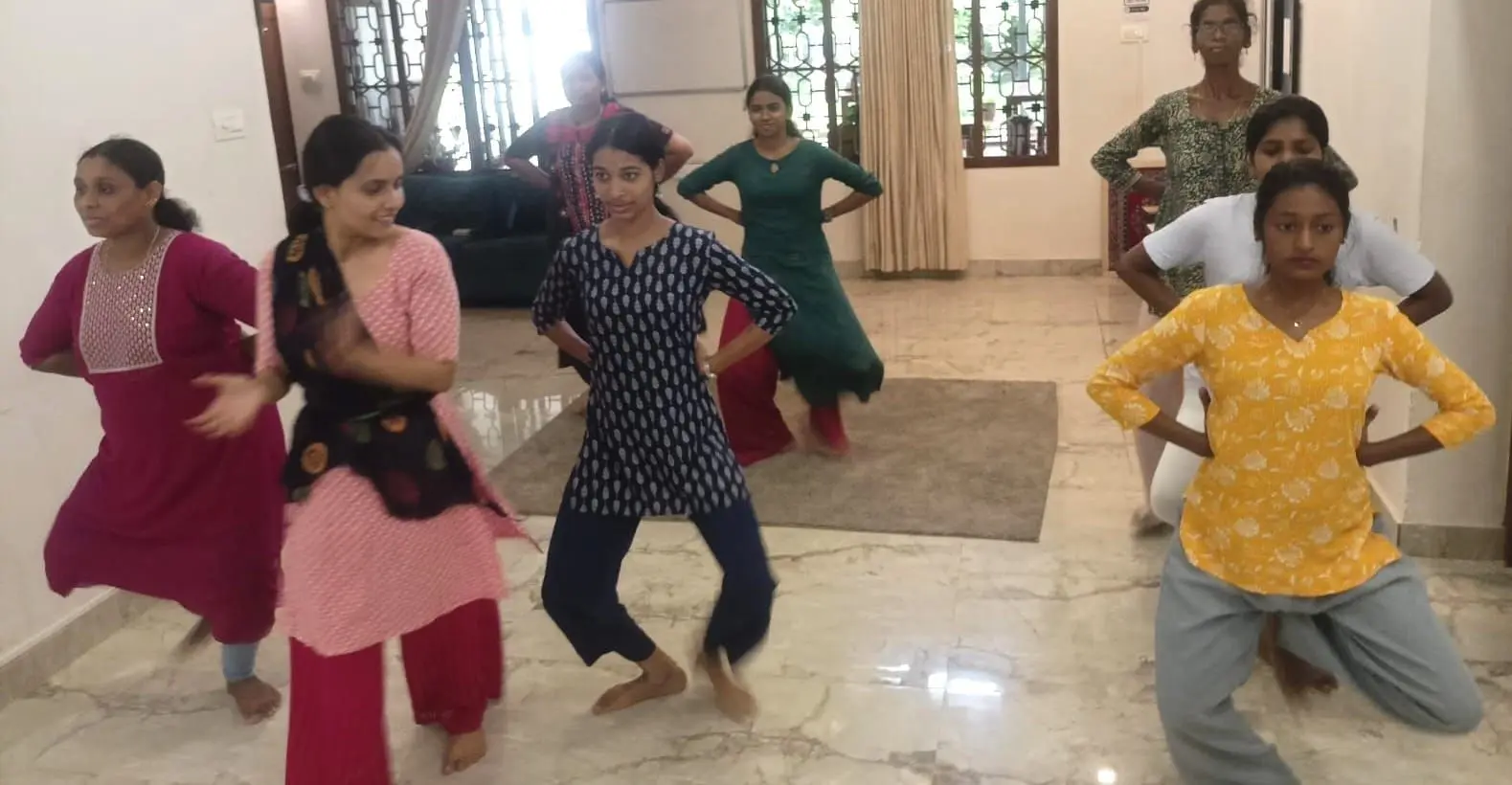
Steps and body movements drilled in the Bharatanatyam class
In the Bharatanatyam class, we practised together, focusing on basic steps and body movements. With guidance and repetition, each movement slowly became more confident and expressive, bringing the dance to life.
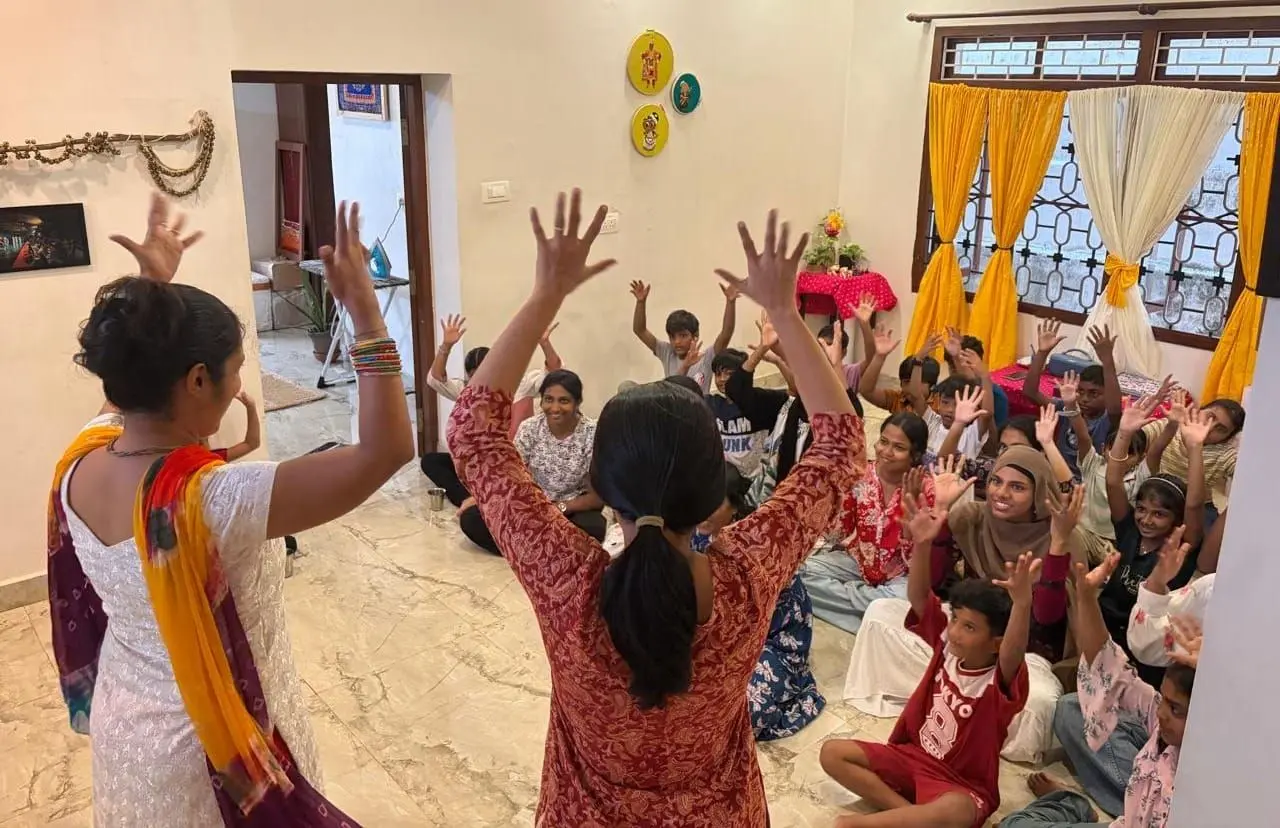
Expressions and gestures began to tell a story
The question turned into a moment of learning, as expressions, gestures, and small movements began to tell a story of their own.
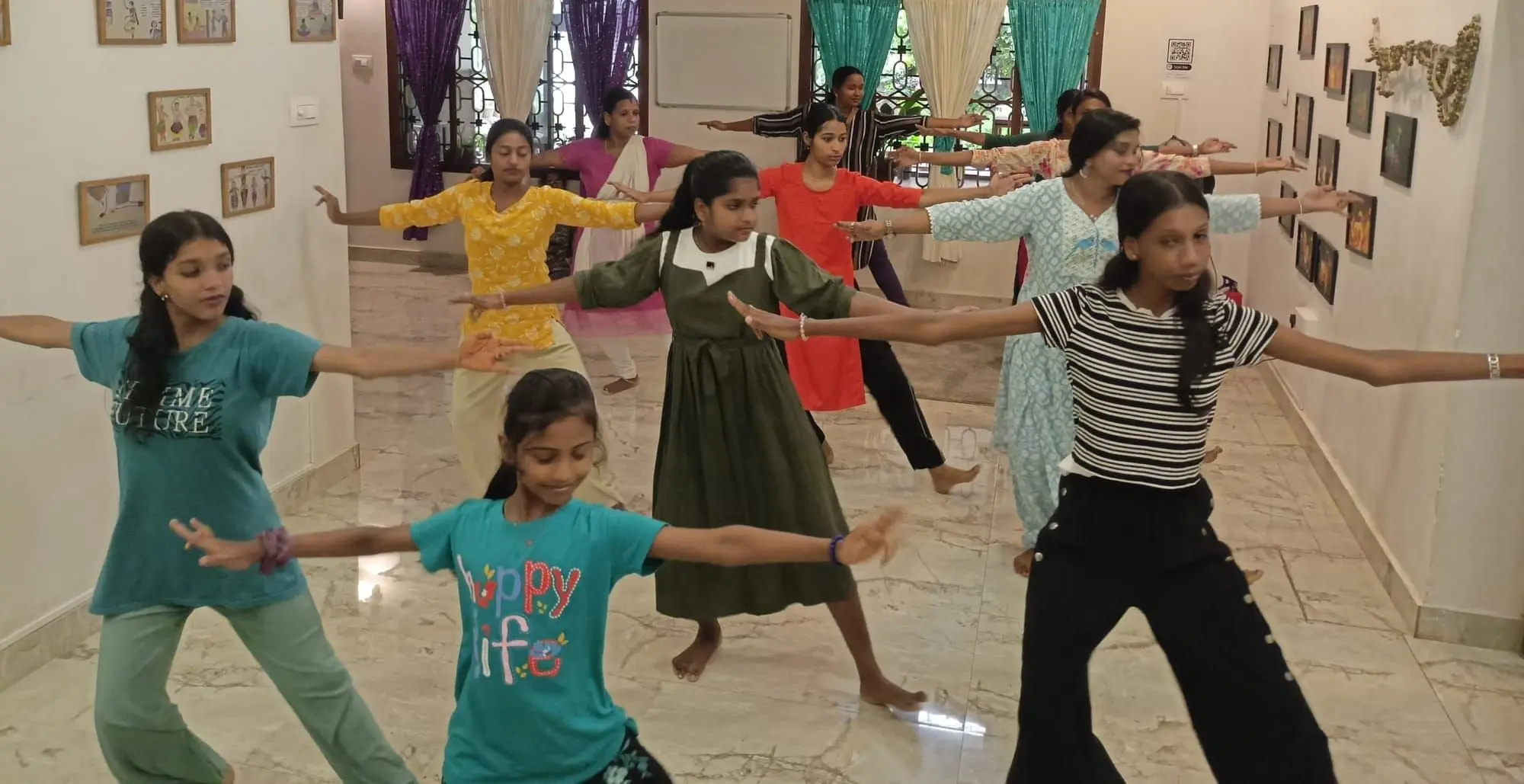
Community members practised basic Bharatanatyam steps
Community members attended Bharatanatyam classes on 14th March 2024. We learned basic steps and practised together with focus and consistency.
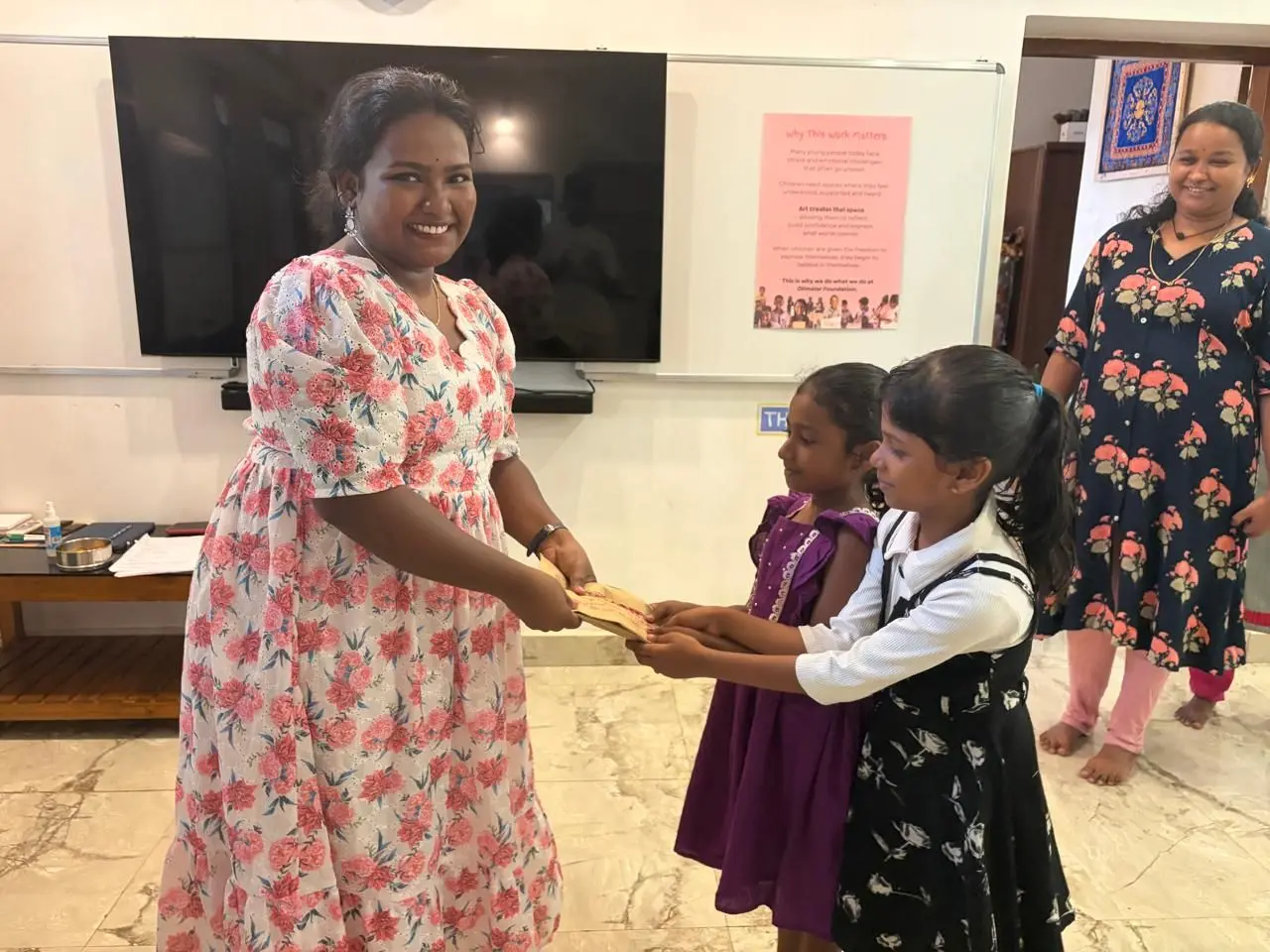
The dance faculty's birthday was celebrated after class
Community members attended Bharatanatyam classes on 14 March 2024. We learned basic steps with focus and consistency. We also celebrated the faculty’s birthday together.
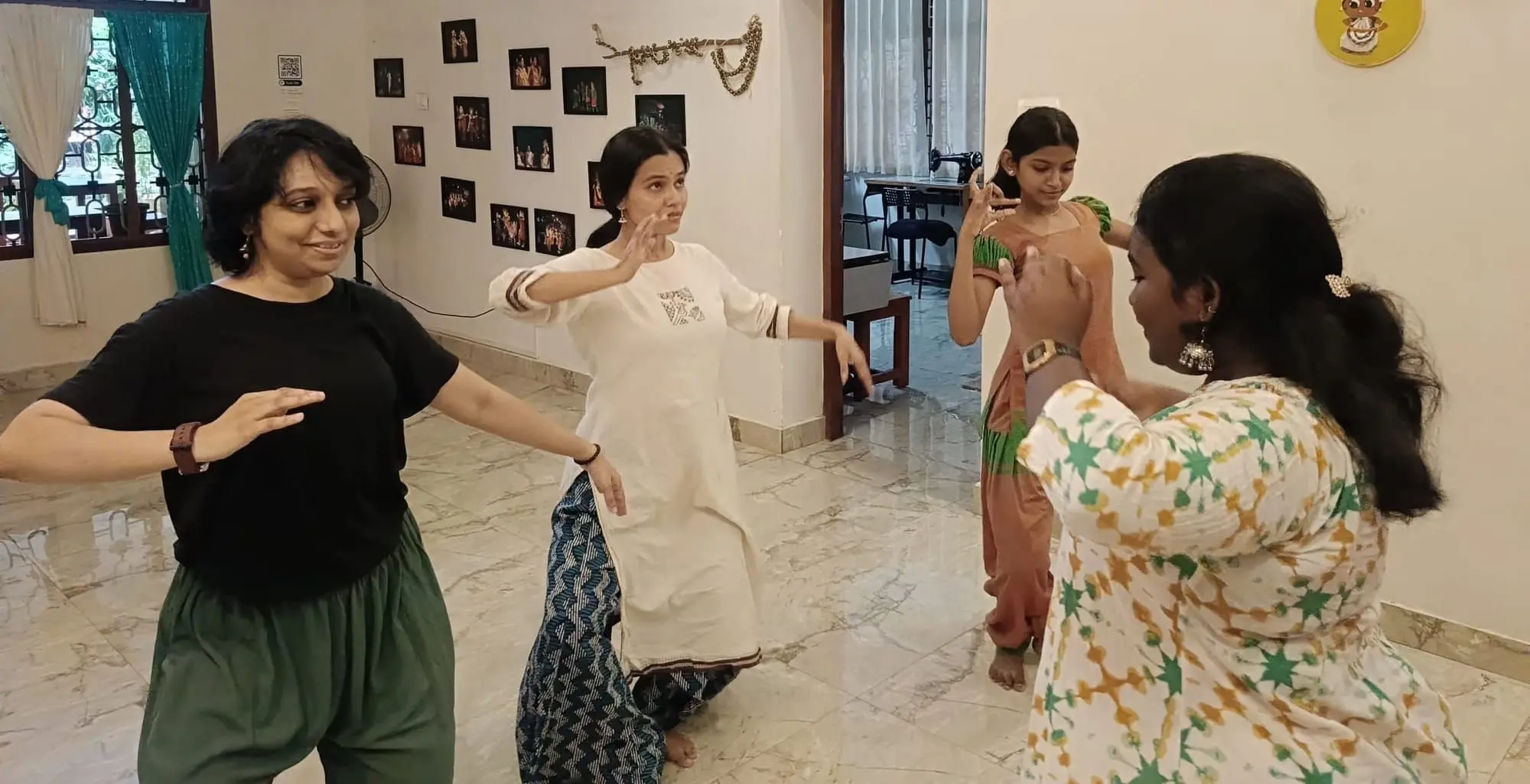
Acting and expression added to the Bharatanatyam lessons
We did acting and expression training as part of our Bharatanatyam lessons. We looked at how to show emotions and tell stories using faces and bodies.
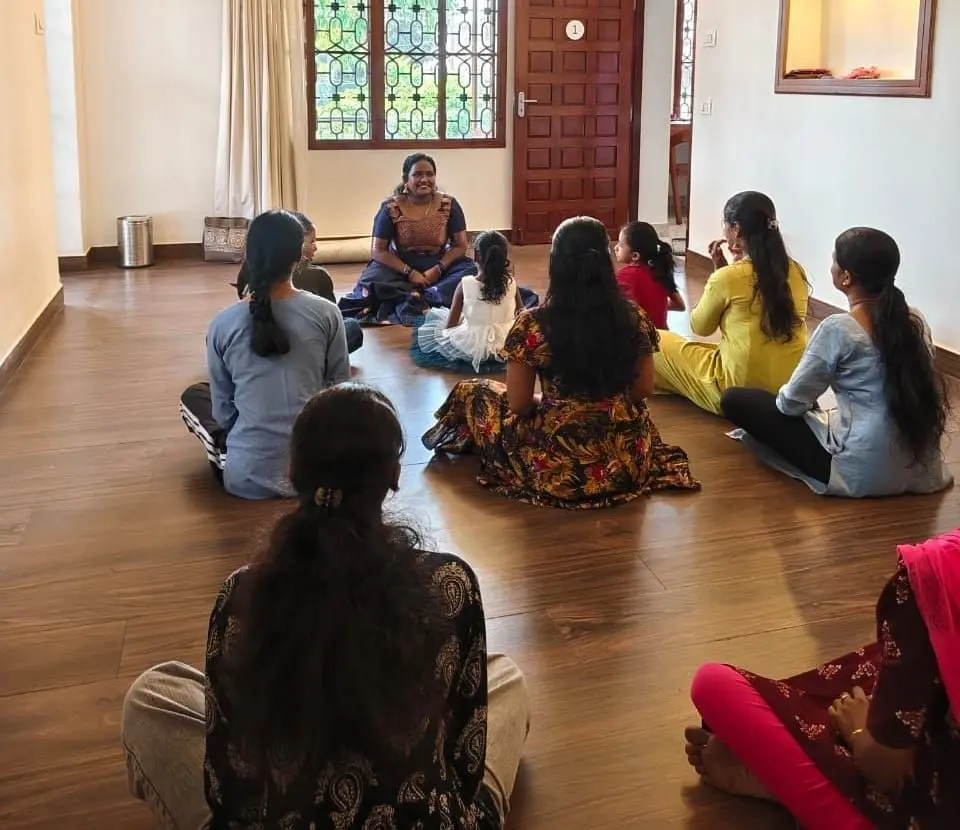
Twenty-five students finished a long Bharatanatyam session
25 students from Fort Kochi and Mattancherry came for Bharatanatyam classes, and by the end of a long, tiring yet beautiful session led by our esteemed faculty, Aparna.
- A fee-paying dance class started with the students — Saturday 2 May
Their story
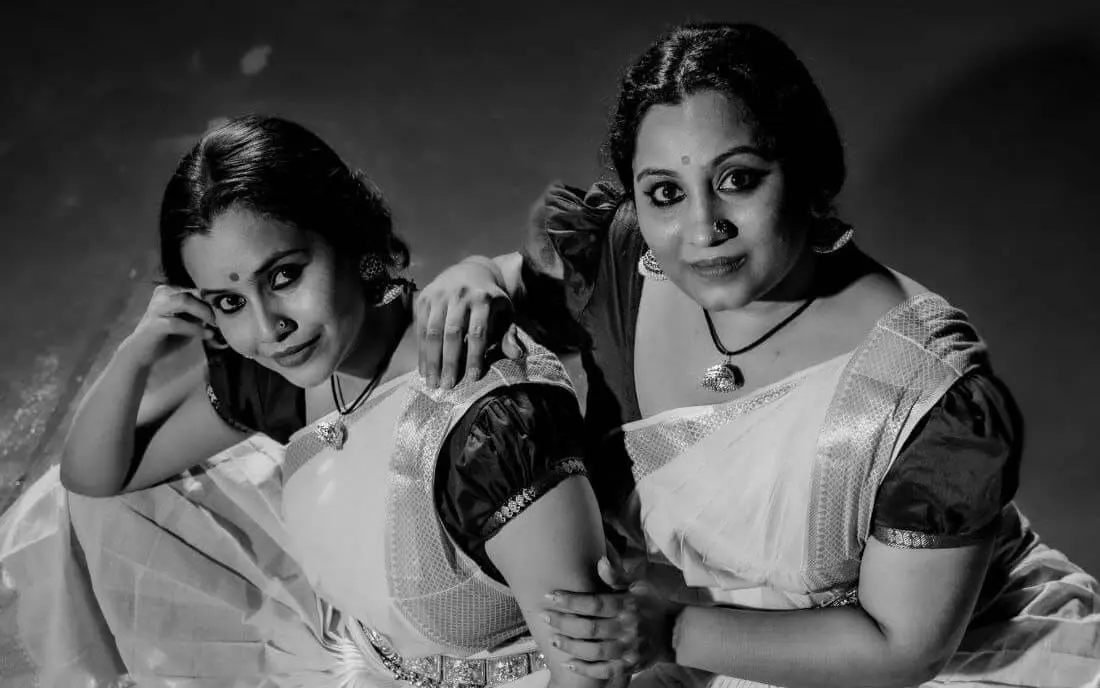
- Friends of Thudippu Edition 5: Bringing Daffumuttu and Arabana Muttu to Fort Kochi — Friday 11 September
What people said
One of the students
“I never thought I'd be able to dance at this age. I have great fun learning a new art form with my friends”